 Go Back

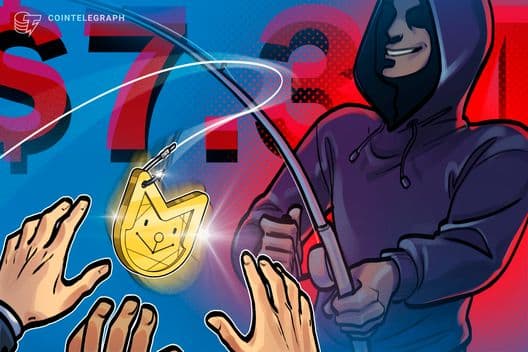
Exploring the $7.3M DxSale Exploit: Lessons for DeFi Security
Quick Take
| Key Facts |
|---|
| DxSale drained for $7.3 million |
| Affected platform: BNB Chain |
| Exploit raises concerns about DeFi security |
| Impacts liquidity providers and investors |

In a significant incident that highlights vulnerabilities within the decentralized finance (DeFi) ecosystem, DxSale has suffered an exploit resulting in a loss of approximately $7.3 million from liquidity providers on the BNB Chain. This unsettling event has rekindled discussions around the security of DeFi contracts, particularly legacy locker contracts that have been the backbone of numerous liquidity pools.
Market Context
The DeFi landscape has burgeoned over the last few years, with platforms like DxSale enabling developers to raise funds and create token sales seamlessly. However, the rapid growth has often outpaced regulatory frameworks and security measures, leaving investors exposed to risks that were previously unconsidered in traditional finance.
Historical Precedents
Historically, the DeFi sector has witnessed several high-profile hacks and exploits, raising alarm bells for investors and developers alike. The infamous $600 million hack of Poly Network in 2021, followed by numerous other incidents, has made it abundantly clear that while DeFi offers revolutionary potential, it also carries substantial risks. The $7.3 million drain from DxSale serves as a reminder that even established platforms are not immune to vulnerabilities.
The Role of Smart Contracts
Smart contracts, which automate transactions within DeFi, are often lauded for their transparency and efficiency. However, if poorly written or not audited thoroughly, they can become gateways for malicious actors. The incident with DxSale has drawn attention to the necessity of having rigorous auditing processes in place and highlights the importance of understanding the underlying technology before investing.
Impact on Investors
The recent exploit at DxSale could have profound implications for both liquidity providers and the broader DeFi market.
Trust Erosion and Investor Confidence
As incidents like these become more frequent, investor confidence is likely to wane. Many liquidity providers may rethink their strategies, opting to withdraw from DeFi projects, ultimately affecting liquidity levels across the ecosystem. A decline in investor trust can lead to a vicious cycle where reduced participation translates into less capital, thus making platforms more susceptible to further exploits.
Regulatory Scrutiny
In light of such incidents, regulators around the globe may intensify their scrutiny of DeFi projects. Increased regulations could lead to more stringent compliance requirements for platforms, affecting innovation but potentially providing a safer environment for investors. The balance between fostering innovation and ensuring security will become a critical point of discussion.
Moving Forward: Solutions and Recommendations
To mitigate risks and enhance security in the DeFi space, stakeholders must collaborate on best practices and proactive measures.
Auditing and Security Protocols
- Third-party Audits: All DeFi projects should undergo rigorous third-party audits before launching. This ensures that potential vulnerabilities are identified and remedied.
- Insurance Mechanisms: Implementing insurance protocols can provide a safety net for investors, compensating them in the event of an exploit.
Investor Education
- Awareness Programs: Investors should be educated about the risks associated with DeFi and the importance of doing thorough research before participating in projects.
- Transparency: Platforms should provide clear communication regarding security practices and the measures taken to protect investor assets.
Conclusion
The $7.3 million exploit of DxSale serves as a stark reminder of the vulnerabilities inherent in the DeFi ecosystem. As this sector continues to mature, the need for robust security measures, regulatory oversight, and investor education becomes increasingly critical. By learning from these incidents and taking proactive steps, the DeFi community can foster a safer and more resilient environment for all participants.
Tags
- DeFi
- DxSale
- BNB Chain
- Security
- Liquidity Providers