 Go Back

Enhancing Hybrid Meetings: Google Beam's New Experiment
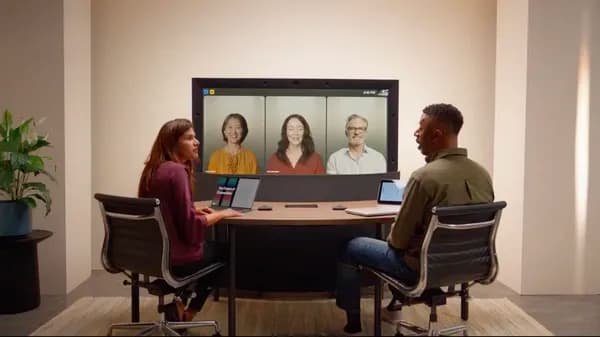
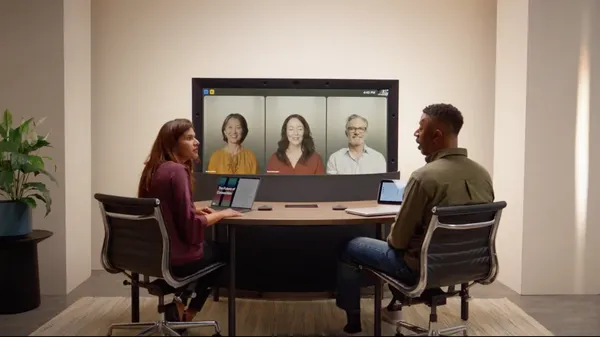
In a world where remote work and hybrid meetings have become the norm, Google is pushing the boundaries of connectivity with their latest innovation within Google Beam. This new experiment aims to create an immersive meeting experience that captures true-to-life size and sound, making virtual interactions feel more inclusive and connected. As organizations look to maintain productivity while navigating the complexities of remote work, Google's advancements in this space are particularly noteworthy.
Quick Take
| Feature | Benefit |
|---|---|
| True-to-life size | Enhances visual presence |
| Realistic sound | Improves auditory experience |
| Hybrid meeting focus | Supports inclusive collaboration |
| Collaborative features | Encourages team engagement |
| Innovative technology integration | Streamlines hybrid meeting experiences |
Market Context
The shift towards remote work has fundamentally changed the landscape of corporate communication. As businesses adapt to this new environment, technologies that facilitate effective virtual collaboration are in high demand. According to a report from Gartner, remote and hybrid work models will likely remain prevalent, with an estimated 74% of companies expecting to transition to a more permanent hybrid arrangement. This trend underscores the importance of tools that can enhance the virtual meeting experience.
Google Beam's innovation comes at a critical juncture. With companies struggling to ensure that remote employees feel included and engaged, the ability to create a more lifelike meeting experience could be a game-changer. By leveraging advanced technology to enhance visual and auditory elements of meetings, Google may help organizations bridge the gap between in-office and remote employees, fostering a more collaborative environment.
Impact on Investors
Investors are always keen to understand how innovations will affect the bottom line. Google’s focus on enhancing hybrid meetings could lead to new revenue streams. As businesses invest in technologies that improve remote engagement, companies like Google that are at the forefront of innovation stand to benefit significantly. The demand for solutions that enhance productivity in hybrid work settings is likely to grow, making Google’s advancements a compelling opportunity for stakeholders.
Moreover, as companies worldwide are recalibrating their strategies to adapt to the new normal, Google Beam's capabilities may prove essential for organizations looking to maintain a competitive edge. The potential for Google’s hybrid meeting solutions to attract new users and retain existing ones could bolster its market share in the communication technology sector.
The Future of Hybrid Meetings
As we look to the future of hybrid meetings, the question remains: how will companies like Google continue to innovate? The integration of artificial intelligence and machine learning into communication tools may lead to even more personalized and effective meeting experiences. Features such as automated note-taking, real-time translation, and advanced feedback mechanisms could enhance user engagement and satisfaction.
Furthermore, as organizations become more globalized, the need for inclusive meeting solutions that accommodate diverse teams will only increase. Companies that prioritize inclusivity and connectivity in their virtual interactions will not only improve employee morale but also drive productivity.
Conclusion
Google Beam's new experiment represents a significant step forward in the evolution of hybrid meetings. As organizations continue to adapt to the new normal, innovations that enhance communication will be crucial. By focusing on true-to-life interactions, Google aims to ensure that every employee, regardless of location, feels connected and valued. As we continue to navigate the complexities of remote work, tools like Google Beam may shape the future of corporate communication.
Tags
- Hybrid Meetings
- Google Beam
- Workplace Innovation
- Remote Work Technology
- Corporate Communication