 Go Back

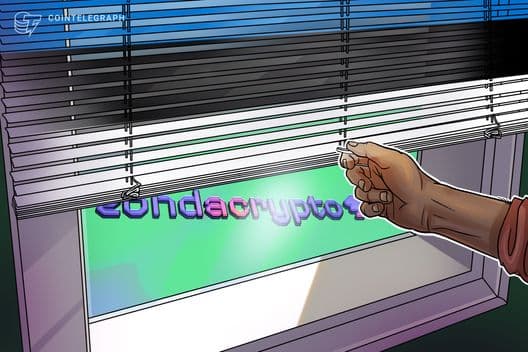
Estonia's Zondacrypto License Suspension: Impacts on Crypto Mining
The recent decision by Estonia’s Financial Intelligence Unit (FIU) to partially suspend the license of BB Trade Estonia OÜ, the operator of Zondacrypto, has sent ripples through the cryptocurrency landscape. With a 30-day window to address compliance issues, the case sheds light not just on regulatory challenges but also on the broader implications for the crypto mining industry.

Quick Take
| Aspect | Details |
|---|---|
| Regulatory Body | Estonian Financial Intelligence Unit (FIU) |
| License Type | Partial suspension for compliance issues |
| Operator | BB Trade Estonia OÜ (Zondacrypto) |
| Timeframe for Compliance | 30 days |
| Potential Outcome | Full revocation of license if unresolved |
What Led to the Suspension?
The Estonian FIU has been increasingly vigilant in monitoring cryptocurrency operators for compliance with anti-money laundering (AML) regulations. The FIU's decision to suspend Zondacrypto's license stems from the need for more stringent compliance checks in a sector often scrutinized for its potential misuse.
This move reflects a growing global trend towards regulatory oversight in the crypto space. Countries are realizing the necessity of balancing innovation with consumer protection and security. As more jurisdictions tighten their grip on cryptocurrency regulations, it raises pertinent questions about how these changes will affect operations, particularly in crypto mining.
Market Context
Estonia has developed a reputation as a blockchain-friendly nation, having embraced digital technology and cryptocurrency since the early days of Bitcoin. However, the recent developments signal a shift toward increased regulatory scrutiny that could discourage new investments in the sector.
The implications of this move extend far beyond Estonia. Countries around the world are observing how Estonia handles this situation, which could serve as a template for their own regulatory strategies. As a result, the global crypto market could experience increased volatility as investors react to regulatory news.
Impact on Investors
Investors in the cryptocurrency market are becoming increasingly attuned to regulatory developments. The suspension of Zondacrypto's license raises several key points for consideration:
- Regulatory Risks: Investors must assess the regulatory landscape where their crypto assets are held. Countries with strict compliance requirements may pose higher operational risks for exchanges and operators, directly affecting asset valuations.
- Market Volatility: The news may lead to short-term price fluctuations as market sentiment reacts to the uncertainty surrounding Zondacrypto's future. In times of regulatory upheaval, investors often adopt a wait-and-see approach, which can lead to a dip in trading volumes.
- Long-Term Viability: While stringent regulations may initially appear daunting, they can ultimately enhance the legitimacy of the market. Operators that comply with regulations may attract institutional investors who prefer lower-risk environments, thereby fostering long-term growth.
The Future of Crypto Mining in Regulatory Landscapes
The suspension of a license like Zondacrypto's serves as a stark reminder for those involved in crypto mining operations. As cryptocurrencies continue to gain traction, operators must navigate an increasingly complex regulatory landscape. For miners, this means:
- Emphasizing Compliance: Ensuring that operations comply with local laws and regulations is paramount. This may involve investing in legal counsel or compliance software.
- Assessing Operational Locations: Miners might consider relocating to jurisdictions with favorable regulatory environments. Countries that have yet to impose strict regulations could become more attractive.
- Staying Informed: Keeping abreast of regulatory news is essential. Mining operations should have a clear understanding of potential legislative changes that could affect their business model.
In conclusion, the partial suspension of Zondacrypto's license is a microcosm of the evolving regulatory landscape in the cryptocurrency market. As countries around the world grapple with how to properly regulate this burgeoning industry, those involved in crypto mining must remain agile and informed to navigate potential risks and seize opportunities.
Final Thoughts
The cryptocurrency industry is at a crossroads where innovation and regulation must find a balance. The actions taken by Estonia could very well influence how other nations approach cryptocurrency regulation in the future, setting precedents that will shape the industry's long-term viability. Whether you are an investor or a miner, understanding these dynamics will be crucial in the coming years.