 Go Back


Ether Dips Below $2,000: What Record Futures Open Interest Means
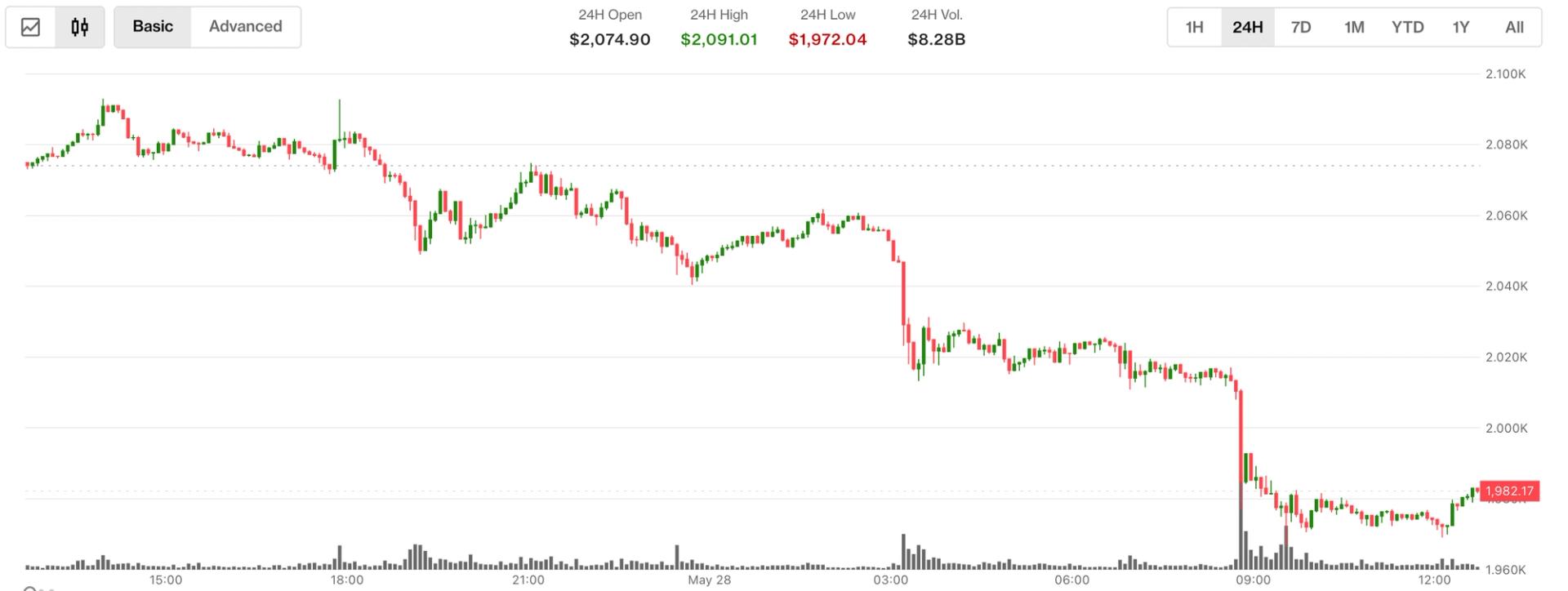
The cryptocurrency market is no stranger to volatility, but recent trends in Ether (ETH) are particularly noteworthy. As Ether has slid below the $2,000 mark, futures open interest has simultaneously surged to a record high of 16 million ETH. This divergence raises crucial questions about market sentiment and potential future movements.
Quick Take
| Metric | Value |
|---|---|
| Current Ether Price | Below $2,000 |
| Futures Open Interest | 16 million ETH |
| Market Sentiment | Aggressive shorting |
Understanding the Market Context
The current decrease in Ether's price can be attributed to various factors. Market analysts suggest that the ongoing selling pressure is a reaction to macroeconomic indicators that have led to increased risk aversion among investors. Traditional economic challenges, such as inflation rates and interest hikes, have translated into the cryptocurrency space, causing many to reassess their positions.
This environment often leads to panic selling, and with Ether falling below the psychological barrier of $2,000, traders are understandably concerned. It’s important to note that such price thresholds are not merely numeric; they hold significant psychological weight in the trading community.
On the other hand, the record high in futures open interest indicates growing engagement from traders betting on future price movements. This is particularly interesting because it suggests that even amid the price drop, traders are willing to commit capital to Ether derivatives. This is often interpreted as a sign of confidence in the long-term prospects of Ether, despite short-term bearish trends.
The Divergence: Eth Price vs. Futures Open Interest
The contrast between Ether's plummeting price and the spike in futures open interest is a classic case of divergence that can signal various scenarios for the cryptocurrency market:
- Increased Shorting: The rise in open interest could indicate a surge in bearish sentiment, with traders aggressively shorting Ether in anticipation of further declines. This behavior typically leads to higher volatility, as large short positions can create a squeeze if the market reverses and prices begin to rise.
- Hedging Strategy: Some traders may be using futures contracts to hedge against their existing positions in Ether. This could mean that while they expect short-term declines, they remain bullish on the long-term potential of the asset, thus maintaining a position in the futures market.
- Market Speculation: The futures market often attracts speculators looking to capitalize on price movements, regardless of the underlying asset’s direction. High open interest can lead to misleading conclusions if driven primarily by speculative trading.
Historical Context
Historically, the cryptocurrency market has shown a pattern where price drops are met with increased interest in derivatives. The significant open interest in futures can sometimes foreshadow upcoming volatility. During the 2018 bear market, for example, similar divergences were observed, leading to significant price fluctuations in both directions.
In contrast, when prices rise, open interest often follows suit as traders jump in to ride the upward wave. Understanding these historical patterns helps investors calibrate their strategies accordingly, recognizing that the current decline in Ether might be temporary given the high futures engagement.
Impact on Investors
For investors, this situation presents both risks and opportunities. Here are several key takeaways:
- Volatility Ahead: Investors should brace for potential volatility as the market navigates through these diverging trends. Those holding long positions in Ether may need to consider stop-loss measures or hedging strategies to mitigate risk.
- Strategic Entry Points: Conversely, aggressive traders may find this drop an attractive entry point, particularly if they align with the bullish long-term outlook suggested by the record futures open interest.
- Monitor Market Sentiment: Keeping an eye on broader market sentiment and macroeconomic indicators will be crucial. If the selling pressure continues, it could signal deeper market corrections, while a reversal could indicate a buying opportunity.
Conclusion: Navigating a Complex Landscape
As Ether drops below a critical threshold while futures open interest peaks, the market is clearly at a crossroads. While this divergence can signal increased shorting sentiment, it also opens discussions about long-term confidence in Ether’s value. Investors must navigate these complexities carefully, weighing immediate price movements against broader economic indicators and historical trends in the crypto space.
In this dynamic environment, staying informed and adaptable will be key for investors looking to capitalize on future developments in the Ethereum ecosystem.