 Go Back


Quick Take
| Metric | Value |
|---|---|
| Ethereum (ETH) Change | -1% |
| Cronos (CRO) Change | -1.4% |
| Market Context | Trading lower overall |
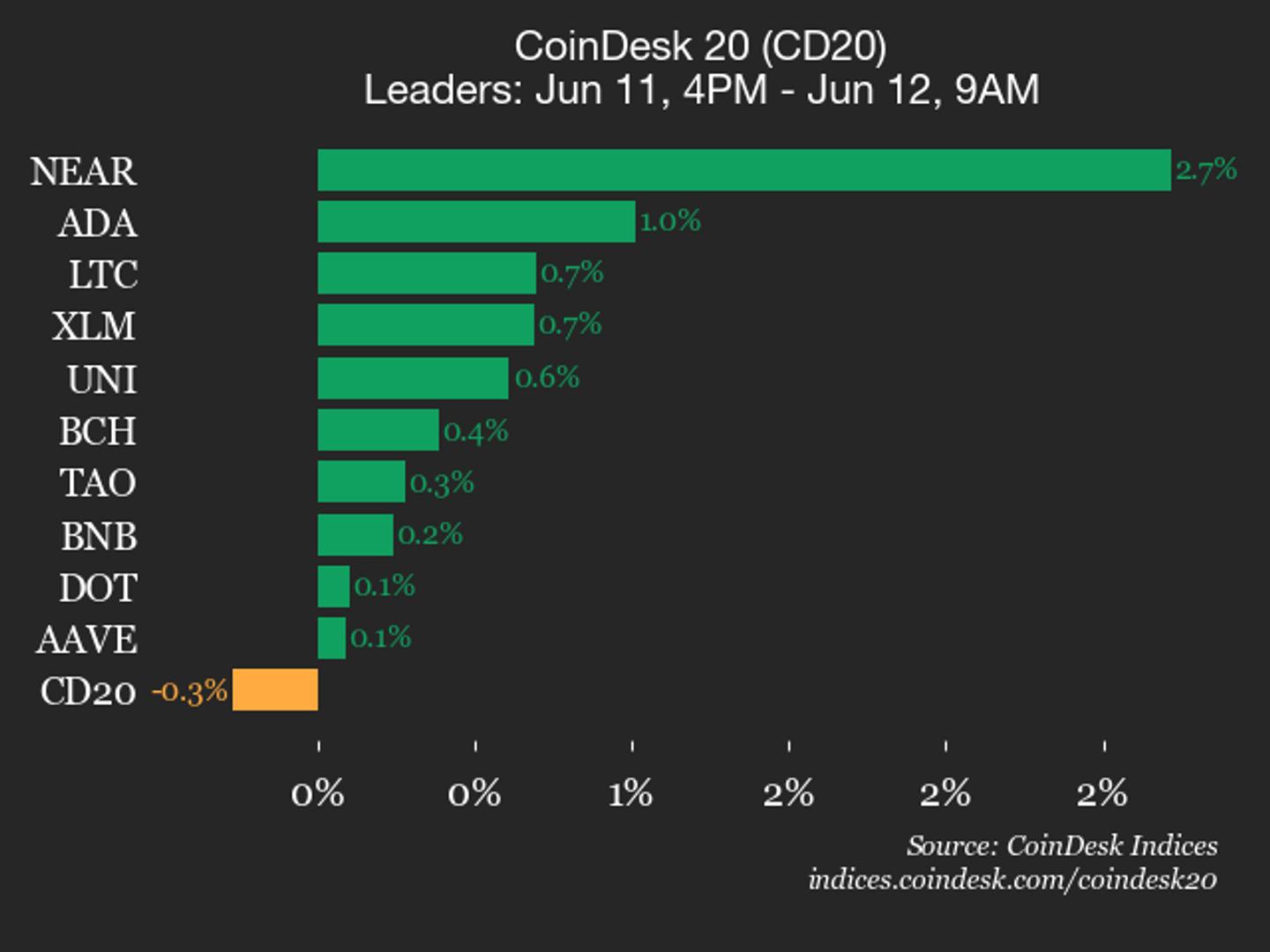
What’s Happening with Ethereum?
Recent data from CoinDesk indicates a slight decline in Ethereum’s value, with the cryptocurrency falling by 1% alongside the broader index performance. This dip, while seemingly minor, raises important questions for current and prospective investors in the cryptocurrency space.
Market Context
To understand the implications of Ethereum’s performance, we must consider the broader economic environment. The cryptocurrency market is often influenced by a variety of macroeconomic factors, including inflation rates, interest rates, and overall investor sentiment.
As central banks around the world grapple with inflation, the tightening of monetary policies has created an environment of uncertainty in equity and crypto markets alike. Investors are becoming increasingly cautious, leading to lower trading volumes and reduced volatility in major cryptocurrencies like Ethereum (ETH).
Additionally, the recent lack of positive news surrounding regulations and institutional adoption can also contribute to bearish sentiment. With Ethereum being a leading altcoin, its performance can serve as an indicator for the overall health of the crypto market.
The Impacts on Investors
Short-Term Investors
For those engaged in short-term trading, the current market conditions may signal caution. The 1% decline, while not alarming, reflects a general trend of stagnation. Short-term investors might need to adjust their trading strategies to account for these subtle shifts in momentum. Many are likely shifting towards stablecoins, seeking safety until the market demonstrates a clearer direction.
Long-Term Investors
Long-term investors, however, may view this decline as a buying opportunity. The fluctuations in price can often lead to favorable entry points for those looking to accumulate assets. Ethereum's underlying technology and its potential use cases in decentralized finance (DeFi) and non-fungible tokens (NFTs) remain robust. Historical data shows that periods of consolidation often precede market recovery and growth.
Psychological Factors
Market psychology plays a critical role in investor decisions. Emotional reactions to market movements can lead to panic selling or euphoria during rallies. As Ethereum’s price fluctuates, understanding these psychological triggers becomes vital. Long-term investors should stay grounded and avoid making impulsive decisions based on short-term performance.
Future Predictions for Ethereum
Looking ahead, several factors could influence Ethereum's trajectory in the coming months:
- Technological Advancements: The upcoming updates and transitions, particularly Ethereum 2.0, promise enhancements in scalability and energy efficiency. These improvements could draw more users and increase demand.
- Regulatory Clarity: Positive developments in cryptocurrency regulations could stabilize the market, leading to renewed confidence among investors. The clarity on tax laws and institutional involvement will be crucial in shaping Ethereum's future.
- Market Sentiment: As the macroeconomic landscape evolves, so too will investor confidence. A shift in sentiment toward risk assets may revive interest in Ethereum, pushing prices higher.
Conclusion
Ethereum’s recent downturn serves as a reminder of the volatility inherent in the cryptocurrency market. Investors must remain vigilant and informed about macroeconomic trends while also understanding the psychological factors that can influence their decisions. As the market adapts, those who can navigate these complexities may find themselves well-positioned for future gains. The question is not merely about today’s prices but rather understanding Ethereum’s potential in the long run amid an ever-changing economic backdrop.
Tags
- Ethereum
- Crypto Market Analysis
- Long-term Investment
- Market Psychology
- Macroeconomic Trends