 Go Back


Quick Take
| Date | Predicted Ethereum Price | Key Factors Affecting Price |
|---|---|---|
| June 18, 2026 | $X,XXX | DeFi growth, market sentiment, regulatory frameworks |
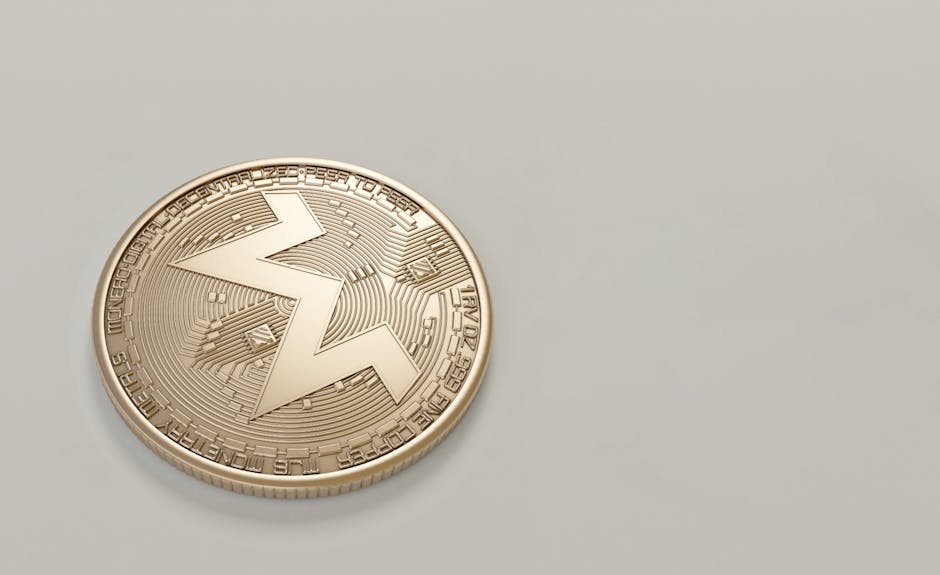
The cryptocurrency landscape is a surprisingly complex ecosystem, with various factors influencing the price of assets such as Ethereum. As we look towards June 18, 2026, market analysts are focusing on macroeconomic factors that could play a critical role in determining the future price of Ethereum. This article will delve into current predictions, historical contexts, and potential future scenarios for Ethereum, providing a robust analysis for investors and enthusiasts alike.
Market Context
Historical Price Trends
Ethereum, launched in 2015, has shown remarkable volatility over the years. Its price has been influenced by several factors, including technological advancements, regulatory developments, and broader macroeconomic trends. For instance:
- In 2017, Ethereum surged from around $8 to over $1,400, largely due to the ICO boom and increased adoption.
- In early 2021, it reached new heights of over $4,000, driven by the DeFi explosion and institutional investments.
Current Market Dynamics
As of now, Ethereum is regarded not just as a cryptocurrency but as a platform for decentralized applications (dApps) and smart contracts. This dual functionality gives it a unique position in the market. Key dynamics influencing Ethereum's price include:
- DeFi Growth: The decentralized finance sector continues to expand, attracting institutional and retail investors alike.
- NFT Popularity: The rise of non-fungible tokens has further entrenched Ethereum's utility, as most NFTs are minted on the Ethereum blockchain.
- Technical Upgrades: Recent upgrades, such as Ethereum 2.0, are transitioning the network from a proof-of-work to a proof-of-stake model, which aims to improve scalability and energy efficiency.
Impact on Investors
Long-Term Investment Potential
Investors looking towards 2026 must consider the broader economic landscape. Factors such as inflation rates, global monetary policy, and technological advancements will significantly impact Ethereum's price trajectory. Key considerations include:
- Inflation and Currency Debasement: As central banks around the world engage in expansive monetary policies, cryptocurrencies like Ethereum may be viewed as a hedge against inflation.
- Institutional Adoption: Increased participation from institutional investors, driven by the search for alternative assets, can lead to substantial price increases.
- Regulatory Environment: The regulatory landscape is evolving. Favorable regulations can bolster investor confidence, while restrictive frameworks may hinder growth.
Risk Management Strategies
Investors should also be mindful of the inherent risks associated with cryptocurrency investments:
- Market Volatility: The price of Ethereum can fluctuate dramatically, making it essential to have a clear investment strategy.
- Technological Risks: As Ethereum continues to evolve, there are risks related to smart contract vulnerabilities and network security.
- Regulatory Risks: Changes in regulations could impact Ethereum's usability and, consequently, its price.
Conclusion
While it is impossible to predict with certainty the exact price of Ethereum on June 18, 2026, understanding the macroeconomic context and the various factors at play can provide valuable insights. As the cryptocurrency ecosystem continues to mature, investors should stay informed and adaptable to navigate the complexities of this dynamic market.
Looking Ahead
As we approach 2026, monitoring the ongoing developments in both the Ethereum ecosystem and the broader financial landscape will be crucial. Whether you are a long-term holder or a potential investor, understanding these factors will enable informed decision-making in a landscape that remains as unpredictable as it is exciting.
Tags
- Ethereum
- Cryptocurrency
- DeFi
- Blockchain
- Investment Strategy