 Go Back


Analyzing Ethereum's Stablecoin Impact Amidst Price Fluctuations
The cryptocurrency market has witnessed significant volatility, particularly with Ethereum and its associated stablecoins. Recently, Ethereum's price dip has sparked discussions about stablecoins and their evolving role within the crypto ecosystem. Understanding this shift is crucial for investors and market participants alike.
Quick Take
| Aspect | Details |
|---|---|
| Current Ethereum Price | [INPUT_CURRENT_PRICE] |
| Market Cap of Stablecoins | [INPUT_STABLECOIN_MARKET_CAP] |
| Recent Price Drop | [INPUT_PRICE_DROP_DETAILS] |
| Key Factors Influencing Shift | Regulatory scrutiny, market demand, and macroeconomic trends |
| Investor Implications | Diversification, risk assessment, and market entry strategies |
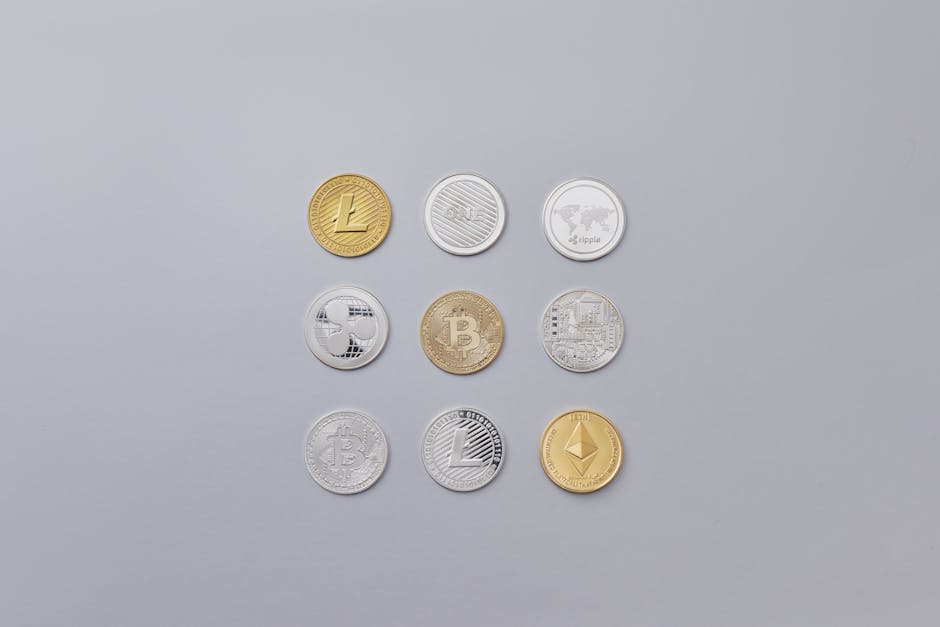
The Role of Stablecoins in the Crypto Ecosystem
Ethereum has positioned itself as a leading platform for stablecoin development. Stablecoins, which are pegged to traditional currencies or assets, aim to provide stability amidst the notorious volatility of cryptocurrencies like Bitcoin and Ethereum. The recent price drop of Ethereum has prompted a reevaluation of these digital assets and their significance in the broader market landscape.
Historical Context and Price Dynamics
Ethereum's journey began in 2015, and since then, it has evolved into a robust blockchain platform supporting various decentralized applications (dApps) and financial services. Stablecoins such as Tether (USDT), USD Coin (USDC), and DAI have flourished on Ethereum, leveraging its smart contract capabilities.
The correlation between Ethereum’s price movements and stablecoin usage is noteworthy. Generally, when Ethereum drops in price, investors often flock to stablecoins, seeking refuge from market volatility. This behavior was evident during the latest price fluctuations, where Ethereum’s dip led to an uptick in stablecoin transactions and liquidity.
Market Context
The macroeconomic landscape plays a pivotal role in influencing cryptocurrency prices and investor sentiment. Factors such as interest rates, inflation rates, and geopolitical tensions affect not only traditional markets but also the cryptocurrency space. Investors are increasingly wary, leading to a flight to safety, which in the context of crypto, often means moving assets into stablecoins.
Regulatory Scrutiny and Its Impact
Additionally, regulatory scrutiny has intensified on stablecoins and cryptocurrencies in general. Governments around the world are assessing how to manage and regulate these digital assets. This evolving regulatory framework can significantly impact stablecoin dynamics. For example, if stringent regulations emerge, they may hinder the growth of stablecoins or alter their operational frameworks, influencing investor confidence.
Impact on Investors
Investors are now faced with the challenge of understanding the implications of these market shifts. Here are some key considerations:
1. Diversification Strategies
With Ethereum’s price volatility, investors are increasingly looking to diversify their portfolios. Stablecoins offer a hedge against market downturns, providing liquidity and opportunities for yield generation through staking and lending platforms.
2. Risk Assessment
Understanding the risks associated with stablecoins is crucial. While they are designed to maintain value, factors such as liquidity issues, counterparty risks, and regulatory changes can affect their stability. Investors should perform due diligence and stay informed about market trends and regulatory developments.
3. Timing Market Entries
The fluctuations in Ethereum’s price may create potential entry points for investors. Observing stablecoin dynamics can help identify when to invest back into Ethereum or diversify further into stablecoins. The recent price drop may signal a buying opportunity, but careful analysis is warranted.
Future Predictions
Looking ahead, the landscape of Ethereum and stablecoins will likely evolve further. As technologies and regulations develop, stablecoins may play an increasingly integral role in mainstream finance. The integration of digital assets into traditional banking systems could foster greater stability and utility for cryptocurrencies.
Conclusion
As Ethereum experiences price drops and macroeconomic influences shape market sentiment, the role of stablecoins is becoming more prominent. For investors, understanding these dynamics is essential for navigating the complexities of the crypto market. With continuous developments on regulatory, technological, and market fronts, the future of Ethereum and its stablecoins will undoubtedly present both challenges and opportunities.