 Go Back


Ethereum's Struggles: Analyzing Current Trends and Future Outlook
Quick Take
| Key Insights | Details |
|---|---|
| Current Market Position | Ethereum is the only top-10 crypto down this week |
| Price Movement | ETH has faced significant volatility |
| Market Context | Macro factors and competition impact ETH prices |
| Future Predictions | Potential recovery trends amidst global shifts |
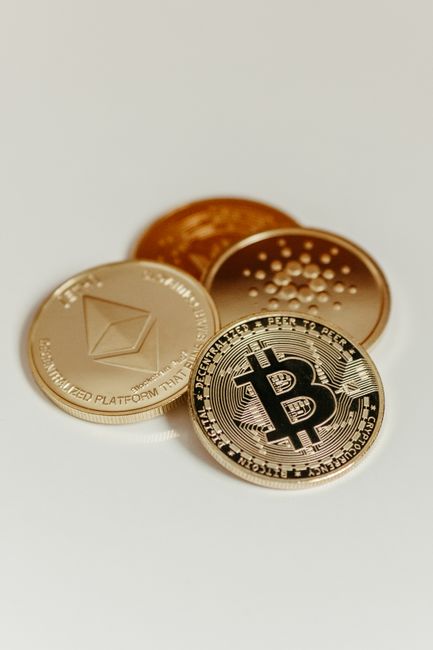
Ethereum (ETH), a cornerstone of the cryptocurrency ecosystem, has recently found itself in a precarious position. As the only top-10 cryptocurrency experiencing a downturn this week, analysts are scrutinizing the underlying factors affecting its performance. This analysis will delve into the current market context, the implications for investors, and potential future trends for Ethereum within the broader economic landscape.
Current Market Context
The cryptocurrency market is often influenced by a multitude of factors, ranging from macroeconomic conditions to investor sentiment. Recent fluctuations in the global economy, particularly with inflation fears and interest rate adjustments, have prompted a reevaluation of risk assets, including cryptocurrencies.
Ethereum's decline is particularly notable as other major cryptocurrencies, including Bitcoin and Binance Coin, have shown resilience. This divergence raises questions about Ethereum's market position and long-term viability. Several factors may contribute to this disparity:
- Regulatory Scrutiny: Ethereum's shift from a proof-of-work to a proof-of-stake model has drawn attention from regulators, particularly in the context of securities classification. Uncertainty in regulatory frameworks can deter investment.
- Technical Challenges: Ethereum has been facing scalability issues, with its network being criticized for high transaction fees and slow processing times during peak usage. These performance bottlenecks can diminish user experience and deter developers from building on the platform.
- Competition: The rise of alternative smart contract platforms such as Solana, Cardano, and Avalanche has intensified the competition. These platforms offer faster transaction speeds and lower fees, making them appealing alternatives for developers and users.
SWOT Analysis of Ethereum
To better understand Ethereum's current situation, a SWOT analysis provides clarity on its strengths, weaknesses, opportunities, and threats.
Strengths
- Established Ecosystem: Ethereum boasts the largest ecosystem of decentralized applications (dApps) and decentralized finance (DeFi) projects, providing a robust user base.
- Developer Community: A strong developer network constantly innovates and adapts the platform, contributing to its ongoing evolution.
- Market Liquidity: Being one of the top cryptocurrencies, Ethereum enjoys significant liquidity, making it easier for investors to buy and sell.
Weaknesses
- High Fees: Users often experience high transaction costs, especially during network congestion, leading to frustration and a potential exodus to other platforms.
- Scalability Issues: The Ethereum network struggles to handle high transaction volumes compared to its competitors, which can impact user experience.
Opportunities
- Transition to Ethereum 2.0: The ongoing transition to a proof-of-stake consensus mechanism presents opportunities for scalability and efficiency improvements, potentially attracting new users and developers.
- Growing Institutional Interest: As institutional adoption of cryptocurrencies increases, Ethereum could benefit significantly, especially with products like Ethereum ETFs.
Threats
- Regulatory Environment: The evolving regulatory landscape poses a significant threat, particularly if Ethereum is classified as a security, which could impose strict regulations.
- Technological Competition: Emerging blockchain technologies that offer better performance and lower costs could siphon off users and developers from Ethereum.
Impact on Investors
For current and potential investors, Ethereum's recent struggles highlight the importance of understanding the underlying factors that drive cryptocurrency prices. With the market still in a state of flux, those investing in Ethereum should consider:
- Volatility: Ethereum's price can be highly volatile, and investors need to be prepared for significant fluctuations.
- Long-term Potential: Despite recent setbacks, Ethereum's fundamentals, including its active developer community and upcoming technological upgrades, suggest long-term growth potential.
- Diversification: Investors might consider diversifying their portfolios to mitigate risks associated with Ethereum's price movements.
Future Outlook
While Ethereum faces challenges, the potential for recovery exists, particularly as it continues to evolve with its transition to Ethereum 2.0 and improves its technological offerings. Given the current macroeconomic landscape, investors should remain vigilant and informed, keeping an eye on both macroeconomic indicators and developments within the Ethereum ecosystem.
As the cryptocurrency market continues to mature, Ethereum's ability to adapt and innovate will be crucial in determining its long-term success. Whether it can regain its competitive edge and attract new users amidst growing competition remains to be seen, but its foundational role in the DeFi and broader crypto space positions it favorably for future developments.