 Go Back

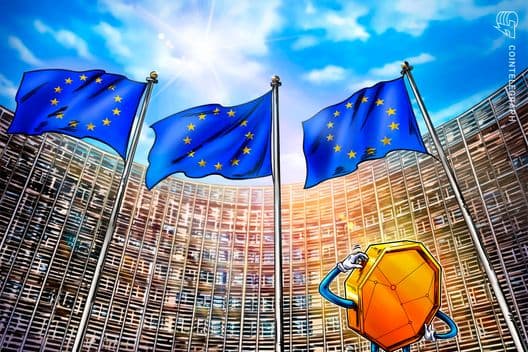
EU Proposes Ban on 11 Crypto Platforms Amid Russia Sanctions
The European Union is taking a decisive step in its ongoing sanctions regime against Russia by proposing a ban on 11 cryptocurrency platforms. This move comes as part of a broader strategy to tighten restrictions on networks suspected of facilitating Russia's efforts to evade these sanctions. Such measures not only underscore the EU's commitment to its geopolitical objectives but also signal a significant moment for the global cryptocurrency landscape.

Quick Take
| Proposed Action | Details |
|---|---|
| Platforms Affected | 11 crypto exchanges and platforms associated with Russia |
| Purpose | To prevent evasion of EU sanctions against Russia |
| Broader Context | Part of an ongoing effort to tighten sanctions globally |
Historical Context of Sanctions and Cryptocurrency
The relationship between sanctions and cryptocurrency has been evolving, particularly since the onset of geopolitical tensions in Eastern Europe. Historically, sanctions have targeted financial institutions and industries; however, the rise of decentralized finance (DeFi) has introduced complex dynamics into the enforcement of these sanctions.
Cryptocurrencies offer a degree of anonymity and borderless transactions, making them an attractive tool for entities seeking to circumvent traditional financial systems. The EU's latest proposal is a direct acknowledgment of these challenges and an effort to close loopholes that could potentially undermine the effectiveness of sanctions against nations like Russia.
Market Context
The EU's proposed ban could have several ramifications for the cryptocurrency market.
Increased Regulatory Scrutiny: As governments strive to maintain control over financial systems, we are likely to see heightened scrutiny of cryptocurrency platforms. This can lead to stricter compliance requirements and the necessity for exchanges to adopt more robust KYC (Know Your Customer) protocols.
Market Volatility: The announcement of sanctions can create significant volatility in the crypto markets. Traders often react swiftly to news of regulatory changes, leading to sharp price movements. The proposal may induce caution among investors, especially those with exposure to platforms under scrutiny.
Shift in Market Dynamics: Platforms that remain unscathed by the sanctions may experience an influx of users seeking alternatives to those facing bans. This reallocation of users could create opportunities for emerging crypto exchanges, especially those not tied to the EU or Russian jurisdictions.
Impact on Investors
For investors, the implications of the EU's sanctions proposal are multifaceted and warrant careful consideration:
Risk Management: Investors should assess their exposure to affected platforms and consider diversifying their holdings. Understanding which platforms are compliant with regulatory standards will be crucial for mitigating risks.
Long-Term Outlook: While immediate reactions may lead to volatility, the long-term ramifications of such regulatory measures could stabilize the market as clearer frameworks emerge. Investors should keep an eye on how other jurisdictions respond to EU's actions, as global regulatory harmonization may soon follow.
Innovation and Adaptation: Regulatory pressures often spur innovation in the crypto space. Investors might find opportunities in projects that develop compliant solutions for digital asset transactions, effectively navigating the new landscape of regulations.
Conclusion: A Pivotal Moment for Crypto Regulation
The EU's proposed ban on 11 crypto platforms is indicative of a broader trend towards increased regulation in the cryptocurrency space. As nations grapple with the implications of sanctions and their enforcement, the crypto industry is at a crossroads. The next few months will be critical in determining how these developments shape the future of global cryptocurrencies and decentralized finance.
Ultimately, while the prospect of heightened regulation may seem daunting, it also presents opportunities for those willing to adapt and innovate in response to the changing landscape. Keeping informed and proactive will be key for investors navigating this complex scenario.