 Go Back


EU's MiCA 2.0: Implications for Non-EU Stablecoin Issuers
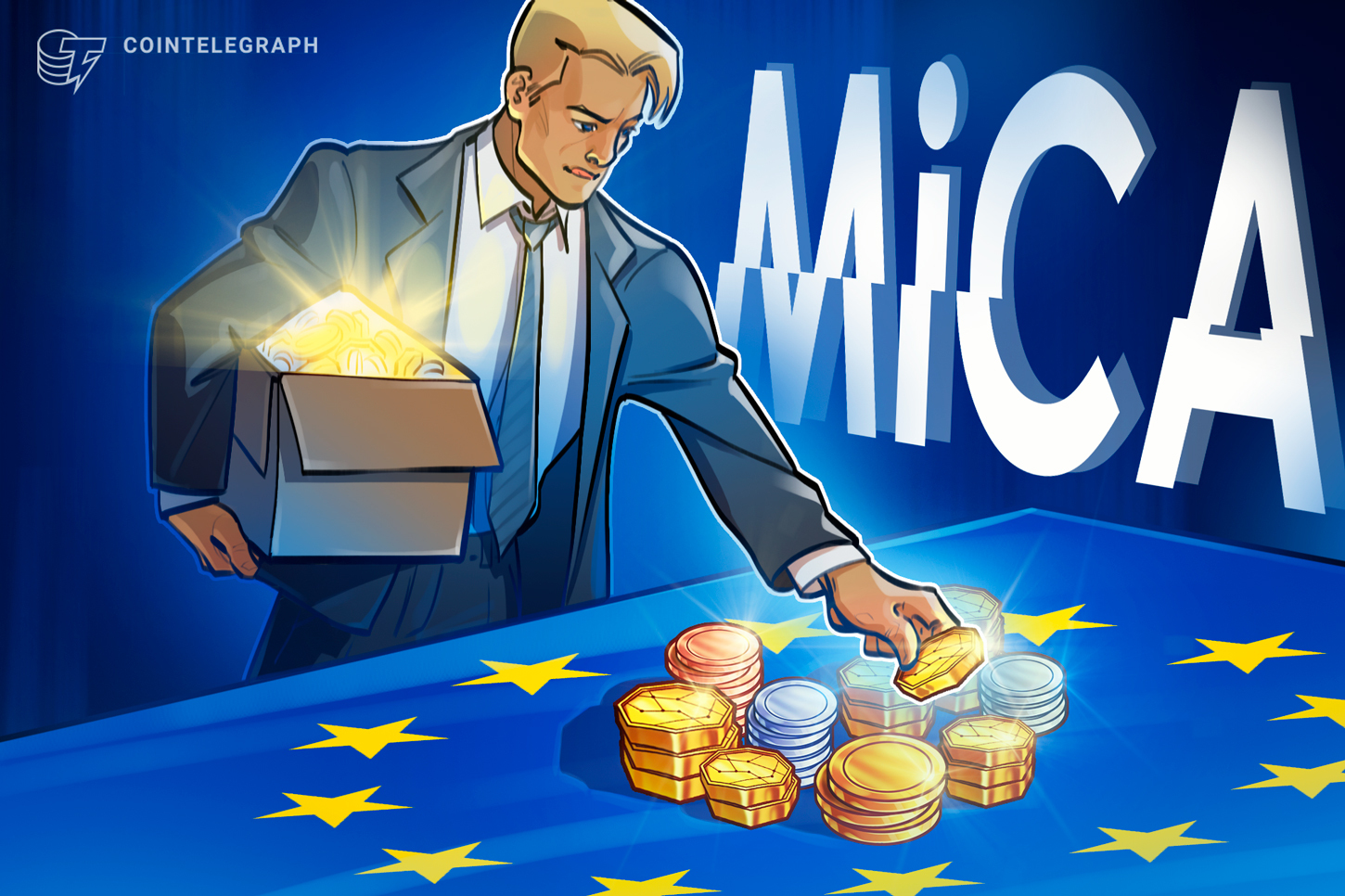
Amid growing global interest in regulating the cryptocurrency ecosystem, EU officials are reportedly set to revise the Markets in Crypto-Assets (MiCA) framework, commonly referred to as MiCA 2.0. This update aims to address the emerging challenges posed by non-EU stablecoin issuers, particularly in light of new legislation being considered in the United States regarding stablecoins and tokenized payments.
Quick Take
| Aspect | Details |
|---|---|
| Framework | Markets in Crypto-Assets (MiCA) 2.0 |
| Key Focus | Non-EU stablecoin issuers |
| Global Context | Response to US stablecoin regulations |
| Potential Impact | Increased regulatory scrutiny for foreign entities |
| Stakeholder Reaction | Mixed responses from crypto advocates and traditionalists |
What is MiCA 2.0?
MiCA, or the Markets in Crypto-Assets Regulation, was introduced as a means to establish a comprehensive regulatory framework for cryptocurrencies and related services across the European Union. The initial version was aimed at ensuring a level playing field for crypto assets and providing consumer protection. However, as the landscape of digital financial assets evolves, it has become evident that the framework requires updates to remain relevant.
MiCA 2.0 represents the next iteration of this regulatory approach, seeking to expand its reach to include non-EU entities—particularly those issuing stablecoins that may impact the Eurozone economy.
Why are Changes Necessary?
The proposed updates to MiCA come at a critical juncture in global financial regulations. The United States is currently working on its own set of stablecoin regulations, which could set precedence and influence global standards. By proactively revising MiCA, EU officials are attempting to ensure that they remain at the forefront of crypto regulation and prevent any potential economic fallout from stablecoins that fall outside their jurisdictional reach.
Market Context
The stablecoin market has seen explosive growth, with tokens like Tether (USDT) and USD Coin (USDC) becoming integral parts of the cryptocurrency ecosystem. The rise of these assets has raised concerns among regulators about issues such as liquidity, transparency, and the potential for systemic risks.
Furthermore, with the increasing integration of stablecoins into traditional financial markets—facilitating payments, remittances, and even investment products—the need for comprehensive regulation becomes even more pressing. MiCA 2.0 aims to address these concerns by imposing stringent requirements on stablecoins, including how they are backed and the disclosures required from issuers.
Impact on Investors
What does this mean for crypto investors?
The revisions to MiCA may have significant implications for investors both within and outside the EU. Increased regulation and scrutiny of non-EU stablecoin issuers could lead to:
- Greater Transparency: Enhanced regulations may result in more reliable information regarding stablecoin reserves and backing assets, allowing investors to make more informed decisions.
- Market Adjustment: As non-EU stablecoin issuers adapt to the new regulatory landscape, we may see a shift in market dynamics, leading to potential volatility in stablecoin values.
- Opportunities for Compliant Issuers: Firms that can effectively navigate the new regulations may find themselves in a favorable position, attracting investors looking for stable and compliant options.
What challenges might arise?
On the flip side, the introduction of MiCA 2.0 may also present challenges, including:
- Compliance Costs: Non-EU issuers may face increased costs associated with compliance, which could lead to higher fees for consumers and investors.
- Reduced Competition: Stricter regulations could potentially stifle innovation and competition in the stablecoin market, limiting options for consumers and investors alike.
Conclusion
The impending revisions to the MiCA framework signal a significant shift in how the EU intends to regulate the evolving landscape of cryptocurrencies and stablecoins. By extending its reach to non-EU issuers, the EU is positioning itself to maintain control over its financial environment amid growing international competition and regulatory divergence.
This initiative may not only redefine the operational landscape for stablecoin issuers but also reshape how investors engage with these digital assets. As we await further developments, the crypto community will be watching closely to see how these changes unfold and what they mean for the future of stablecoins in the global financial ecosystem.
Tags
- MiCA
- Stablecoins
- Regulation
- EU Crypto Law
- Cryptocurrency Market