 Go Back


EU's New Sanctions on Russia: Impact on Crypto and Global Economy
The European Union (EU) has taken a significant step in its ongoing efforts to impose sanctions on Russia, particularly targeting banks, energy sectors, and cryptocurrency. This move, while aimed at bolstering geopolitical stances, opens a Pandora's box of implications for the global economy and the cryptocurrency market. In this post, we will delve deep into the ramifications of these sanctions, utilizing a SWOT analysis to provide clarity.
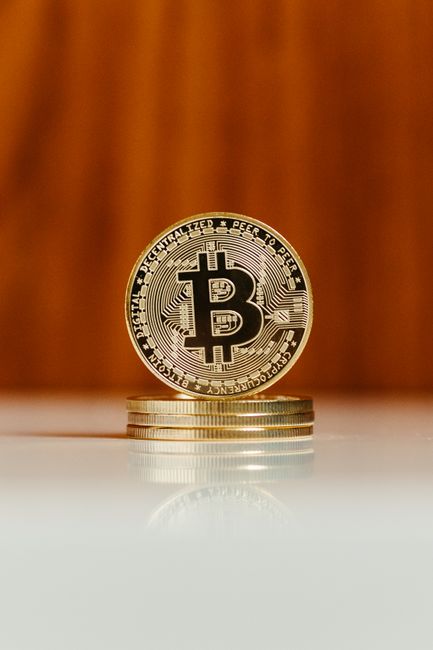
Quick Take
| Aspect | Details |
|---|---|
| Target | Russian banks, energy, and crypto |
| Objective | Weaken Russia's economic capabilities |
| Potential Impact | Increased crypto regulation, market volatility |
| Investor Reaction | Cautious optimism amid uncertainty |
Market Context
The proposed sanctions on Russia come at a time when the geopolitical climate is fraught with tension. Following the invasion of Ukraine, the EU and allied nations have ramped up economic measures against Russia, targeting its financial systems and resources. The focus on cryptocurrency signals a shift in how regulators view digital assets—now seen as potential tools for circumventing sanctions.
Historically, cryptocurrencies have thrived in environments marked by economic uncertainty. For instance, during the COVID-19 pandemic, Bitcoin and others experienced significant price surges as investors sought alternative stores of value. Current developments suggest that crypto could once again play a vital role, albeit under a cloud of regulatory scrutiny.
SWOT Analysis
Strengths
- Decentralization: Cryptocurrencies are inherently decentralized, making it difficult for any single government to control them fully.
- Global Reach: The ability to transact across borders without traditional banking channels could appeal to those looking to evade sanctions.
Weaknesses
- Regulatory Risk: Increased scrutiny from governments can lead to tighter regulations, limiting the growth of the sector.
- Market Volatility: Sanctions could trigger volatility in crypto markets, impacting investor sentiment.
Opportunities
- Innovation: The need for compliance solutions can spur innovation in the blockchain and crypto space, leading to new products and services that cater to legal frameworks.
- Adoption in Emerging Markets: Sanctions may drive individuals in sanctioned areas towards cryptocurrencies, potentially boosting usage and mainstream adoption.
Threats
- Global Crackdown: Other nations may follow the EU’s lead, enforcing stricter regulations that could stifle the market.
- Public Perception: If crypto becomes synonymous with evasion of sanctions, it may deter mainstream adoption and investment.
Impact on Investors
Investors are increasingly focused on how these sanctions will reshape the cryptocurrency landscape. Some may view the EU’s actions as a signal of greater regulatory oversight, which could lead to a more stable market environment in the long term. However, the immediate effects may be marked by increased volatility and uncertainty.
Immediate Concerns
- Market Reaction: Initial reactions from the market have been mixed, with some investors selling off assets in fear of impending regulation.
- Long-term Strategy: Investors might reassess their strategies to account for potential regulations and a changing landscape, focusing on more compliant and transparent cryptocurrencies.
Long-term Prospects
The long-term outlook will depend heavily on how the cryptocurrency market adapts to new regulatory frameworks. A well-regulated environment could lead to increased institutional investment and adoption, enhancing the legitimacy of cryptocurrencies as an asset class.
Conclusion
In summary, the EU's proposed sanctions against Russia are a significant development with far-reaching implications for both the cryptocurrency market and the global economy. While there are inherent risks in the current political climate, there are also opportunities for innovation and growth within the crypto space. The next steps taken by regulators will be critical in shaping the future of digital currencies as they navigate this new reality.
Stay tuned for updates on how these sanctions evolve and their ongoing effects on the cryptocurrency landscape.