 Go Back


Farage Under Scrutiny: Crypto Lobbying and Its Implications
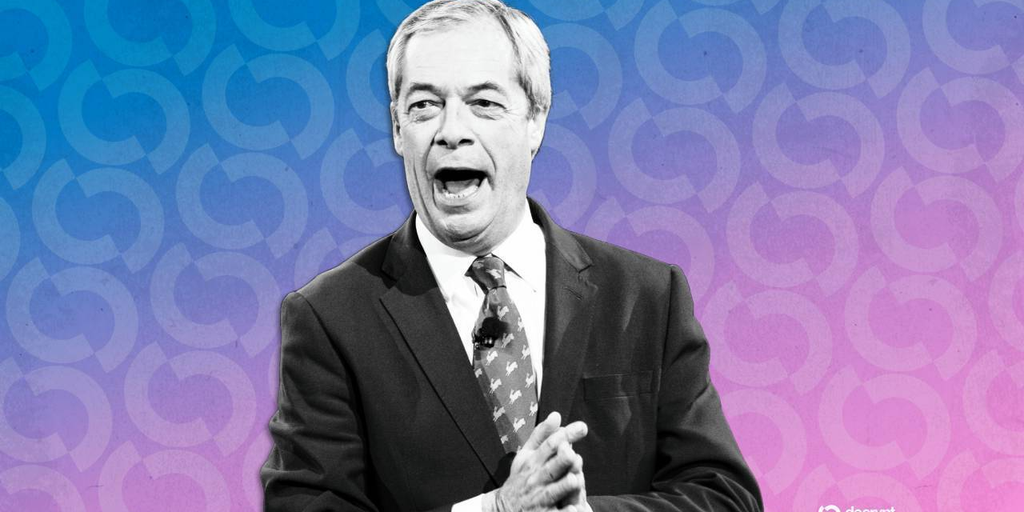
The recent report regarding Nigel Farage, the leader of the Reform UK party, being reported to the UK standards watchdog over alleged lobbying for cryptocurrency policies has sent ripples through the financial and political landscapes. A Labour MP has accused Farage of attempting to influence the Bank of England’s decisions to benefit his largest donor, who is also a significant investor in Tether, a leading stablecoin provider. This situation raises crucial questions regarding the interplay between political lobbying, cryptocurrency regulation, and the interests of major financial players.
Quick Take
| Key Points | Details |
|---|---|
| Allegation | Farage lobbied the Bank of England for crypto policy changes |
| Key Figure | Major donor with ties to Tether |
| Political Context | Labour MP's accusations highlight potential conflicts |
| Regulatory Implications | Could lead to stricter oversight in the crypto sector |
| Market Reaction | Potential volatility in UK crypto markets |
Market Context
The ongoing debate about cryptocurrency regulation in the UK has intensified, particularly as digital assets continue to gain traction among investors and institutions. The involvement of high-profile politicians such as Farage in lobbying efforts raises concerns about transparency and accountability in the regulatory process.
The UK is at a crossroads regarding its approach to cryptocurrency. On one hand, the government acknowledges the potential benefits of blockchain technology and digital currencies in enhancing financial inclusion and innovation. On the other hand, the risks associated with market volatility, fraud, and money laundering necessitate a cautious regulatory stance.
In recent years, the Bank of England has expressed interest in developing a central bank digital currency (CBDC) while simultaneously warning about the dangers of unregulated cryptocurrencies. The tension between these opposing views is palpable, particularly as lobbying efforts from influential figures may sway regulatory bodies towards more favorable policies for specific interests.
Impact on Investors
The allegations against Farage could have significant ramifications for the crypto market, particularly in the UK. Here are some potential impacts:
- Increased Scrutiny: If the allegations lead to a thorough investigation, it could prompt greater regulatory scrutiny of cryptocurrency lobbying practices in the UK. Investors may become wary of the motivations behind policy changes and the influence of wealthy donors on public policy.
- Policy Shifts: Depending on the outcome of the investigation, there may be shifts in policy that could either favor or hinder crypto investments. Investors should stay informed about any changes in the regulatory landscape to make informed decisions.
- Market Volatility: The news of political lobbying linked to cryptocurrencies often results in immediate market reactions. If investors perceive a potential crackdown or increased regulation, it could lead to sell-offs, while a more favorable regulatory environment could spark buying interest.
Historical Context
Historically, lobbying efforts in the finance sector have played a pivotal role in shaping regulations. The crypto industry is no exception. The rise of cryptocurrencies in the past decade has coincided with growing lobbying efforts from various stakeholders, including exchanges, fund managers, and investors. These efforts have aimed to influence legislation and regulation to protect their interests.
The emergence of stablecoins like Tether has added a new dimension to this lobbying, since these assets are often viewed as less volatile and more appealing to traditional investors. The relationship between such stablecoins and influential political figures only complicates the regulatory landscape further.
Future Predictions
Looking ahead, the scrutiny on Farage may set a precedent for how the UK regulates political lobbying in the financial sector, especially within the rapidly evolving cryptocurrency space.
- Regulatory Framework: The UK may move towards developing a more comprehensive regulatory framework for cryptocurrencies in response to public concerns over lobbying transparency. This could include stricter rules governing political donations from crypto investors and increased reporting requirements for lobbyists.
- Investor Confidence: How this situation unfolds could either bolster or undermine investor confidence in the UK’s regulatory environment. A firm stance against undue influence may foster greater trust in the system, while inaction could lead to skepticism.
- Broader Implications: The outcome of this case may resonate beyond the UK, influencing how other countries approach cryptocurrency regulation and lobbying practices. As nations grapple with similar challenges, the UK’s actions could serve as a model—or a warning—for regulatory approaches worldwide.
Engaging with the complexities of political lobbying in the crypto industry is crucial for understanding the broader implications of such incidents. As allegations against prominent figures like Farage unfold, their impact on both regulatory frameworks and market dynamics will be closely watched by investors and policymakers alike.