 Go Back


FBI Director's Oversight on MSTR Investment: Implications for Crypto
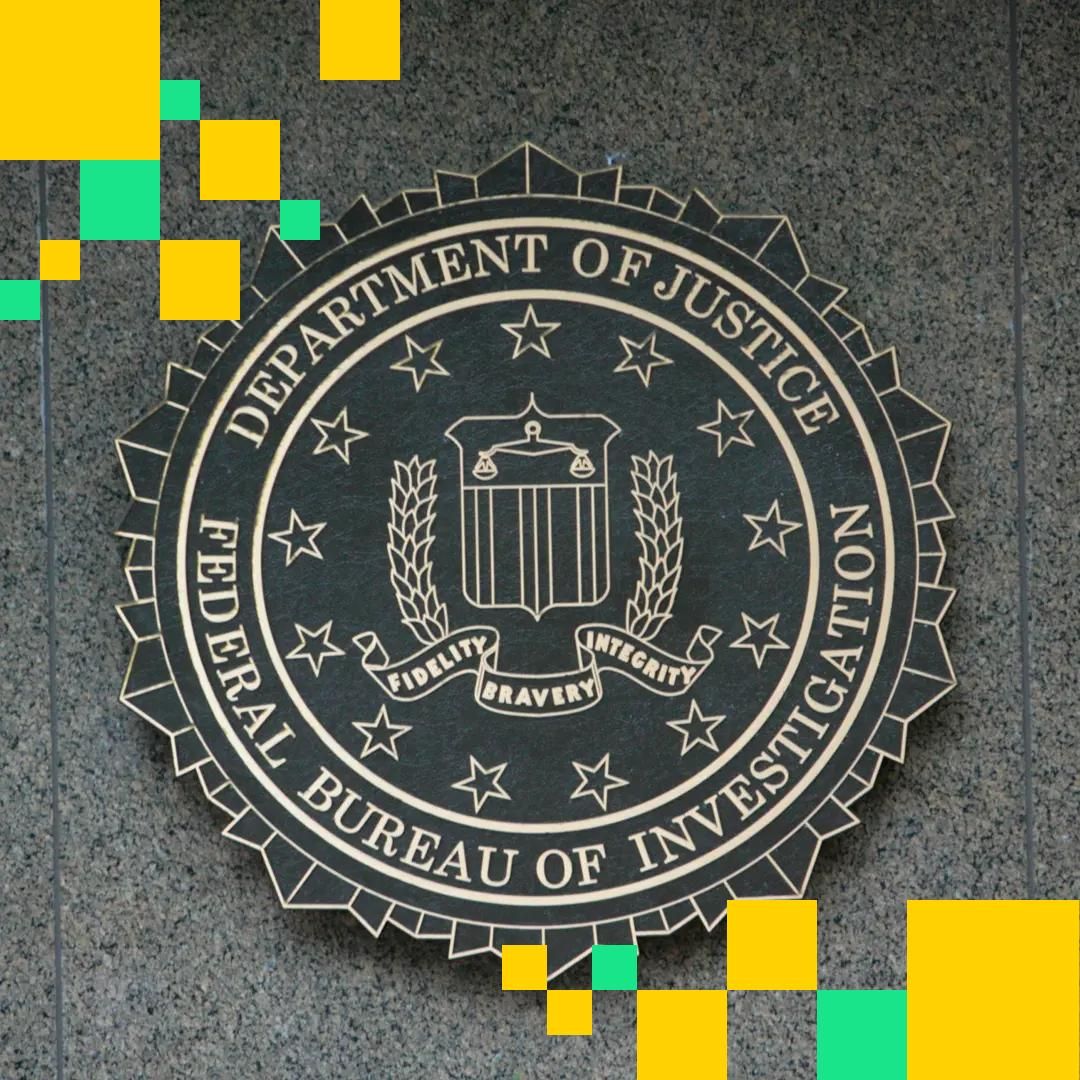
In a surprising twist in the intersection of governmental oversight and cryptocurrency investments, FBI Director Kash Patel reportedly failed to disclose a significant six-figure investment in MicroStrategy (MSTR), a company that has become a pivotal player in the Bitcoin space. This oversight raises questions not just about Patel's compliance with disclosure regulations but also about the broader ramifications for the cryptocurrency market.
Quick Take
| Aspect | Detail |
|---|---|
| Individual | Kash Patel, FBI Director |
| Investment Type | Shares in MicroStrategy (MSTR) |
| Investment Size | Six-figure investment |
| Disclosure Status | Late disclosure, as reported by NOTUS |
| Market Implications | Highlights regulatory scrutiny and market trust issues |
Market Context
MicroStrategy, under the leadership of CEO Michael Saylor, has gained notoriety for its aggressive Bitcoin acquisition strategy, positioning itself as a corporate beacon for cryptocurrency adoption. The company's balance sheet is bolstered by a substantial Bitcoin reserve, making its stock a proxy for Bitcoin investment. For insiders like Patel, investing in MSTR not only showcases personal confidence in Bitcoin but also aligns with growing institutional interest in the crypto asset class.
However, Patel's failure to file a timely disclosure raises pertinent questions about regulatory adherence among government officials. The ramifications of such oversights can be far-reaching, especially in an environment where trust and integrity are paramount. As the lines between traditional finance and crypto continue to blur, ensuring compliance and transparency is critical for maintaining market health.
SWOT Analysis
Strengths
- Institutional Adoption: Patel's investment underscores the increasing institutional interest in Bitcoin, which can bolster confidence among retail investors.
- Market Visibility: MicroStrategy's strategy places it in the spotlight, attracting attention from mainstream investors and possibly leading to higher stock valuations tied to Bitcoin price movements.
Weaknesses
- Regulatory Scrutiny: Patel's oversight has raised concerns about the adherence to disclosure laws, which could signal potential risks for individuals in similar positions who may not prioritize compliance.
- Public Trust: Such oversights can undermine public confidence in both government institutions and the cryptocurrency market if they are perceived as lacking transparency.
Opportunities
- Policy Development: This incident may catalyze discussions surrounding the necessity of stricter guidelines and disclosures for government officials investing in cryptocurrencies.
- Increased Discourse on Crypto Regulation: Patel's situation could drive further debate on how cryptocurrencies are governed, potentially leading to clearer frameworks that benefit the industry.
Threats
- Negative Sentiment: Stories of regulatory failings can foster negative sentiment towards cryptocurrency, as skeptics may use this to criticize the sector.
- Market Volatility: Any fallout from this incident could lead to market fluctuations, as investors react to regulatory news and potential changes in compliance expectations.
Impact on Investors
For everyday investors, the incident involving Kash Patel is a reminder of the importance of transparency and compliance in the financial world, particularly in the relatively nascent and often misunderstood cryptocurrency market. While Patel's investment in MSTR can be seen as a vote of confidence in Bitcoin, the surrounding circumstances highlight a need for all investors—both institutional and retail—to ensure that they adhere to regulatory standards.
Moreover, as scrutiny increases on government officials' investments in emerging technologies like cryptocurrency, this may lead to a shift in how such investments are perceived. Investors may find themselves in an environment where transparency is not just expected but required.
In conclusion, while Patel's investment could be interpreted as a sign of institutional confidence in Bitcoin, the failure to disclose raises critical questions. It underscores the necessity for compliance and can serve as a catalyst for more robust regulations in the cryptocurrency industry. As this narrative develops, all eyes will be on the regulatory landscape and its potential to shape the future of crypto investments.
Future Outlook
Looking ahead, the fallout from this incident may prompt regulatory bodies to reevaluate current disclosure requirements. A potential increase in scrutiny around both private and public investment in cryptocurrencies could emerge, leading to significant changes in how such investments are reported. For investors, staying informed and compliant will be more essential than ever as the market matures and adapts to these evolving dynamics.
Ultimately, the incident serves as a critical case study in the intersection of regulatory oversight and cryptocurrency investment, highlighting the need for increased diligence and transparency in an ever-evolving landscape.