 Go Back

FDIC Proposes New Rules for Stablecoin Issuers: What It Means
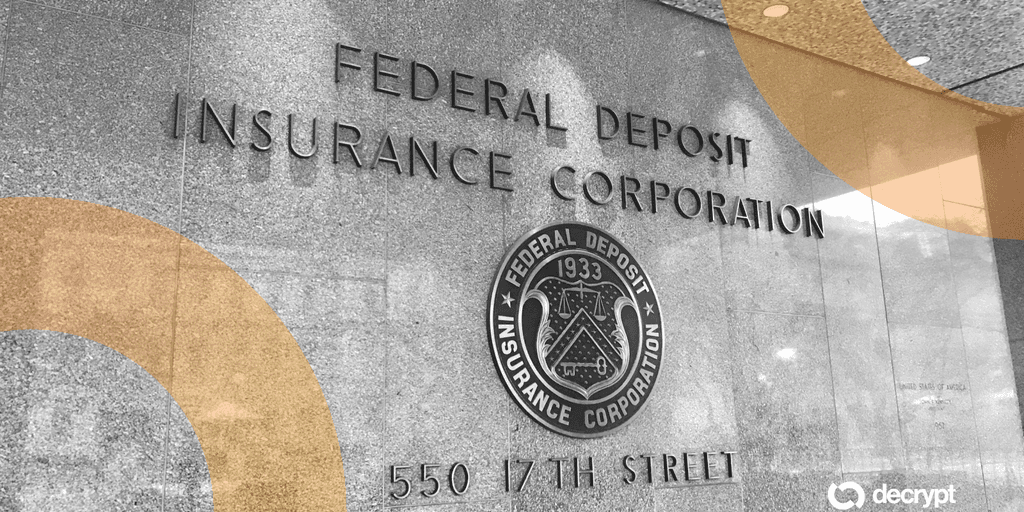
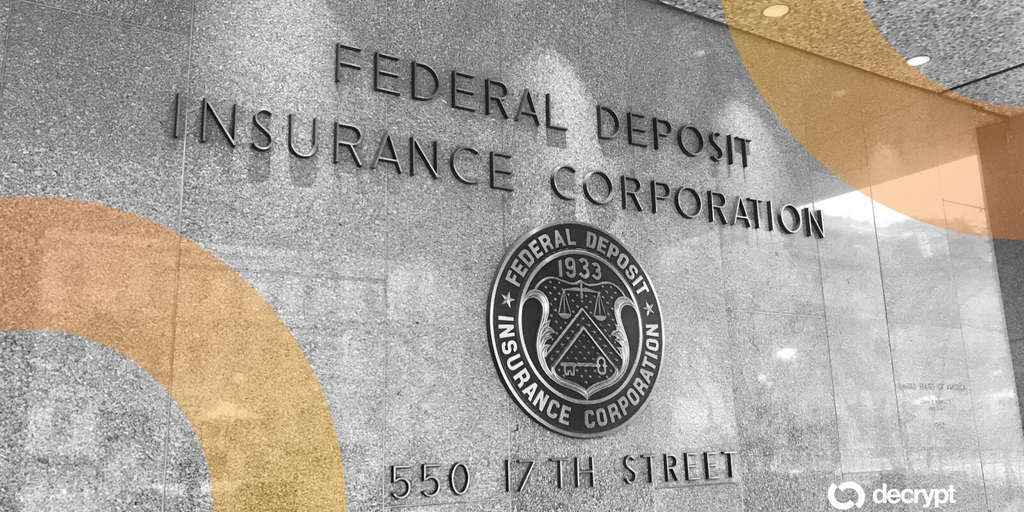
The Federal Deposit Insurance Corporation (FDIC) has recently unveiled a proposal under the Generalized Equity for Nonbank Institutions by Understanding Stablecoins (GENIUS) Act aimed at establishing comprehensive oversight standards for stablecoin issuers. This move is part of a broader regulatory response to the growing stablecoin market, which has become a crucial component of the cryptocurrency ecosystem. However, the proposal notably excludes stablecoin tokens from deposit insurance protections, which raises several important questions for investors, issuers, and the overall market.
Quick Take
| Aspect | Details |
|---|---|
| Proposed Regulation | Establishes federal oversight for stablecoins |
| Key Exclusion | Tokens excluded from deposit insurance coverage |
| Implications for Issuers | Increased compliance costs and regulations |
| Impact on Investors | Greater scrutiny but potential risks remain |
| Market Reaction | Anticipated regulatory clarity may stabilize market |
Understanding the FDIC's Proposal
The FDIC's proposed rules aim to create a regulatory framework that will enhance transparency and accountability within the stablecoin market. By subjecting issuers to federal oversight, the FDIC intends to mitigate risks associated with the growing adoption of stablecoins, particularly those that lack sufficient backing or operational transparency. The GENIUS Act is a significant step towards the formalization of stablecoin regulations, a regulatory void that has long been a point of discussion among policymakers.
Historically, stablecoins have thrived in a largely unregulated environment, providing a bridge between traditional fiat currencies and decentralized digital assets. However, as these assets gain traction among both retail and institutional investors, concerns about their potential to disrupt financial stability have prompted calls for regulatory action. The FDIC's proposal is a response to such concerns, aiming to protect consumers while fostering innovation within the financial technology ecosystem.
Key Features of the Proposal
- Federal Oversight: The proposal mandates that stablecoin issuers adhere to federal standards, ensuring a uniform regulatory approach across the market.
- Exclusion from Deposit Insurance: Unlike traditional bank deposits, stablecoins will not be eligible for FDIC insurance. This exclusion raises questions about the safety and soundness of these digital assets.
- Increased Compliance: Issuers will likely face higher compliance costs as they adapt to new regulations, which may impact their operational models and profit margins.
Market Context: The Rise of Stablecoins
Stablecoins emerged as a solution to the volatility typically associated with cryptocurrencies. By pegging their value to fiat currencies or other assets, they provide a more stable medium for transactions within the cryptocurrency space. Tether (USDT) and USD Coin (USDC) are among the prominent players, accounting for a significant portion of the trading volume on cryptocurrency exchanges.
The rapid growth of the stablecoin market has caught the attention of regulators worldwide. In the U.S., concerns about potential financial stability risks, fraud, money laundering, and consumer protection have led to increased scrutiny of these digital assets. The FDIC's proposal under the GENIUS Act is a critical part of this regulatory evolution, aiming to both safeguard consumers and ensure the stability of the financial system.
Impact on Investors
For investors, the FDIC's proposed rules come with both potential benefits and risks. On one hand, increased regulatory oversight could enhance confidence in stablecoins, making them more attractive as a means of transaction and holding value. The establishment of federal standards may lead to the development of safer products that are better aligned with investor protection principles.
On the other hand, the exclusion of stablecoins from deposit insurance may create a perception of risk among consumers. Investors could be wary of holding stablecoins, knowing they do not have the same protections as traditional bank deposits. This could lead to a shift in how investors view and utilize stablecoins, potentially dampening their growth trajectory in the short term.
Future Predictions
As regulatory frameworks continue to evolve, it is expected that other jurisdictions may follow the FDIC’s lead in establishing oversight for stablecoins. The implementation of these new rules may set a precedent for how stablecoins are treated globally, influencing regulatory approaches in Europe, Asia, and beyond.
Moreover, as more institutions and retail investors enter the space, the demand for compliant and transparent stablecoin options is likely to grow. This could result in a bifurcation of the market, where compliant stablecoins gain market share, while non-compliant ones are phased out or heavily scrutinized.
In conclusion, the FDIC’s proposals under the GENIUS Act represent a pivotal moment for the stablecoin market. As the landscape shifts, both issuers and investors must adapt to the new regulatory environment, which will undoubtedly shape the future of digital assets in the long term.
Conclusion
The FDIC's proposed oversight of stablecoin issuers is a significant regulatory development that reflects the increasing importance of stablecoins in the broader financial landscape. While the exclusion from deposit insurance poses challenges, the establishment of clear guidelines could ultimately lead to a more robust and secure stablecoin market, benefiting both issuers and investors alike.
Stay tuned for further developments as the regulatory landscape continues to evolve.