 Go Back

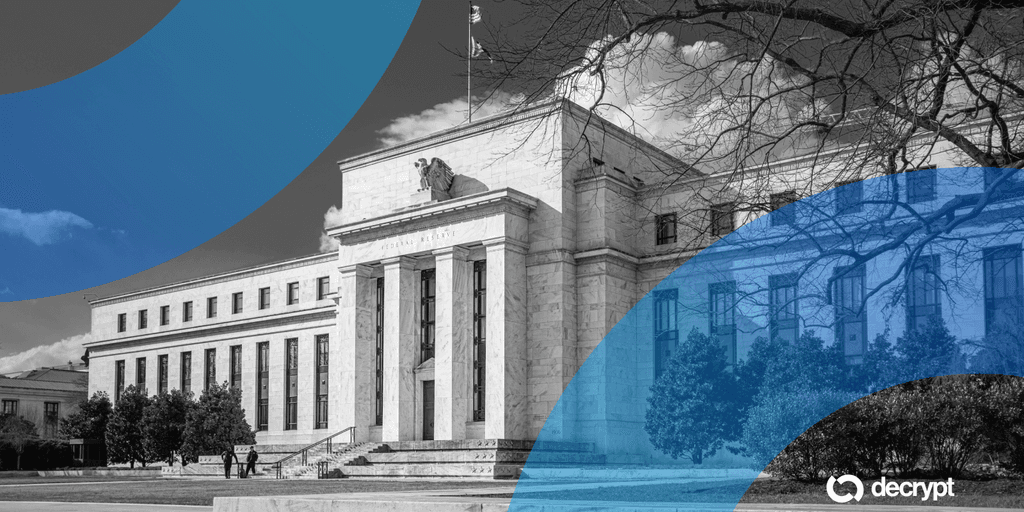
Fed Governor Calls for Tougher Stablecoin Regulations
Stablecoins are a hot topic in the crypto world lately, and with good reason. As the digital currency landscape evolves, so do the concerns surrounding its regulation. Recently, Federal Reserve Governor Michael Barr made headlines by advocating for stricter controls over stablecoins to combat money laundering. This reinforced the belief that while stablecoins offer numerous advantages, they also pose significant risks that cannot be overlooked.
Quick Take
| Key Points | Details |
|---|---|
| Advocacy for Regulation | Fed Governor Barr emphasizes the need for tighter controls. |
| Money Laundering Concerns | Stablecoins may facilitate illegal financial activities. |
| Impact on U.S. Central Bank | Risks to the Fed's credibility cited by Barr. |
| Future of Stablecoins | Potential changes in oversight and compliance. |
The Background: Why the Concern?
Stablecoins, pegged to traditional assets like the US dollar, are designed to bring stability to the volatile cryptocurrency market. However, as Barr points out, the increasing use of these digital assets raises red flags about their potential use in money laundering and other illicit activities. The decentralized nature of cryptocurrencies can make it challenging to trace transactions, posing a risk to financial integrity.
A Growing Trend
The demand for stablecoins has soared over recent years, with projects like Tether (USDT) and USD Coin (USDC) leading the charge. In essence, they provide crypto enthusiasts a reliable on-ramp and off-ramp to the volatile crypto markets while maintaining a semblance of stability. However, this rapid growth has attracted the attention of regulators, concerned about the implications for monetary policy, consumer protection, and financial stability.
Market Context: The Regulatory Landscape
The U.S. regulatory environment is no stranger to change. As authorities grapple with the complexities of cryptocurrencies, the focus has increasingly shifted toward creating a robust framework that fosters innovation while ensuring safety. Barr's recent comments underscore the Fed's strategy to not just keep pace with technological advancements, but to also protect the financial system from the risks that accompany them.
Historical Context of Regulatory Scrutiny
Historically, financial regulators have played a pivotal role in maintaining market integrity. From the 2008 financial crisis to the introduction of the Dodd-Frank Act, the U.S. has seen significant regulatory shifts aimed at preventing misconduct. The emergence of stablecoins now presents a new challenge—how to regulate a financial instrument that sits at the intersection of traditional finance and cutting-edge technology.
Impact on Investors
For investors in stablecoins, Barr's remarks could signal both challenges and opportunities. On one hand, tighter regulations could increase compliance costs for stablecoin issuers, potentially leading to fewer options in the market. On the other hand, increased regulation might also bolster confidence among users by ensuring that stablecoins operate under stringent oversight, which could enhance their long-term viability.
What This Means for Investors
- Increased Scrutiny: Expect a more watchful eye on stablecoin operations, possibly leading to increased transparency.
- Potential Consolidation: Smaller stablecoin projects may struggle to meet new regulations, paving the way for larger, compliant players to dominate the market.
- Long-term Stability: As regulations become clearer, investors might find more confidence in using stablecoins as a means of transferring value, reducing the volatility often associated with traditional cryptocurrencies.
The Path Forward
As the Fed and other regulatory bodies work to establish a framework for stablecoins, the industry must adapt to the evolving landscape. The conversation surrounding stablecoins is just beginning, and the implications of these discussions will undoubtedly shape the future of digital currencies.
Investors and enthusiasts alike should keep an eye on how these regulations unfold and their potential impact on market dynamics. The balance between innovation and regulation remains delicate, yet crucial for fostering a safe and thriving cryptocurrency ecosystem.
In summary, while the Fed's call for tighter controls on stablecoins may herald a new era of regulatory scrutiny, it also presents an opportunity for growth and stability in the long term. Stay tuned to the ever-changing world of crypto as we navigate these exciting yet turbulent waters together!