 Go Back

Harnessing AI: How New FireSat Satellites Impact Wildfire Management
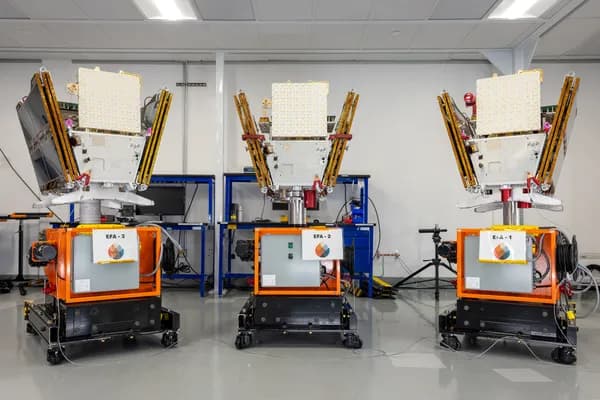
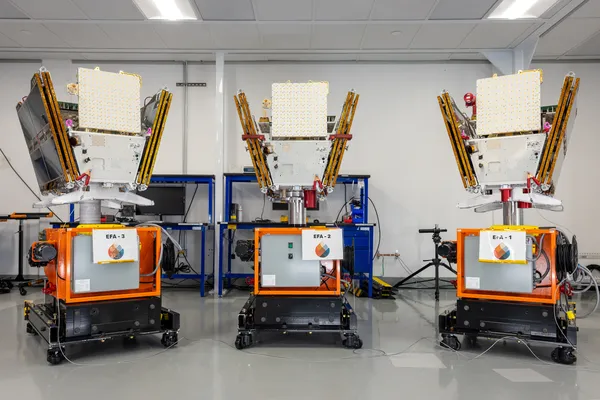
The launch of three new FireSat satellites marks a significant step forward in the fight against wildfires. Utilizing Google's advanced AI technology, these satellites aim to enhance early-stage wildfire detection, a crucial development given the increasing frequency and intensity of wildfires globally. As the world grapples with climate change and its effects on ecosystems, the implications of this technology extend beyond environmental concerns into broader economic realms.
Quick Take
| Key Points | Details |
|---|---|
| Launch | Three new FireSat satellites have been launched. |
| Purpose | To aid fire agencies in detecting early-stage wildfires through Google AI. |
| Global Context | Wildfires are becoming more common due to climate change. |
| Economic Impact | Improved wildfire detection can lead to reduced costs in firefighting and damage control. |
Market Context
The occurrence of wildfires has surged in recent years, driven largely by climate change, land management practices, and urban encroachment into wildlands. The introduction of FireSat satellites, equipped with AI capabilities, represents a pivotal advancement in how we respond to this growing crisis. Here are some key aspects to consider:
- Climate Change Effects: As global temperatures rise, areas prone to wildfires are expanding. This escalation not only threatens biodiversity but also affects air quality, public health, and local economies.
- Technological Evolution: The integration of satellite technology with AI is not new, but the specific focus on early wildfire detection is innovative. This approach leverages data analytics to identify potential fire outbreaks before they escalate, potentially saving lives and resources.
- Historical Precedents: In the past, wildfire detection relied heavily on human observation and traditional surveillance methods, which often resulted in delayed responses. The advent of satellites has transformed this process, but the FireSat initiative enhances it further.
Impact on Investors
For investors, the implications of FireSat technology are multifaceted:
- Reduced Risk for Insurance Companies: Wildfires lead to significant losses for insurers. With improved detection, claims may decrease, stabilizing premiums and resulting in healthier balance sheets for these companies.
- Investment in Green Technologies: The deployment of FireSat satellites aligns with the increasing investment trend in sustainability and technology aimed at combating climate change. Companies that adopt or contribute to such innovations may find themselves appealing to environmentally-conscious investors.
- Government Contracts: The success of these satellites may open doors for additional contracts between the tech industry and governments focused on disaster prevention and management, presenting lucrative opportunities.
Long-Term Outlook
The development of the FireSat satellites signifies a transformative moment in wildfire management. However, the broader implications stretch into long-term market dynamics:
- Ecosystem Restoration Initiatives: With enhanced detection capabilities, regions affected by wildfires may see increased funding and support for ecosystem restoration projects. This could lead to the emergence of new industries centered around reforestation and habitat restoration.
- Global Collaboration: The fight against wildfires is not confined to one nation or region. As these technologies prove effective, we may witness a surge in international collaboration to share technology, resources, and expertise in wildfire management.
- Data-Driven Decision Making: The data collected by FireSat satellites can lead to more informed decision-making in land management and urban planning, ultimately mitigating future wildfire risks and fostering economic stability in vulnerable areas.
Conclusion
The launch of the FireSat satellites is a remarkable technological leap that has the potential to redefine how we approach wildfire management. The implications stretch beyond just environmental concerns, touching on economic factors that can influence investor decisions and market dynamics. As we continue to navigate the complexities of climate change, embracing such innovations will be paramount in fostering resilience and stability in both ecosystems and economies.
Tags
- Wildfires
- Satellite Technology
- AI
- Climate Change
- Environmental Economics