 Go Back


Quick Take
| Metrics | Current State | Implications |
|---|---|---|
| Bitcoin Price | Down | Increased volatility likely |
| Ethereum Price | Down | Impact on DeFi projects |
| XRP Price | Down | Regulatory concerns loom |
| Dogecoin Price | Down | Market sentiment weakened |
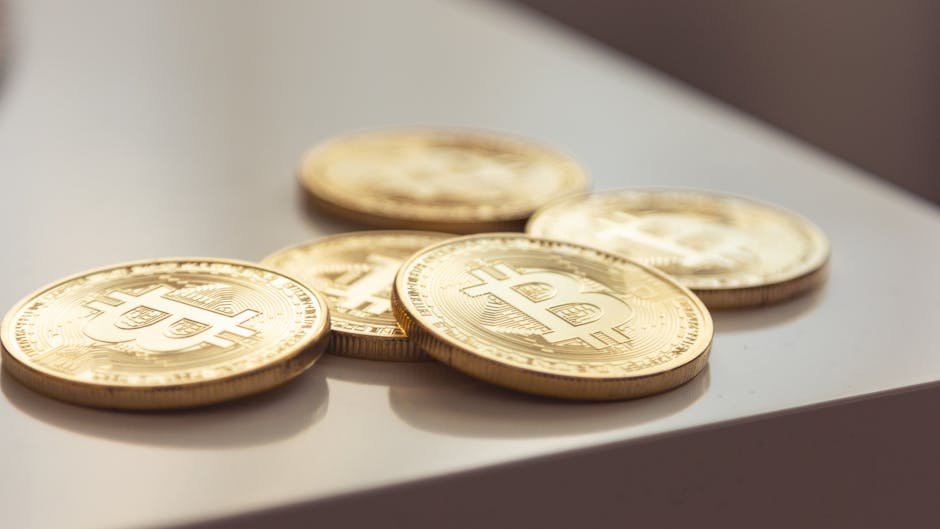
The cryptocurrency market is currently experiencing a downturn, with Bitcoin, Ethereum, XRP, and Dogecoin all seeing red. While this seems to be a common occurrence in the volatile world of crypto, the context of recent global events adds layers of complexity to the situation. Notably, the signing of a peace deal between the United States and Iran by former President Trump has introduced a new dynamic that could be influencing market sentiment and price movements.
Market Context
As geopolitical events unfold, the cryptocurrency market often reacts in unexpected ways. The signing of the Iran peace deal represents a significant shift in foreign policy that could have far-reaching implications. Here are key points to consider:
- Market Sentiment: The cryptocurrency market is heavily influenced by investor sentiment. With such a monumental global event, traders and investors are likely reassessing their positions, leading to increased selling pressure.
- Economic Indicators: Economic stability often affects crypto prices. If peace negotiations lead to more favorable economic conditions, it may strengthen Bitcoin as a 'safe haven' asset. Conversely, uncertainty can lead to volatility.
- Regulatory Landscape: Cryptocurrencies operate in a complex regulatory environment. Actions taken following the peace deal may ripple through regulatory bodies, affecting projects tied to Bitcoin and other cryptocurrencies.
Impact on Investors
Understanding the implications of macroeconomic factors on cryptocurrency prices is crucial for investors. Here are some insights:
- Volatility: Investors should brace for increased volatility in the wake of global events. Bitcoin, often seen as a bellwether for the market, is currently in a fragile state, making it imperative to monitor market trends closely.
- Long-term vs. Short-term: While short-term fluctuations can incite panic, a long-term perspective remains essential. Historical data shows that Bitcoin has rebounded from geopolitical uncertainties in the past.
- Diversification: Investors should consider diversifying their portfolios to mitigate risks associated with volatility in the cryptocurrency market. Assets like Ethereum and stablecoins can provide a hedge against Bitcoin’s fluctuations.
- Technological Trends: The ongoing development in blockchain technology and decentralized finance (DeFi) could provide new opportunities for growth, even amid adverse market conditions.
Historical Context
To fully grasp the current scenario, it’s helpful to look back at similar events:
- 2017-2018 Crypto Boom and Bust: The market saw dramatic price swings following significant geopolitical happenings. Investors who stayed the course during downturns often found themselves rewarded in later bull runs.
- Ongoing Regulatory Developments: Each major news event creates ripples throughout the regulatory landscape, reinforcing the need for an informed approach to investing in cryptocurrencies.
Future Predictions
Given the current fragile state of Bitcoin and other cryptocurrencies, several predictions can be made:
- Short-term Volatility: Expect continued fluctuations in prices as the market digests the implications of the peace deal and other global developments.
- Potential Recovery: Should global stability increase, Bitcoin may regain its footing, leading to renewed interest and investment.
- Regulatory Changes: Future developments in regulation could reshape investments in crypto, particularly if governments begin to embrace blockchain technology more fully.
In conclusion, the cryptocurrency market remains unpredictable, influenced by a constellation of factors ranging from geopolitical events to regulatory changes. Investors should remain vigilant, informed, and adaptable as they navigate this evolving landscape. Whether Bitcoin continues to hold its status as a leading digital asset will depend on how these macroeconomic factors play out in the coming months.