 Go Back


Understanding the Evolution of the Metaverse with AI Agents
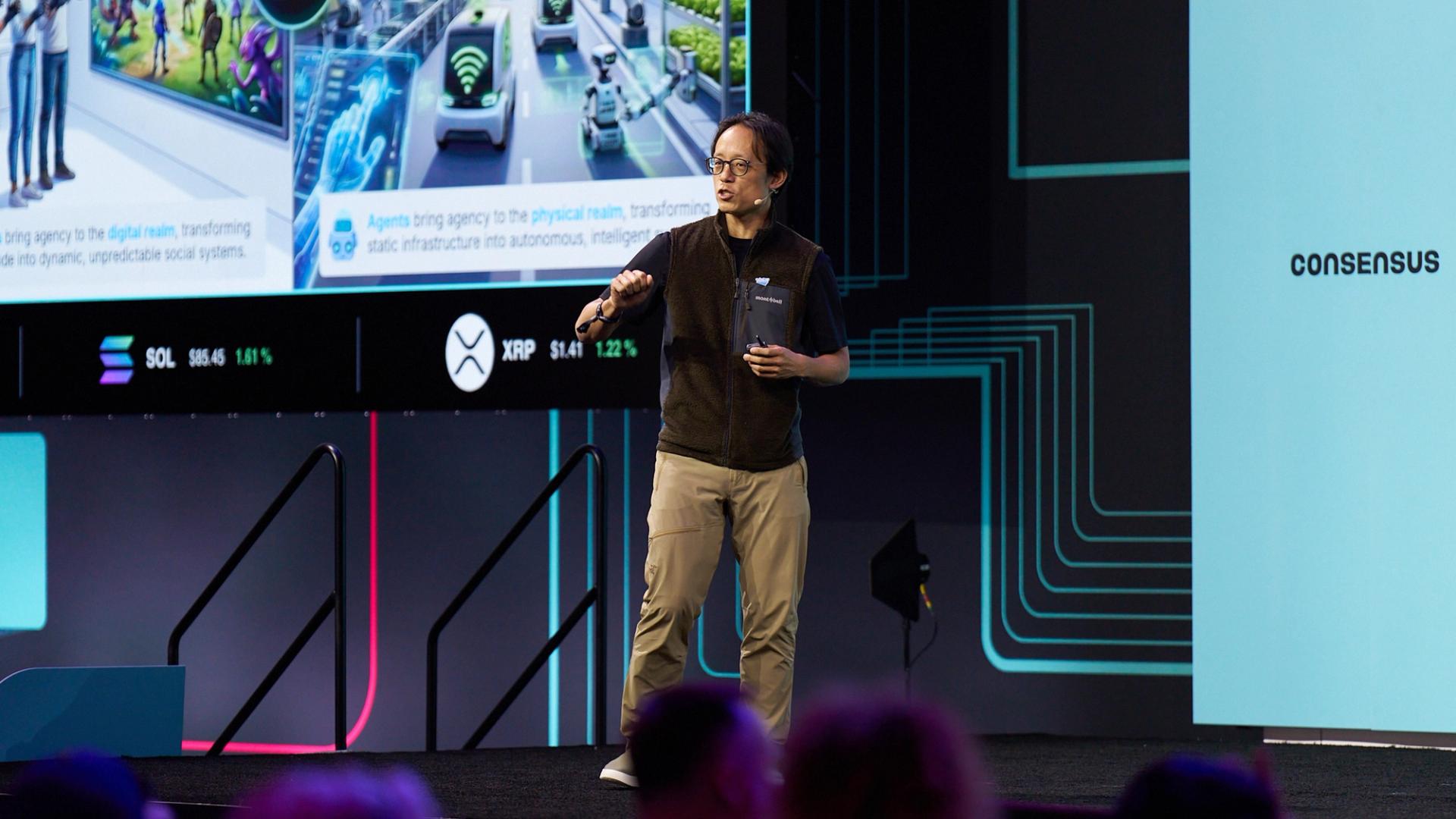
The metaverse has been a buzzword for years, often depicted as a sprawling virtual universe filled with immersive experiences. However, as Yat Siu of Animoca articulated at Consensus 2026, the metaverse is not merely a destination; it is rapidly transforming through the integration of AI. This change hints at a future dominated by AI agents, fundamentally altering how we perceive commerce, coordination, and interaction within digital environments.
Quick Take
| Insight | Details |
|---|---|
| Key Player | Animoca |
| Innovative Shift | From immersive worlds to AI-driven coordination |
| Future Potential | 100 billion AI agents facilitating commerce |
| Impact on Blockchain | Enhancing scalability and efficiency |
| Investor Focus | Opportunities in AI and Web3 integration |
What Changes Are Happening in the Metaverse?
The concept of the metaverse is undergoing significant evolution. Traditionally envisioned as immersive environments driven by user-generated content, the emerging narrative is increasingly focused on the role of AI. According to Siu, these AI agents are set to dominate future interactions in the metaverse, managing aspects like commerce and payments, often hidden behind the scenes through blockchain technology.
The Role of AI in the Metaverse
AI's introduction into the metaverse marks a paradigm shift. Here are some key roles AI agents are anticipated to play:
- Commerce Management: AI agents can facilitate transactions, ensuring seamless exchanges between users without the need for direct human oversight.
- Personalized Experiences: By analyzing user behavior and preferences, these agents can curate experiences tailored to individual users, enhancing engagement.
- Efficient Coordination: Automated systems can manage interactions between users and different digital environments, improving the overall user experience.
Market Context
The integration of AI into the metaverse is reflective of broader macroeconomic trends. With the global economy increasingly leaning towards automation and AI-driven solutions, industries such as finance, retail, and even entertainment are evolving to accommodate these technologies.
As companies invest in AI technologies, the metaverse's growth potential becomes more pronounced. According to recent market analyses, the metaverse is projected to be a multi-trillion-dollar industry within the next decade, particularly as companies like Animoca champion AI's role in it. These developments signal a transition towards a more interconnected and efficient digital ecosystem.
Key Trends Influencing the Metaverse
- Blockchain Technology: The foundational infrastructure that supports the metaverse, ensuring transparency and security in transactions.
- Consumer Behavior Shifts: With younger generations increasingly comfortable with digital environments, the demand for robust metaverse experiences continues to rise.
- Investment in AI: Venture capital is heavily flowing into AI startups, indicating a belief in AI's transformative potential across various sectors.
Impact on Investors
With the emergence of AI-driven agents in the metaverse, the investment landscape is ripe for re-evaluation. Here are several factors investors should consider:
Opportunities for Investment
- AI Technology Companies: Investing in companies developing AI solutions could yield high returns as demand surges.
- Blockchain Startups: Firms working on innovative blockchain solutions that underpin the metaverse are likely to attract significant investment.
- Gaming Sector: The intersection of gaming and AI within the metaverse presents myriad opportunities for growth, especially with companies like Animoca leading the way.
Risks to Consider
- Market Saturation: As more players enter the AI and metaverse space, distinguishing quality projects from those that may not deliver could become challenging.
- Regulatory Landscape: As with any emerging technology, regulatory scrutiny could pose challenges that might affect growth trajectories.
- Technological Adoption Rates: The success of AI agents in the metaverse depends on broader acceptance of AI technologies across industries and by consumers.
Conclusion
The narrative surrounding the metaverse is shifting, transitioning from a place of immersive experiences to a complex ecosystem powered by AI. As Yat Siu emphasizes, the future could see an astonishing number of AI agents facilitating our interactions within this digital realm. For investors, understanding these shifts is crucial for capitalizing on the opportunities they present. With careful consideration of risks and an eye on emerging technologies, the metaverse's evolution could offer fertile ground for innovative investment strategies.