 Go Back


Gary Gensler's View on Prediction Markets: A Regulatory Perspective
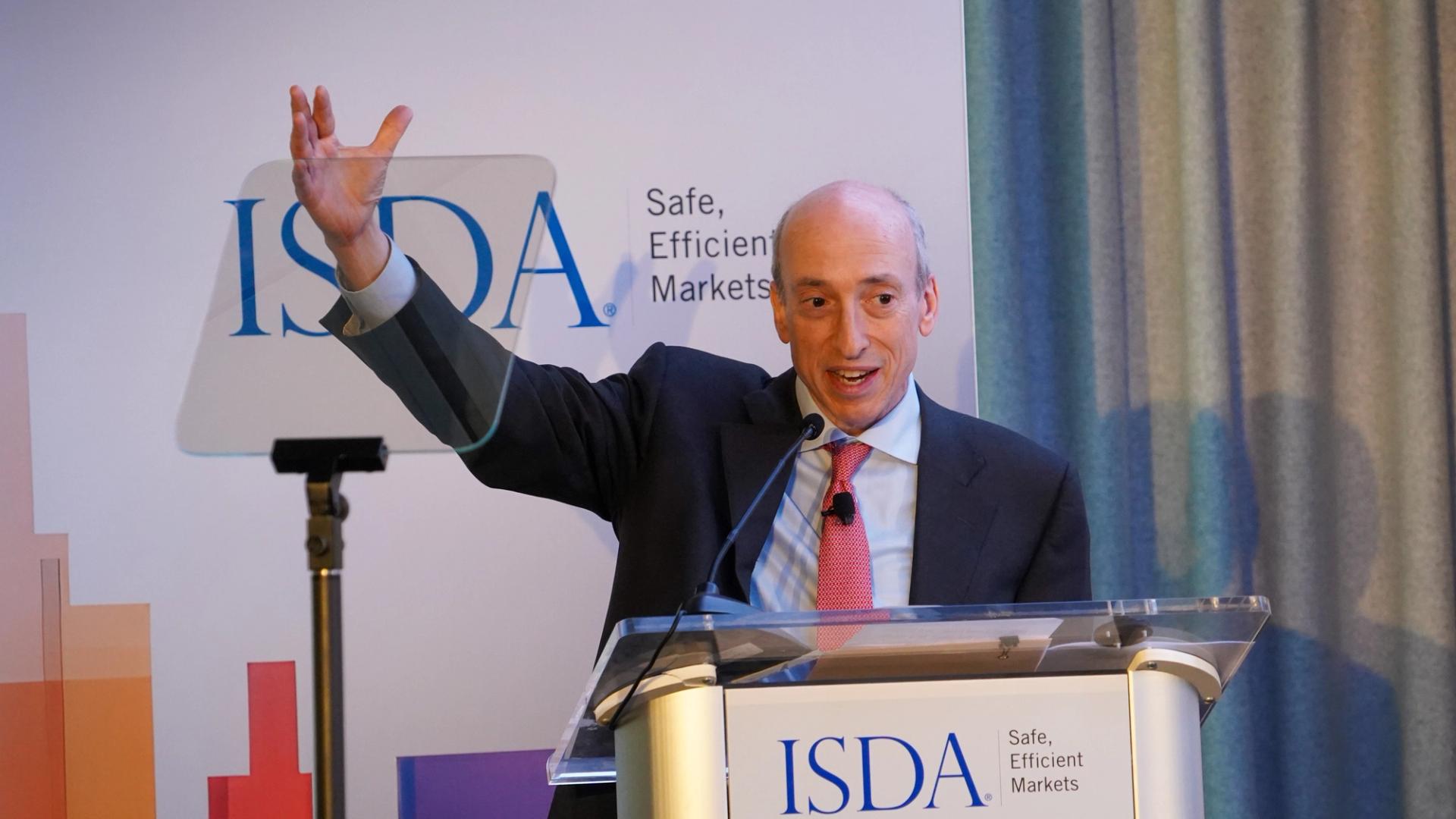
In recent discussions surrounding the evolving landscape of prediction markets, former SEC and CFTC Chair Gary Gensler has expressed significant concerns about the regulatory implications of these platforms. Joining various interest groups, Gensler argues that prediction markets, particularly those offering sports-related contracts, may be overstepping their limitations by potentially infringing on state regulations. This blog post delves into Gensler's arguments, the broader macroeconomic context, and the implications for investors in the prediction market space.
Quick Take
| Aspect | Details |
|---|---|
| Key Figure | Gary Gensler, Former SEC and CFTC Chair |
| Main Argument | Prediction markets do not overrule state regulations |
| Market Focus | Sports-related contracts in prediction markets |
| Regulatory Concern | Potential infringement on state laws and regulations |
What are Prediction Markets?
Prediction markets are exchange-traded markets created for the purpose of trading the outcome of future events. They allow users to buy and sell contracts based on the predictions of specific outcomes, such as political elections or sports events. The prices of these contracts reflect the market's collective probability of an event occurring, making them a fascinating financial instrument that straddles the line between investment and gambling.
Why is Gensler Concerned?
Gensler's primary concern revolves around the regulatory framework governing these markets. He argues that while prediction markets can offer valuable insights and information aggregation, they must operate within the bounds of existing state regulations. Specifically, he emphasizes that they should not circumvent laws designed to protect consumers and maintain fair trading practices.
Historical Context
The development of prediction markets has been heavily influenced by technological advancements and a changing regulatory environment. In the early 2000s, platforms like the Iowa Electronic Markets gained recognition for their innovative approach to forecasting outcomes. However, as these markets expanded, so did concerns regarding their legitimacy and the potential for abuse, which prompted regulatory scrutiny.
Current Regulatory Environment
In the U.S., the regulation of prediction markets is complex and varies by state. Some states have adopted a lenient stance, while others impose strict regulations that can limit the operation of these platforms. Gensler's stance reflects a broader regulatory trend that seeks to ensure compliance and protect consumers in a rapidly evolving financial landscape.
Market Context
The rise of decentralized finance (DeFi) and blockchain technology has opened new avenues for prediction markets, bringing both opportunities and challenges. With the advent of smart contracts, many believe that prediction markets can operate more transparently and efficiently. However, as Gensler points out, the potential for overreach coupled with a lack of clarity in regulatory frameworks presents a precarious situation for participants.
Implications for Investors
Investors in prediction markets must navigate this complex regulatory landscape with caution. Here are some key considerations:
- Legal Compliance: Ensure that the prediction market platform complies with both federal and state regulations. Engaging with platforms that operate in legal gray areas can expose investors to significant risks.
- Market Volatility: Prediction markets can exhibit high volatility, particularly around major events. Investors should conduct thorough research and be prepared for price swings.
- Long-Term Viability: With ongoing discussions about regulatory frameworks, the long-term viability of prediction markets may be contingent on how well they adapt to evolving regulations.
The Future of Prediction Markets
As the financial landscape continues to evolve, the future of prediction markets remains uncertain but promising. Increased regulatory clarity could foster innovation and growth within the sector while providing protections for investors. Conversely, overly stringent regulations may stifle creativity and limit market participation.
Conclusion
Gary Gensler's insights into prediction markets underscore the essential balance between innovation and regulatory compliance in the financial sector. As these markets continue to develop, both regulators and market participants must engage in ongoing dialogue to ensure a fair and transparent marketplace. The evolution of prediction markets will undoubtedly shape the future of financial trading and investment strategies, making it a space worth watching closely.
Tags
- #PredictionMarkets
- #GaryGensler
- #FinancialRegulation
- #DeFi
- #ConsumerProtection
- #InvestmentStrategies