 Go Back


Geopolitical Shocks Fuel Oil Trading Boom: Insights from JPMorgan
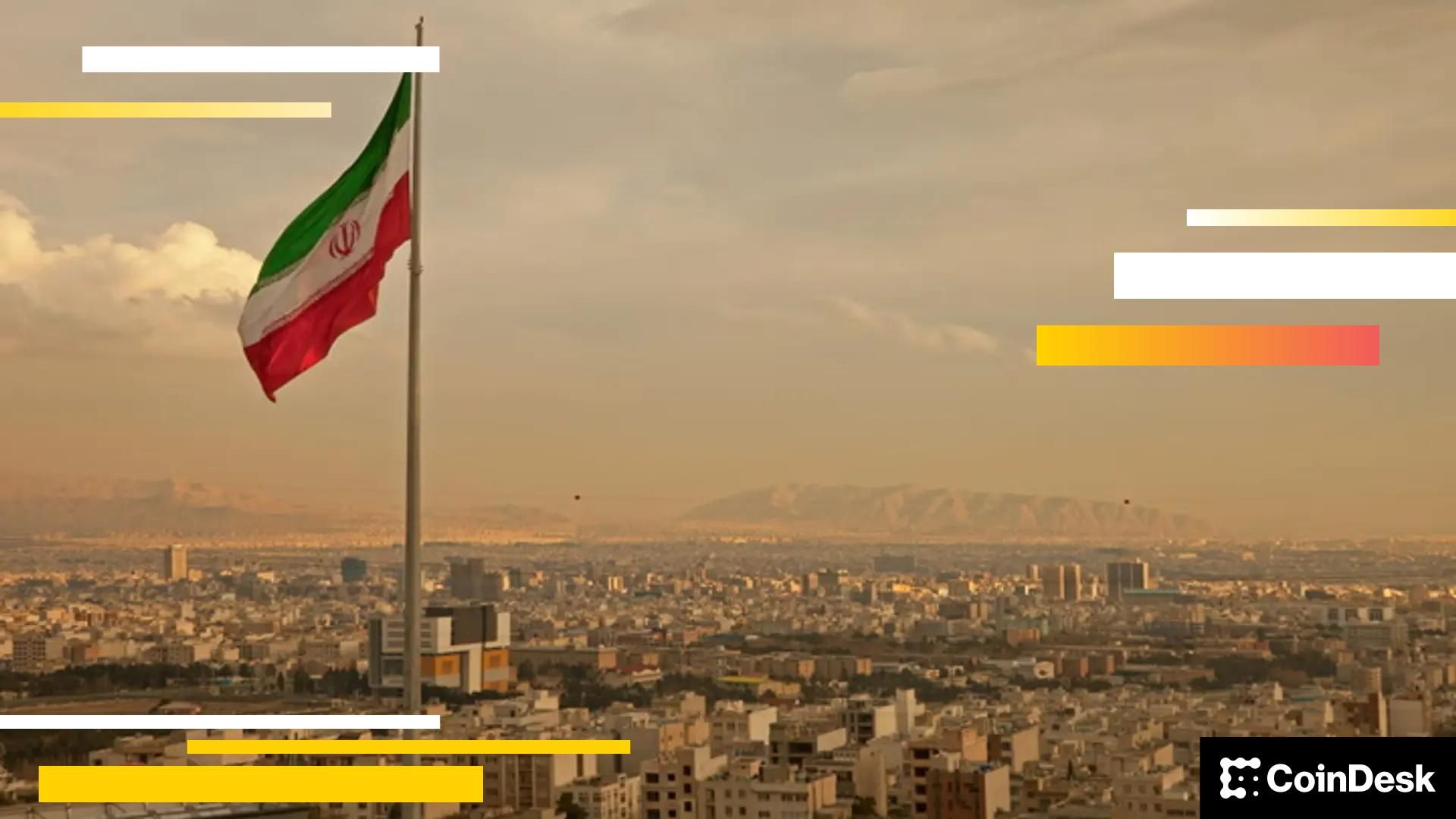
The ongoing geopolitical tensions, particularly the conflict involving Iran, have ignited a surge in round-the-clock oil trading on platforms like Hyperliquid. According to a recent report by JPMorgan, this volatility is pulling investors from traditional markets, with many turning their sights towards digital trading platforms. This shift highlights a pivotal moment for both the oil and cryptocurrency markets, where traditional trading practices are being challenged by rapid technological advancements.
Quick Take
| Insight | Details |
|---|---|
| Market Shift | Increasing investor interest in oil trading on digital platforms like Hyperliquid. |
| Geopolitical Impact | Tensions, especially involving Iran, are causing significant market volatility. |
| Alternative Investments | Investors are seeking opportunities beyond traditional markets, including cryptocurrencies. |
| Future Trends | Continued growth in digital trading platforms amid geopolitical uncertainties. |
Market Context
The current global economic landscape is heavily influenced by geopolitical events, which are creating ripples across various financial markets. The conflict in Iran has underscored vulnerabilities within the oil market, prompting traders to seek more dynamic trading environments. Traditional oil trading has historically been limited by geographical and temporal constraints; however, platforms like Hyperliquid are breaking these barriers.
Oil Trading Dynamics
- 24/7 Trading: The ability to trade oil around the clock offers investors flexibility and access to real-time market conditions.
- Hyperliquid’s Role: By enabling more efficient trades, Hyperliquid is positioning itself as a crucial player in the evolving oil space. The platform's appeal lies in its ability to provide liquidity and rapid transaction capabilities, essential during volatile periods.
The report by JPMorgan suggests that as geopolitical conflicts escalate, so does the necessity for more adaptive trading solutions. This scenario is fostering a growing sentiment among investors that traditional markets might not be as resilient as once thought.
Impact on Investors
The rise of digital trading platforms like Hyperliquid is reshaping how investors approach both the oil and crypto markets. Here are several implications for investors:
Diversification Strategies
- Beyond Crypto: Investors traditionally viewed cryptocurrencies as a hedge against inflation and economic instability. The recent developments suggest that oil trading can also serve as a viable alternative.
- Portfolio Adjustments: With increased volatility in the oil market driven by geopolitical tensions, investors may look to balance their portfolios by allocating more resources to oil trading and less to conventional assets.
Psychological Factors
- Fear and Greed: Geopolitical uncertainties often amplify market fears, leading to more aggressive trading behaviors. Investors might find themselves drawn to oil as a haven or as a speculative opportunity.
- Market Sentiment: The perception of risk is shifting. As traditional markets face pressures, investors are more likely to embrace new trading avenues that promise higher returns, even with associated risks.
Long-term Predictions
As we look ahead:
- Sustained Interest in Digital Trading: The trend towards digital platforms for oil trading is likely to grow, with more investors seeking the benefits of lower barriers to entry and enhanced trading capabilities.
- Emerging Market Dynamics: The intersection of geopolitics and trade can create ongoing volatility. This reality could lead to more adaptive trading strategies that include both oil and cryptocurrencies.
- Regulatory Considerations: Increased trading activity may attract regulatory scrutiny, potentially shaping future trading norms in oil and crypto markets alike.
Conclusion
The recent uptick in oil trading on platforms like Hyperliquid reflects a significant transition in investor behavior influenced by geopolitical events. As traditional trading methods are challenged, markets are becoming more fluid, and the lines between oil trading and cryptocurrency investment are increasingly blurred. Investors, therefore, must remain vigilant, continually reassessing their strategies in light of global events and technological innovations.
The insights provided by JPMorgan underscore the importance of adapting to these changes, as the future of both oil and cryptocurrency markets will likely be defined by the ability to navigate and capitalize on volatility. This moment in time is not just a reaction to current events but could signify a new paradigm in financial trading that warrants close attention moving forward.