 Go Back


Geopolitical Tensions and Crypto: Analyzing Market Reactions
The recent escalation of conflict in Iran has sent ripples through global financial markets, including the cryptocurrency sector. With investor sentiment shaken by geopolitical uncertainties, cryptocurrencies have experienced a notable decline. This blog post aims to analyze the implications of these tensions on the crypto market and the broader economic context in which they are situated.
Quick Take
| Aspect | Details |
|---|---|
| Event | Iran conflict escalation |
| Market Reaction | Decline in cryptocurrency prices |
| Investor Sentiment | Increased risk aversion |
| Historical Context | Previous geopolitical events impacting markets |
Market Context
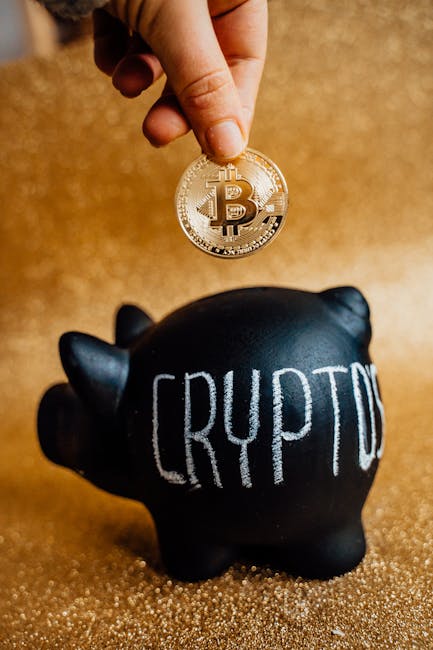
The crypto market is often seen as a haven for investors seeking an alternative to traditional finance during times of uncertainty. However, the current geopolitical climate, particularly the conflict in Iran, has led to increased volatility across the board.
Recent Market Movements
- Bitcoin: The flagship cryptocurrency has seen a decline in value, reflecting broader market trends.
- Altcoins: Many altcoins, which often follow Bitcoin's lead, have also taken a hit, erasing gains made in previous weeks.
The direct correlation between geopolitical tensions and market performance is not new. Historical instances, such as the outbreak of the war in Ukraine, have shown that uncertainty tends to drive investors toward safer assets. Cryptocurrencies, despite their decentralized nature, are still sensitive to macroeconomic factors, including political instability.
Global Economic Impact
The Iran conflict is part of a larger tapestry of global tensions which also includes trade wars and inflation concerns. The interconnectedness of markets means that a conflict in one region can have dramatic implications worldwide. In this case, rising oil prices can lead to inflationary pressures, affecting consumer spending and economic growth.
In response, investors often reassess their portfolios, leading to capital flight from riskier assets such as cryptocurrencies into more stable investments like gold or government bonds.
Impact on Investors
The current scenario presents both challenges and opportunities for investors in the cryptocurrency market.
Increased Volatility
- Risk Aversion: As geopolitical tensions rise, investors are exhibiting a marked preference for risk-averse assets, which can lead to increased volatility in cryptocurrencies. This risk aversion affects liquidity in crypto markets, as capital is reallocated to perceived safer investments.
- Short-Term Trading: Traders often react quickly to news events, which can create short-term trading opportunities but also substantial risks.
Long-Term Considerations
- Diversification: Long-term investors in crypto should consider diversification as a strategy to mitigate risks arising from geopolitical events. By spreading investments across various assets, investors can balance out potential losses in turbulent times.
- Fundamental Analysis: Understanding the underlying technology and market fundamentals of cryptocurrencies can provide insights into their potential recovery post-crisis. Projects focused on real-world utility may be better positioned to withstand external pressures.
Conclusion on Market Sentiment
The current geopolitical climate undoubtedly influences market sentiment. Investors should stay informed about global events and consider their implications for the crypto market. While short-term outlooks may be bleak, the long-term potential of cryptocurrencies remains intact, especially as more traditional investors enter the space.
Keeping an eye on macroeconomic indicators and geopolitical events will be crucial for navigating the ever-evolving landscape of cryptocurrency investing. The resilience of the crypto market has been tested before, and it will likely continue to adapt to changing global circumstances. As such, maintaining a balanced and informed investment strategy is paramount for both new and seasoned investors.
Final Thoughts
The interplay between global politics and cryptocurrency markets is complex. As the Iran conflict unfolds, investors would do well to monitor developments closely and adjust their strategies accordingly. While uncertainty can create challenges, it can also provide unique opportunities in the dynamic world of cryptocurrencies.
Key Takeaways
- The Iran conflict has led to heightened volatility in cryptocurrency markets.
- Risk aversion among investors is forcing reallocations toward safer assets.
- Long-term strategies should focus on diversification and understanding of market fundamentals.
By remaining vigilant and informed, investors can navigate the complexities of crypto investments in the face of global uncertainties.