 Go Back

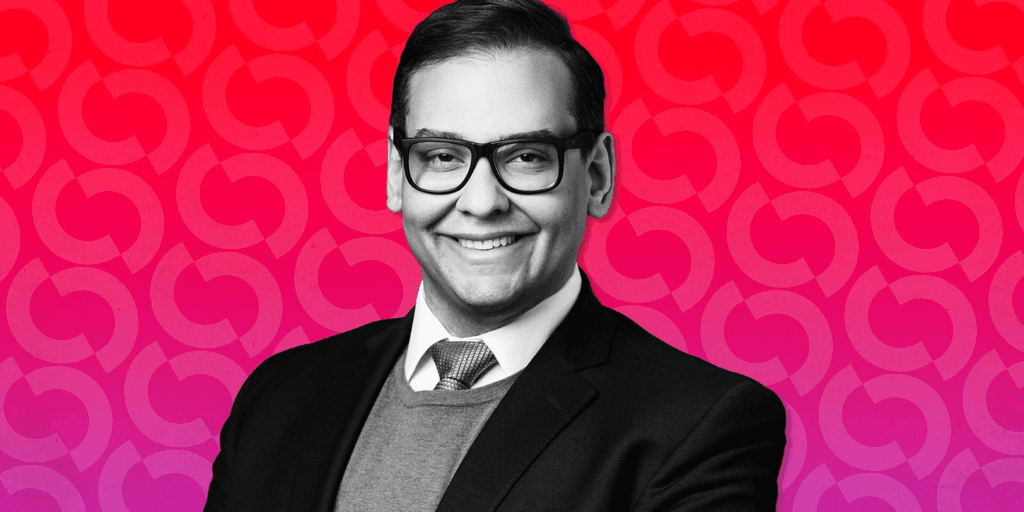
George Santos' Controversial Kalshi Trades: A Macro Perspective
The recent news surrounding George Santos, the ex-congressman who was pardoned for various legal troubles, has sent ripples through both political and financial circles. Allegations have surfaced that he engaged in betting against his own appearance at the State of the Union on Kalshi, a platform where users can trade on the outcomes of future events. This situation opens up a significant discussion on the intertwining of politics, regulations, and market behaviors, especially in a time when the crypto and financial markets are under intense scrutiny.
Quick Take
| Aspect | Details |
|---|---|
| Subject | George Santos' Kalshi trades |
| Allegation | Bet against his own State of the Union appearance |
| Regulatory Bodies | DOJ and CFTC involved |
| Market Reaction | Potential implications on event-driven trading and regulations |
The Good: Transparency and Accountability
In the wake of increasing scrutiny on trading practices, Santos’ situation brings to light the importance of transparency in both political and financial arenas. The involvement of regulatory bodies like the Department of Justice (DOJ) and the Commodity Futures Trading Commission (CFTC) highlights a commitment to holding public figures accountable for their actions, especially in speculative markets like Kalshi.
- Promoting Ethical Trading: If Santos is found culpable, it could set a precedent for ethical trading practices, particularly for lawmakers and public figures. This would serve as a reminder that their actions can significantly impact market perceptions and investor confidence.
- Regulatory Clarity: Increased scrutiny could lead to a more robust framework for event-driven trading. As platforms like Kalshi gain traction, establishing clear rules will be pivotal in safeguarding against potential market manipulations.
The Bad: Market Manipulation Risks
While transparency is crucial, Santos' case also raises concerns about the potential for market manipulation. If public figures use their influence to sway market perceptions while trading on platforms like Kalshi, it could undermine trust in both political institutions and trading platforms.
- Conflict of Interest: Santos' actions could be perceived as a conflict of interest, where he profits from his political actions rather than representing his constituents. This perception risks eroding public trust in elected officials and the democratic process.
- Impact on Event-Driven Trading: The outcome of this case might deter investors from participating in event-driven trading platforms, fearing that they could be easily manipulated by insider information.
The Ugly: A Broader Implication on Investor Sentiment
Santos' alleged actions might not just reflect on him but could also ripple through the entire trading ecosystem. Investor sentiment is sensitive to political events, and any perceived wrongdoing could trigger wider implications across markets.
- Increased Volatility: The mere association of a scandal with trading practices can lead to increased market volatility. Investors may react impulsively, leading to price swings that don’t reflect the actual value of assets.
- Long-Term Distrust: If investigations reveal systemic issues, there may be long-term ramifications on how investors perceive the integrity of trading platforms. A decline in trust could stall innovation in the space and lead to a hesitance to embrace new trading methods.
Market Context
The current landscape for trading platforms is evolving, especially as they integrate more sophisticated financial products. Kalshi, for instance, allows users to place bets on future events, blurring the lines between traditional investment and speculative trading. As more users engage with these platforms, the regulatory environment must adapt accordingly to ensure fair play and protect investors.
The ongoing discourse around Santos brings to focus the importance of having regulations that not only protect the integrity of the market but also uphold the ethical standards expected from public figures. As the CFTC and DOJ investigate, the outcome will undoubtedly influence investor behavior and the future of event-driven trading.
Impact on Investors
Investors are currently in a precarious position. The Santos allegations, while specific, could serve as a bellwether for broader concerns about ethics and integrity in trading. As custodians of capital, investors must navigate these waters carefully, weighing the potential for profit against the risks of engaging in a shaky regulatory environment.
Key Considerations for Investors:
- Stay Informed: Keeping abreast of developments regarding Santos and similar cases can help investors make informed decisions.
- Regulatory Changes: Anticipate potential regulatory changes and adapt trading strategies accordingly.
- Diversification: Given the potential volatility associated with scandals, a diversified portfolio can help mitigate risks.
Conclusion
The situation surrounding George Santos and his Kalshi trades serves as a crucial reminder of the intertwined nature of politics, ethics, and trading practices. As investigations unfold, the implications for investors, traders, and the regulatory framework will be significant. The focus should now be on fostering a transparent and accountable trading environment that prioritizes ethical behavior. Investors who understand this dynamic will be better prepared to navigate the complexities of today's markets.