 Go Back


Quick Take
| Aspect | The Good | The Bad | The Ugly |
|---|---|---|---|
| Economic Stability | Increased institutional interest | Regulatory uncertainty | High inflation risk |
| Technological Advancement | Blockchain innovation | Adoption challenges | Cybersecurity threats |
| Investor Sentiment | Growing retail interest | Market volatility | Speculative bubbles |
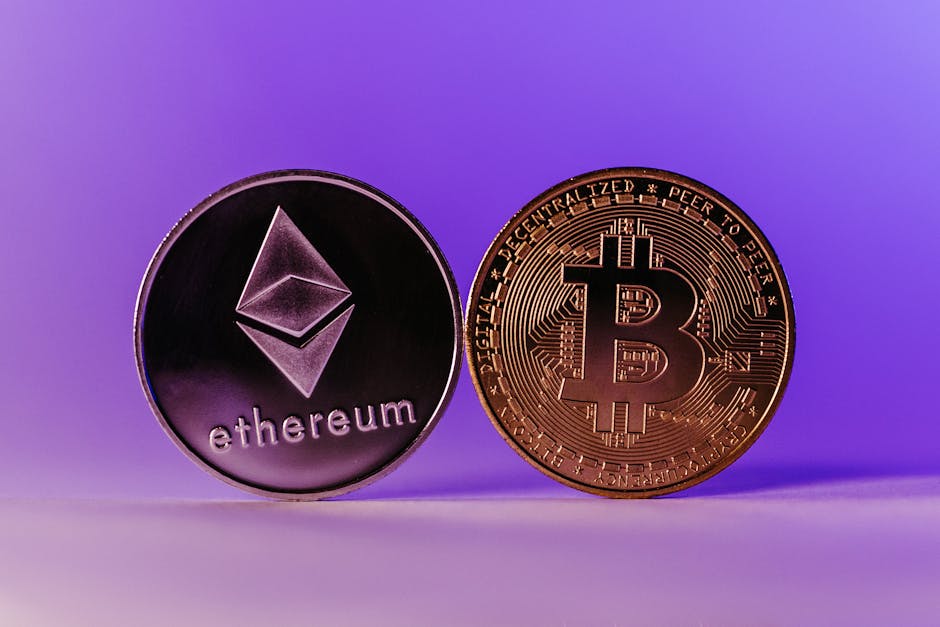
Bitcoin and other cryptocurrencies have undeniably etched their presence in the financial ecosystem. However, their trajectory doesn't exist in a vacuum; it is intricately linked to global macroeconomic trends. Understanding this relationship provides critical insights for both seasoned investors and newcomers alike. This analysis explores the good, the bad, and the ugly aspects of how global macro trends are shaping the cryptocurrency landscape.
Market Context
Economic Stability
The sanctity of economic stability has never been more crucial for Bitcoin. In recent years, we have witnessed a growing acceptance of Bitcoin by institutional investors. This trend has been bolstered by fears of inflation and the depreciating value of fiat currencies, prompting institutions to view Bitcoin as a hedge against currency devaluation. For instance, companies like MicroStrategy and Tesla have allocated substantial portions of their treasury reserves into Bitcoin, marking a significant shift in corporate treasury management.
However, this newfound interest is not without its challenges. Regulatory uncertainty looms large, posing potential barriers to mainstream adoption. Governments worldwide are still grappling with how to regulate cryptocurrencies, often leading to uncertainty that can stifle innovation and investment. The balance between fostering innovation and ensuring consumer protection is a tightrope many regulators are trying to walk.
Technological Advancement
Technological advancements within the blockchain ecosystem play a pivotal role in shaping the future of cryptocurrencies. The rise of decentralized finance (DeFi) platforms and non-fungible tokens (NFTs) showcases the versatility of blockchain technology. These platforms have drastically changed how individuals interact with finance and ownership, offering unprecedented opportunities for wealth generation. Moreover, technological improvements in blockchain scalability and security are continuously enhancing user experiences.
That said, the road to mass adoption is fraught with challenges. Issues such as high transaction fees, slow processing times, and general usability concerns can deter potential users. Additionally, the looming threat of cybersecurity breaches can undermine trust, which is vital for any financial system, be it traditional or decentralized.
Investor Sentiment
Investor sentiment is a critical driving force in the cryptocurrency market. The growing interest from retail investors, who are increasingly turning to Bitcoin as a means of diversifying their portfolios, is a positive sign. Social media platforms and communities dedicated to cryptocurrency have created a sense of belonging, encouraging new participants to enter the market.
However, the volatility inherent in cryptocurrencies can lead to speculative bubbles. The rapid rise and fall in prices often attract short-term traders looking to capitalize on swings, which can result in erratic market behavior. Such volatility can dissuade long-term investments, particularly from conservative investors who prefer stability over speculation.
Impact on Investors
For investors, the current macroeconomic environment presents a double-edged sword.
The Good
- Diversification: Bitcoin and other cryptocurrencies offer a new asset class for portfolio diversification. Investors can hedge against traditional market downturns, especially in an inflationary environment.
- Potential High Returns: The history of Bitcoin showcases its potential for astronomical returns compared to traditional assets, drawing in risk-tolerant investors.
The Bad
- Regulatory Risks: The evolving regulatory landscape means that changes can happen rapidly, potentially impacting prices and the legality of various crypto activities.
- Market Volatility: The inherent volatility of cryptocurrencies can lead to significant losses for investors who are not prepared for sharp downturns.
The Ugly
- Security Threats: Cybersecurity remains a significant concern, with high-profile hacks and scams tarnishing the reputation of the crypto industry.
- Speculation and Bubbles: The cycle of rapid price increases followed by sharp declines can lead to investor frustration and disillusionment.
Conclusion: A Long-Term Perspective
As we navigate the complexities of the global macroeconomic landscape, understanding the intertwined paths of cryptocurrency and traditional finance is crucial. Investors need to remain vigilant, informed, and adaptable to the changes that lie ahead. The good, the bad, and the ugly elements of this evolving market underscore the need for a nuanced approach to investment in cryptocurrencies. While the potential for growth is significant, one must tread carefully as the landscape continues to evolve and mature.
Staying informed about macroeconomic trends and their implications is vital for anyone looking to engage with Bitcoin and other cryptocurrencies in the coming years. As history has shown, the cryptocurrency market is as much about market psychology as it is about technology and economics.