 Go Back


Global Macroeconomic Context: Crypto's Role in 2026 and Beyond
Quick Take
| Indicator | Current Status | Potential Impact |
|---|---|---|
| Inflation Rate | High and Stable | Pressuring Fed Policies |
| Interest Rates | Increasing | Capital Flight to Crypto |
| Tech Adoption | Mainstream | Growing DeFi Solutions |
| Regulatory Frameworks | Evolving | Creating Clarity |
| Market Sentiment | Mixed | Volatility Ahead |
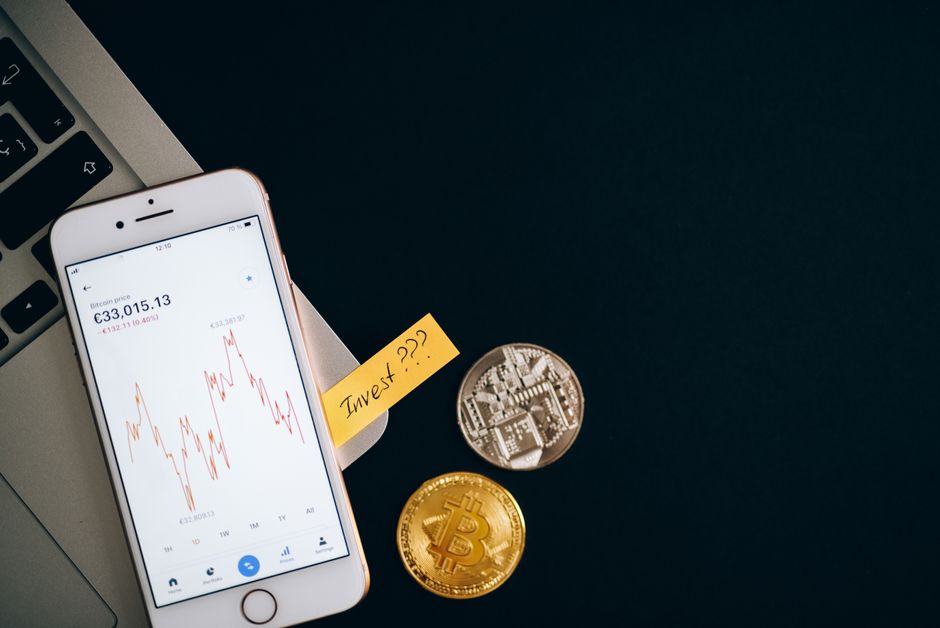
As we approach the latter half of 2026, the cryptocurrency landscape is being profoundly influenced by global macroeconomic factors. The ongoing economic fluctuations, inflationary pressures, and evolving regulatory frameworks are reshaping how crypto assets are perceived, traded, and utilized. This blog post delves into the good, the bad, and the ugly aspects of cryptocurrency in the current economic environment, while offering a comprehensive view for investors looking for deeper insights.
The Good: Opportunities for Growth
The current economic climate has given rise to several positive implications for cryptocurrency. As fiat currencies continue to face inflationary pressures, many investors are seeking refuge in digital assets. Here are some of the key positives:
Rising Demand for Digital Assets
- Inflation Hedge: Cryptocurrencies like Bitcoin are increasingly seen as a hedge against inflation. Historically, Bitcoin has demonstrated a tendency to retain value over the long term, making it an attractive option for risk-averse investors.
- Institutional Adoption: Major financial institutions are increasingly integrating crypto into their portfolios. In 2026, we have seen a significant uptick in Bitcoin ETFs and crypto funds, attracting institutional capital and lending legitimacy to the market.
- Technological Advancements: Innovations in blockchain technology are leading to more efficient transactions and new use cases, particularly within the DeFi (Decentralized Finance) sector, which has seen exponential growth.
The Bad: Challenges Ahead
While the outlook for cryptocurrency appears bright, several challenges could pose significant risks to market stability.
Regulatory Uncertainty
- Government Policies: The regulatory landscape for cryptocurrencies is still evolving. In 2026, governments are grappling with how to regulate digital assets, leading to uncertainty that can impact market sentiment and investment.
- Taxation Issues: As more countries assess how to tax cryptocurrencies, investors may face unexpected tax liabilities, which could deter some from entering the market or holding onto their assets.
Market Volatility
- Speculative Bubble Risks: The rapid rise in cryptocurrencies has led to speculation, with many warning of a potential bubble. If prices fall sharply, it could lead to panic selling and diminished investor confidence.
- Liquidity Concerns: During periods of high volatility, liquidity can dry up, making it difficult for investors to enter or exit positions without incurring heavy losses.
The Ugly: Long-term Implications
Understanding the potential negative ramifications of current trends is crucial for investors who want to navigate the turbulent waters of cryptocurrency.
Economic Downturn Risks
- Recession Fears: If the global economy slides into a recession, risk assets, including cryptocurrencies, may suffer. History shows that during economic downturns, investors typically pull back from speculative assets, favoring cash and safer investments.
- Debt Concerns: As governments accumulate debt to combat inflation and stimulate economies, the long-term implications could include currency devaluation, further propelling investors toward cryptocurrencies.
Market Context
The intersection of these factors creates a complex market context. Notably:
- Inflation remains a primary concern, with central banks worldwide reacting with interest rate hikes. Increased interest rates often lead to capital flight, diverting funds into perceived safe havens like cryptocurrencies.
- The tech sector is thriving, and mainstream adoption of blockchain technology is facilitating the growth of decentralized applications and smart contracts, which could drive demand for crypto in the long-term.
Impact on Investors
For investors, these dynamics present both opportunities and risks:
- Diversification: Given the unpredictable nature of the current economy, having a diversified portfolio that includes cryptocurrencies can serve as a buffer against traditional market volatility.
- Informed Decision-Making: Investors should remain informed about regulatory developments and macroeconomic indicators. Understanding these factors can help mitigate risks associated with sudden market shifts.
Conclusion
The macroeconomic context of 2026 highlights a pivotal moment for cryptocurrencies. With a blend of challenges and opportunities, savvy investors who remain informed and adaptive can navigate this evolving landscape effectively. As history has shown, the intersection of macroeconomic trends and technological innovation will continue to shape the future of digital assets.
Tags
- Cryptocurrency
- Macro Economics
- Bitcoin
- DeFi
- Market Trends