 Go Back


Introduction
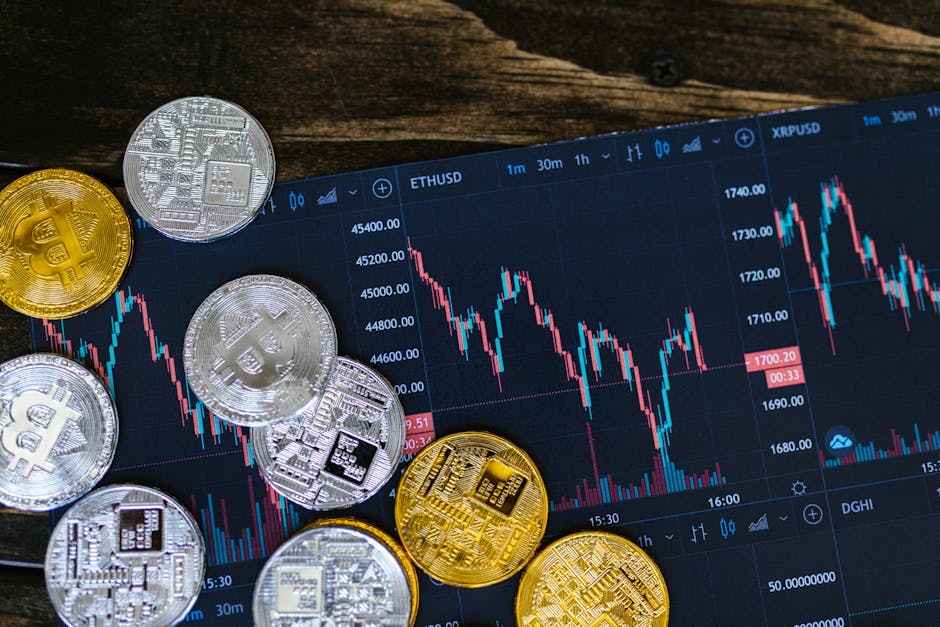
As the landscape of cryptocurrency continues to evolve, the interplay between global macroeconomic factors and digital assets presents a complex narrative for investors. The recent news highlights the ongoing dialogues surrounding economic trends, effectively setting the stage for a deeper understanding of how these elements can influence the crypto market.
Quick Take
| Key Points | Details |
|---|---|
| Economic Stability | Global macroeconomic factors influence crypto prices. |
| Investor Sentiment | Changes in the economy affect market behavior. |
| Regulatory Environment | Policies can either bolster or hinder growth. |
| Technology Adoption | Innovation fuels market expansion and stability. |
Market Context
Current Economic Climate
The global economy is experiencing a dynamic phase characterized by inflationary pressures, supply chain disruptions, and shifting monetary policies. Central banks worldwide are grappling with the trade-off between controlling inflation and stimulating growth. Notably, the U.S. Federal Reserve has implemented a series of interest rate hikes aimed at curbing inflation, which has ripple effects across various asset classes, including cryptocurrencies.
Given that cryptocurrencies are often seen as hedges against inflation, their prices can be significantly affected by macroeconomic conditions. When inflation is high, investors might flock to cryptocurrencies like Bitcoin as a store of value. Conversely, tightening monetary policy may lead to decreased liquidity in the markets, impacting crypto prices negatively.
Correlation with Traditional Markets
Recent trends indicate a growing correlation between cryptocurrency markets and traditional equities. The S&P 500's performance can provide insights into potential cryptocurrency movements. As seen throughout the last few years, significant downturns in the stock market have often coincided with declines in crypto prices, suggesting that investor sentiment across both markets is increasingly intertwined.
Investment Trends and Strategies
Investors are adapting their strategies in response to these macroeconomic shifts. Many are diversifying their portfolios by including a mix of cryptocurrencies, stablecoins, and traditional assets to mitigate risks. This trend highlights the increasing recognition of digital assets as a vital component of modern investment strategies.
Impact on Investors
Long-term Outlook
The future of cryptocurrency investment will largely depend on how macroeconomic trends evolve. Here are a few potential scenarios:
- Continued Inflation: If inflation remains persistent, cryptocurrencies may see continued interest as alternatives to traditional fiat currencies, potentially driving prices higher.
- Regulatory Scrutiny: As governments worldwide ramp up their regulatory frameworks, investor confidence could either be bolstered by clear guidelines or diminished by restrictive measures, impacting market dynamics.
- Technological Advancements: Innovations such as smart contracts and decentralized finance (DeFi) platforms are likely to play a crucial role in shaping the industry. Increased adoption of blockchain technology by traditional financial institutions may also enhance market legitimacy and investor confidence.
Risk Management
Investors must remain vigilant about the inherent volatility associated with cryptocurrencies. Understanding the macroeconomic environment is essential for developing effective risk management strategies. By keeping an eye on inflation rates, interest rate adjustments, and geopolitical tensions, investors can make more informed decisions about entering or exiting positions in the crypto market.
Conclusion
The link between global macroeconomic conditions and cryptocurrency performance is becoming increasingly significant. As economic dynamics evolve, so too will opportunities within the crypto space. Investors who stay informed and adaptable can navigate the complexities of these markets while positioning themselves for potential growth.
Final Thoughts
The crypto market is at a crossroads, influenced heavily by external economic factors. By understanding these interconnections, investors can better anticipate market movements and make strategic decisions that align with their long-term financial goals. With this in mind, remaining engaged with ongoing economic developments will be crucial for anyone involved in the cryptocurrency ecosystem.