 Go Back


Analyzing Global Macroeconomic Trends in Crypto at Consensus Miami
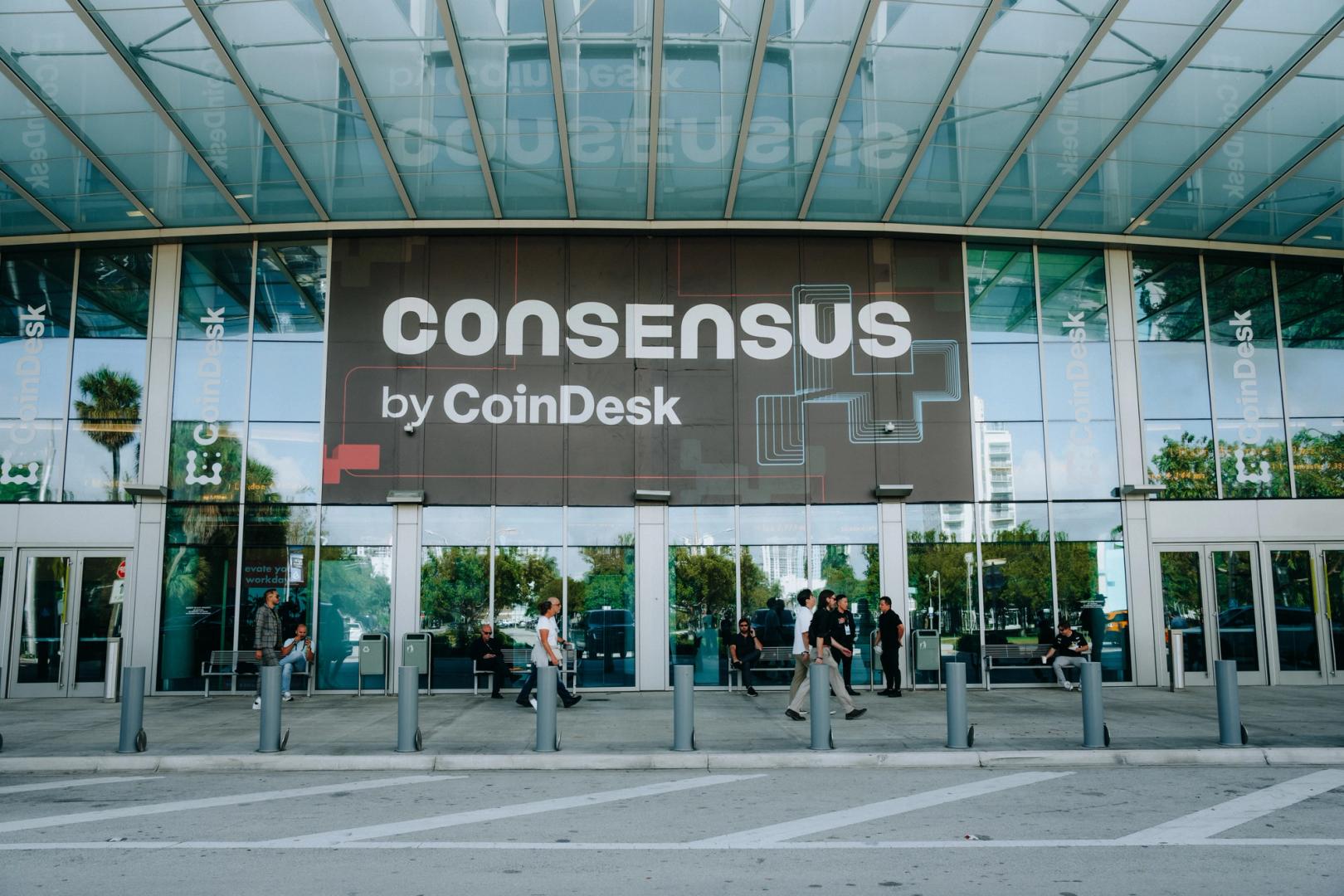
The recent Consensus Miami event showcased a whirlwind of discussions surrounding the evolving landscape of cryptocurrency regulation and its implications on the global macroeconomic stage. As policymakers, industry leaders, and crypto enthusiasts gathered, it became evident that the intersection of traditional finance and blockchain technology is set to reshape our economic future.
Quick Take
| Key Highlights from Consensus Miami 2026 |
|---|
| Focus on Regulation: Increased calls for clarity in crypto regulations. |
| Economic Impact: Predictions of crypto's influence on global markets. |
| Technological Advances: Emphasis on AI and blockchain integration. |
| Investor Sentiment: Growing recognition of crypto as a legitimate asset class. |
Market Context
The macroeconomic landscape continues to unfold with complexities stemming from various factors, including inflation, global trade tensions, and the rise of digital assets. At Consensus Miami, experts pointed out that the current volatility in traditional markets may be steering investors towards cryptocurrencies as a hedge against economic uncertainty.
- Inflation Rates: With inflation rates soaring, central banks are grappling with the need to stabilize economies. Cryptocurrencies, particularly Bitcoin, have been referred to as a 'digital gold' during such times, prompting increased interest.
- Geopolitical Risks: Continuous geopolitical tensions have stimulated a shift in how value is perceived across borders. Crypto's borderless nature allows for a decentralized approach to wealth management, appealing to those wary of traditional systems.
- Interest Rates: The Federal Reserve's interest rate policies heavily influence market dynamics. As rates remain volatile, investors are searching for alternative assets that provide potential yield outside conventional avenues.
Impact on Investors
As the digital landscape evolves, so too does the investor profile within it. The outcomes from Consensus Miami signify notable shifts in investor sentiment, particularly regarding the legitimacy and potential of cryptocurrencies.
- Increased Institutional Interest: Major financial institutions are now allocating resources towards cryptocurrency investments. Insights from the conference highlighted how institutions are adapting strategies to incorporate crypto into their portfolios, indicating a growing recognition of its potential.
- Long-Term Strategies: Many investors at the event voiced the necessity for long-term investment strategies amid short-term market fluctuations. This reflects a shifting perspective towards viewing cryptocurrencies not just as speculative assets, but as integral components of future financial systems.
- Diversification: Investors now consider cryptocurrencies as a means to diversify portfolios. With the ongoing economic uncertainty, digital assets offer a unique avenue for risk management.
The Future of Crypto Regulation
Regulatory clarity remains a pivotal theme in the crypto ecosystem. The discussions at Consensus Miami reveal a crucial turning point in how regulatory bodies are approaching digital assets:
- Unified Global Standards: There is an emerging consensus that global coordination on cryptocurrency regulations could create a more stable environment for both investors and businesses.
- Consumer Protection: As adoption increases, so does the emphasis on consumer protection. Regulations that safeguard against fraud while promoting innovation could lead to a more favorable environment for growth.
- Tax Implications: The conference also touched on the potential for harmonizing tax regulations for crypto transactions, which could simplify compliance and encourage broader participation in the market.
Conclusion
The discussions at Consensus Miami encapsulate a significant juncture for the cryptocurrency industry, where macroeconomic factors, regulatory frameworks, and investor behaviors converge. As the landscape continues to evolve, the insights gleaned from these discussions will likely influence the direction of not only crypto but the broader financial ecosystem. The coming years will be pivotal as the industry adapts to new challenges and opportunities, ultimately shaping the future of finance.
Tags
- Cryptocurrency
- Regulation
- Macroeconomics
- Investor Trends
- Consensus Miami