 Go Back


Exploring Global Portfolios: Robinhood's Vision for Investors
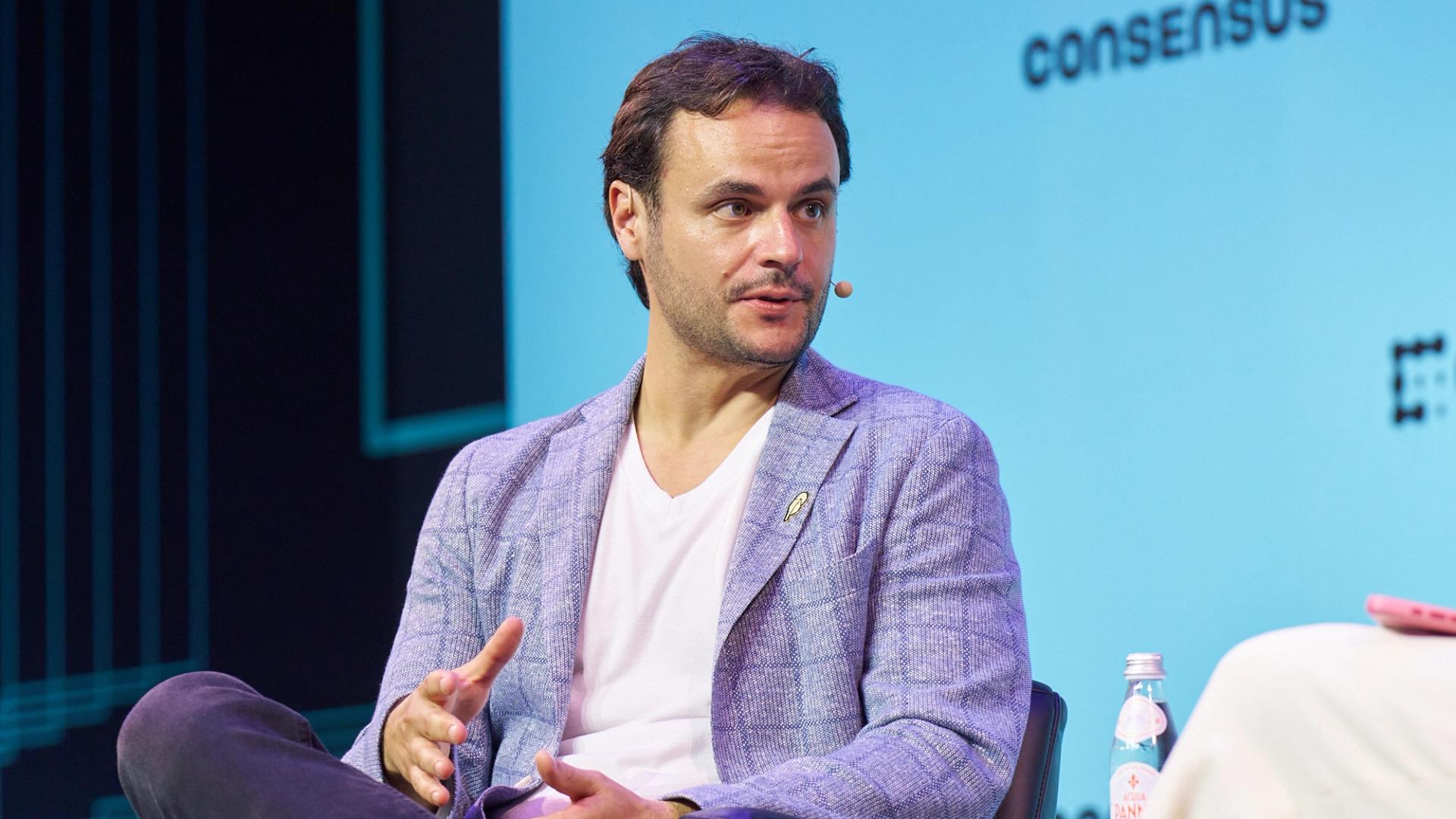
As demand for U.S. stocks continues to rise, particularly from overseas investors, Robinhood’s senior vice president, Johann Kerbrat, suggests a strategic pivot toward global portfolios. This recommendation is not merely a reflection of market trends but a broader indication of how the trading landscape is evolving in response to technology and regulation.
Quick Take
| Key Trends | Description |
|---|---|
| Tokenization | Digital representation of assets, enhancing liquidity. |
| 24-Hour Trading | Increased trading flexibility for global investors. |
| Regulatory Changes | Easing restrictions facilitating broader access. |
Why is there a rising demand for U.S. stocks?
The allure of U.S. equities has long been recognized, attributed to the robust performance of American companies and the relative stability of the U.S. economy. However, in recent years, this interest has surged, propelled by several factors:
- Global Economic Recovery: As economies worldwide emerge from the shadows of the pandemic, investors are looking for stable, growth-oriented investments in U.S. markets.
- Technological Advancements: The rise of trading platforms like Robinhood has democratized access to stock trading, allowing overseas investors to easily purchase U.S. stocks.
- Interest Rate Dynamics: With many global markets experiencing low or negative interest rates, U.S. equities present a more attractive opportunity for yields compared to other regions.
Market Context
The concept of global portfolios is gaining traction as investors recognize that diversification can mitigate risk and enhance returns. Kerbrat’s advocacy for global portfolios highlights a critical shift in how investment strategies are being constructed:
- Tokenization: This innovative approach allows for the fractional ownership of assets, making it easier for investors to diversify their holdings without the heavy capital outlay traditionally required. Tokenization can apply to everything from real estate to art, and its emergence is revolutionizing how we conceive of ownership.
- 24-Hour Trading: Global markets operate on various time zones, and with advancements in trading technology, investors can now trade around the clock. This flexibility not only maximizes opportunities but also aligns more closely with the lifestyles and needs of the contemporary investor.
- Regulatory Changes: As international regulatory frameworks begin to align more closely with the needs of global investors, barriers to entry are being lowered. This is particularly significant for retail investors who historically faced challenges in accessing foreign markets.
Impact on Investors
Investors should take note of several implications stemming from this shift towards global portfolios:
- Diversified Strategies: With access to global markets, investors can create diversified portfolios that buffer against regional economic downturns. By investing in a mix of U.S. and international equities, investors spread their risk across various market conditions.
- Informed Decision-Making: As trading becomes more transparent and accessible, investors need to stay informed about global economic indicators, regulatory developments, and market trends that can impact their portfolios.
- Cost Considerations: Although more access means more opportunities, it also means investors must be mindful of transaction costs and tax implications associated with international trading. Understanding these factors can lead to more effective portfolio management.
Looking Ahead
As the demand for U.S. stocks rises globally, the investment landscape will likely continue to evolve. The intersection of technology, regulatory changes, and investor behavior suggests that a more interconnected financial world is on the horizon.
- Potential Risks: While global investing offers benefits, it does come with its own set of risks, including currency fluctuations and geopolitical factors. Investors must weigh these risks against potential rewards.
- Future Trends: The ongoing evolution of financial technology could further enhance global trading capabilities, making it even easier for investors to engage with U.S. equities and beyond. Innovations in AI and machine learning could also provide investors with better analytics for making informed decisions.
In summary, as Robinhood's Johann Kerbrat emphasizes the importance of global portfolios, investors are encouraged to broaden their horizons. With the convergence of technology and regulatory shifts, the landscape for investment has never been more promising, albeit challenging.
Engaging with a global portfolio strategy may well be the key to unlocking new potential in an increasingly interconnected world.