 Go Back


Quick Take
| Key Points | Details |
|---|---|
| Current Trend | Christians increasingly investing in Bitcoin |
| Motivations | Belief in Bitcoin’s potential, ethical considerations |
| Market Context | Favorable macroeconomic conditions for crypto growth |
| Risks | Volatility of cryptocurrency markets |
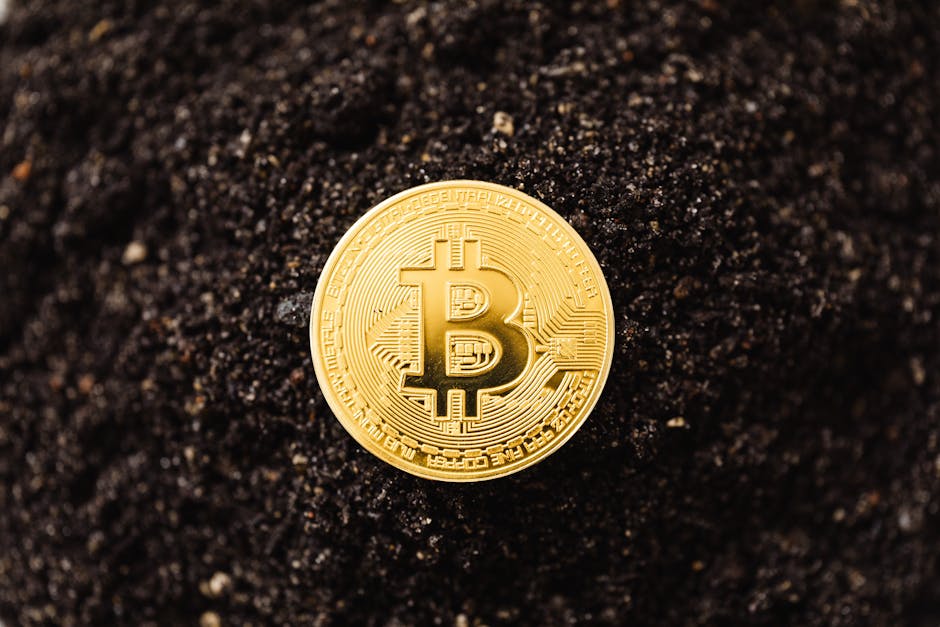
The rise of cryptocurrency, particularly Bitcoin, has taken a significant turn as certain religious communities, notably some Christians, have begun to embrace digital currencies. This trend is not merely a financial decision; it intertwines faith, values, and a vision of the future. This blog post will explore this unique intersection of faith and finance, with a focus on the good, the bad, and the ugly of this phenomenon.
The Good
Ethical Investment Perspectives
For many Christians, investing in Bitcoin symbolizes a broader commitment to financial independence and ethical stewardship. Some adherents believe that Bitcoin can serve as a tool for social good, aligning with their values of charity and community support. The decentralized nature of cryptocurrency is seen as a way to circumvent traditional banking systems, which some view as exploitative.
Financial Opportunities
The financial landscape has shifted considerably in recent years. With inflation rising and traditional assets becoming increasingly volatile, Bitcoin has emerged as a potential hedge against economic uncertainty. Many Christians see the asset as a vehicle for long-term wealth creation, thus enabling them to provide for their families and, importantly, support charitable causes aligned with their beliefs.
Community Building
Investing in Bitcoin is often accompanied by a sense of community among believers. Online forums and local meetups foster connections between like-minded individuals. This sense of belonging and shared purpose can enhance both the investment experience and individual faith journeys.
The Bad
Market Volatility
Despite the potential benefits, the inherent volatility of cryptocurrency markets poses risks. Prices can swing wildly in short periods, leading to significant losses. For new investors, this unpredictability can be intimidating, especially for those who may not have experience with financial markets.
Potential Misalignment with Values
Some critics within religious communities argue that the speculative nature of Bitcoin contradicts the principles of faith. They express concerns that investing heavily in a volatile asset might lead individuals away from their core values of trust and community, prioritizing wealth accumulation over spiritual growth.
Regulatory Risks
As governments around the world begin to grapple with how to regulate cryptocurrencies, potential repercussions loom over investors. New regulations could alter the landscape for Bitcoin, affecting its accessibility and value. This uncertainty can deter potential investors who may fear government intervention.
The Ugly
Scams and Fraud
The cryptocurrency space is infamous for its susceptibility to scams and fraudulent schemes. Unsuspecting investors, drawn in by the promise of high returns, can quickly find themselves exploited. Faith-based investors are not immune to such risks, raising concerns about the ethical implications of investing in an industry where scams are prevalent.
Environmental Concerns
Another pressing issue is the environmental impact of Bitcoin mining, which requires substantial energy consumption. Some Christians may find it morally conflicting to support an asset class associated with significant ecological harm, raising questions about stewardship of the planet.
Market Context
The current macroeconomic landscape is conducive to cryptocurrency investments. As traditional markets struggle with inflation and geopolitical tensions, many turn to Bitcoin as a store of value. The decentralized nature of Bitcoin offers an attractive alternative in times of economic uncertainty, positioning it as a potential safe haven for those seeking financial security.
Global Economic Trends
The global economy is witnessing unprecedented challenges, with supply chain disruptions and rising prices impacting consumers worldwide. Cryptocurrencies are increasingly perceived as a hedge against these trends. As central banks continue to implement loose monetary policies, the appeal of a deflationary asset like Bitcoin grows stronger.
Impact on Investors
For Christians venturing into the world of Bitcoin, the impact is multifaceted.
- Financial Empowerment: Many see Bitcoin as a path to financial empowerment that aligns with their values of hard work and ethical investment.
- Informed Decision-Making: As more believers enter the space, the demand for educational resources around cryptocurrency is likely to rise, fostering informed decision-making.
- Community and Faith Integration: The interplay between investment strategies and faith-based principles could lead to a new form of community engagement focused on financial literacy and support for charitable causes.
In summary, the growing interest of some Christians in Bitcoin reflects a larger trend where faith converges with financial opportunity. While there are numerous benefits to this approach, investors must also navigate the complexities and risks inherent in the crypto market. As this intersection evolves, it will be fascinating to observe how faith and finance continue to influence one another in the coming years.