 Go Back


God and Bitcoin: The Intersection of Faith and Cryptocurrency
Quick Take
| Topic | Insight |
|---|---|
| Emerging Trend | Increasing interest from religious communities in cryptocurrency as a financial tool. |
| Key Motivation | Seeking financial stability and alignment with personal beliefs. |
| Historical Context | The role of faith in economic decision-making throughout history. |
| Potential Risks | Market volatility and theological implications of financial speculation. |
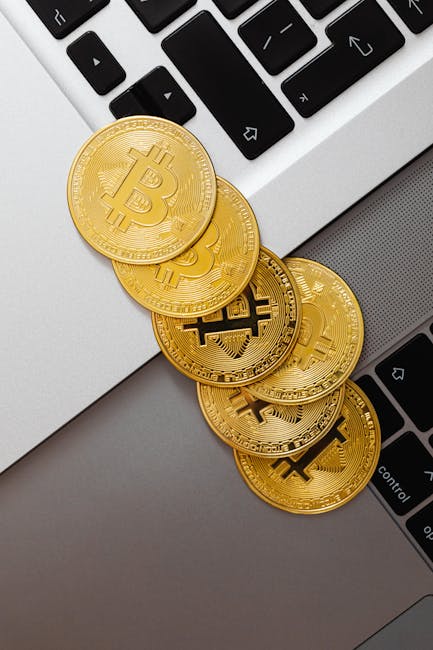
As the cryptocurrency landscape continues to evolve, an intriguing trend is emerging: the intersection of faith and digital currencies. Specifically, some Christians are embracing Bitcoin, seeing it not merely as a financial asset but as a profound component of their spiritual and economic lives. This convergence raises essential questions about the motivations behind this trend and its implications for both religious values and financial practices.
Why Are Some Christians Embracing Bitcoin?
The movement towards Bitcoin adoption among Christians is largely driven by a quest for financial autonomy and a means of aligning their investments with their values. Many believers perceive Bitcoin as a form of decentralized currency that stands in stark contrast to traditional financial systems often viewed as corrupt or unstable.
1. Financial Stability in Uncertain Times
The global economy has faced unprecedented challenges in recent years, from inflationary pressures to geopolitical tensions. In such uncertain times, Bitcoin has become a beacon of hope for many seeking to secure their wealth against traditional market fluctuations. Its limited supply and decentralized nature appeal to those who prioritize financial prudence and independence.
2. Alignment with Ethical Values
Some Christians view Bitcoin as a means of financial empowerment that aligns with their ethical beliefs. They see the currency as an opportunity to support philanthropic efforts and community initiatives without the risks associated with fiat currencies. By adopting Bitcoin, they believe they can contribute to a more equitable financial ecosystem.
Market Context
To understand the appeal of Bitcoin among Christians, it’s essential to contextualize the broader market environment. Bitcoin, as the first cryptocurrency, has exhibited significant growth and volatility since its inception in 2009. As of late 2023, Bitcoin has matured into a robust financial asset, attracting both institutional and retail investors.
Historical Context of Faith in Finance
Historically, financial decisions have deeply intertwined with faith. Across different cultures and religions, moral and ethical considerations have influenced economic choices. From the biblical admonition against usury to modern-day calls for ethical investing, the relationship between faith and finance has evolved considerably.
Bitcoin’s decentralized model resonates with certain Christian values, such as stewardship, transparency, and community support. The technology underlying Bitcoin—blockchain—offers transparency and traceability, aligning with the principles of accountability and ethical governance.
Impact on Investors
The adoption of Bitcoin by religious communities can have several implications for both investors and the cryptocurrency market as a whole.
1. Diversification of Investor Base
The influx of faith-based investors can diversify the cryptocurrency market, potentially leading to more stable demand. Engaging with this demographic might also provide a new narrative for Bitcoin, framing it as not just a speculative asset but also a viable tool for financial stewardship.
2. Ethical Investment Opportunities
As more individuals seek to invest in alignment with their values, opportunities for ethical investment products may arise. This could include cryptocurrencies designed explicitly for charitable purposes or those certified by religious organizations to meet ethical standards.
3. Regulatory Considerations
The intersection of religion and finance often invites scrutiny from regulators. Should significant numbers of religious communities adopt Bitcoin as a standard practice, regulatory bodies may adapt their frameworks to address the unique considerations of faith-driven investors, potentially leading to a more robust regulatory environment.
Conclusion
The growing interest in Bitcoin among Christians illustrates a broader trend of seeking alignment between faith and financial decisions. As individuals grapple with the complexities of modern economies, the adoption of cryptocurrencies can be seen as both a practical response to economic uncertainty and a philosophical commitment to ethical financial practices. For investors, understanding these shifts can reveal new opportunities and challenges in the ever-evolving landscape of digital currencies.
In a world where financial decisions increasingly reflect personal beliefs and values, the intersection of faith and cryptocurrency may redefine how we view engagement with money, investment, and community.
Tags
- Bitcoin
- Cryptocurrency
- Faith and Finance
- Ethical Investments
- Financial Independence