 Go Back

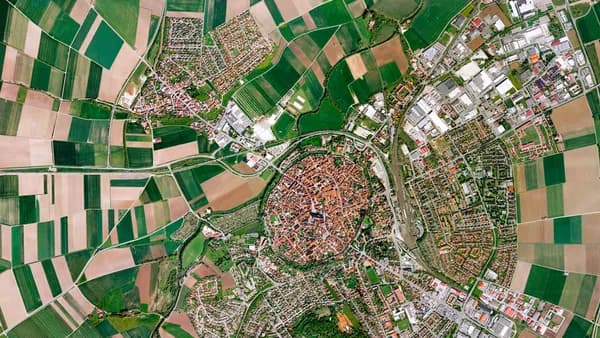
Google Earth AI: A Game Changer for Global Public Health
In an age where technology is increasingly integrated into various sectors, the intersection of artificial intelligence (AI) and global public health presents an unprecedented opportunity. Google Earth AI has emerged as a significant player, aiding health communities in predicting outbreaks and delivering proactive care. This blog post will examine the implications of this technology, analyzing both the positive and negative impacts on public health, as well as the broader economic context.

Quick Take
| Aspect | Description |
|---|---|
| Technology | Google Earth AI |
| Application | Predicting outbreaks, proactive health care |
| Impact | Improved response to health crises |
| Challenges | Data privacy, accessibility |
| Future Outlook | Expanding use in various health sectors |
The Good: Enhancing Predictive Capabilities
Google Earth AI leverages satellite imagery and machine learning algorithms to analyze vast amounts of data relevant to public health. This capability allows health officials to identify patterns in disease outbreaks, enabling more effective responses. For instance, during the COVID-19 pandemic, timely data on population movement and density helped authorities make informed decisions about resource allocation and prevention measures.
Moreover, the technology's ability to map and visualize environmental factors such as weather patterns, vegetation health, and urbanization plays a crucial role in understanding the potential for disease spread. By identifying high-risk areas before outbreaks occur, health organizations can implement proactive measures, such as vaccination campaigns or health education initiatives, thus saving lives and resources.
The Bad: Challenges and Limitations
Despite its remarkable potential, Google Earth AI does not come without challenges. One primary concern is data privacy. The collection and analysis of geographical and demographic data can inadvertently lead to privacy violations if not adequately managed. Striking a balance between utilizing data for health benefits while respecting individual privacy rights is paramount.
Additionally, the accessibility of this technology poses concerns—particularly in lower-income countries that may lack the infrastructure or resources to implement such advanced systems. As a result, there exists a risk of exacerbating health disparities between wealthier and poorer nations.
The Ugly: Ethical Considerations
The use of AI in healthcare raises significant ethical questions. Who owns the data collected? How do we ensure that vulnerable populations are not marginalized or exploited? Furthermore, the deployment of AI technologies can lead to over-reliance on algorithms, which may overlook the human factors critical in health care. The reliance on AI-generated insights necessitates careful oversight to prevent inappropriate responses to public health crises, which could lead to catastrophic consequences.
Market Context
The integration of AI into public health is rapidly expanding, reflecting a broader trend within the tech industry. The global AI in healthcare market was valued at approximately $6.7 billion in 2020 and is projected to reach around $107.0 billion by 2028, growing at a CAGR of 44.5% during this period.
As governments and organizations seek innovative solutions to persistent health crises, technologies like Google Earth AI are positioned at the forefront of this market. The intersection of AI and public health not only signifies a technological evolution but represents a necessary advancement to address the complexities of modern health challenges.
Impact on Investors
Investors focusing on the healthcare and technology sectors should pay attention to innovations like Google Earth AI, as they signify potential growth areas. As health crises continue to evolve, the demand for predictive technologies will rise. Companies that successfully integrate AI into their public health strategies may offer lucrative investment opportunities.
Such advancements can lead to improved healthcare outcomes, ultimately reducing costs associated with disease management and healthcare provision. Understanding the long-term implications of these technologies will be crucial for investors seeking to navigate the evolving landscape of the healthcare market.
Conclusion
Google Earth AI presents a unique opportunity to enhance global public health through predictive analytics and proactive care strategies. While the potential benefits are significant, the accompanying challenges will require careful management to ensure ethical deployment and equitable access. As this technology continues to develop, its impact on both public health and the economy will be critical to monitor. Stakeholders, including investors, policymakers, and health organizations, must work collaboratively to harness its power for the greater good while addressing the ethical and practical concerns it raises.