 Go Back

Introduction
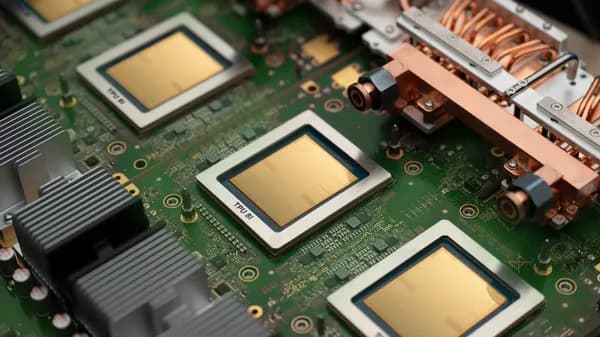
In a bold move that underscores the pivotal role of artificial intelligence in shaping future technologies, Google has announced the launch of its eighth generation of Tensor Processing Units (TPUs). These specialized chips are set to revolutionize the landscape of AI, promising increased efficiency and capability. As the race for AI supremacy intensifies, understanding the implications of such advancements on the global macroeconomic context is essential.

Quick Take
| Key Points | Details |
|---|---|
| Technology Release | Google TPU 8th Generation |
| Specialization | Focus on agentic AI applications |
| Market Impact | Potential to change AI landscape |
| Global Economic Context | AI as a driver of innovation and growth |
SWOT Analysis of Google’s TPU Launch
Strengths
- Innovative Technology: Google’s latest TPUs are designed to handle complex AI models more efficiently than their predecessors, facilitating faster data processing and machine learning capabilities.
- Market Leadership: Google’s position as a leader in cloud and AI technologies grants them a substantial competitive advantage, allowing them to attract businesses looking to leverage AI for growth.
- Strategic Partnerships: The launch may foster new partnerships with businesses and organizations eager to utilize advanced AI capabilities, enhancing Google's ecosystem.
Weaknesses
- Dependence on Cloud Infrastructure: The heavy reliance on cloud-based solutions may alienate certain customers who prefer on-premises options due to data privacy concerns.
- High Development Costs: Continuous investment in cutting-edge technology necessitates significant capital, which could strain resources if returns do not meet expectations.
Opportunities
- Market Expansion: The growing demand for AI solutions across industries presents numerous opportunities for Google to expand its market reach.
- Innovative Applications: The new TPUs can drive advancements in various sectors, including healthcare, finance, and autonomous vehicles, further embedding AI into everyday life.
- Sustainable AI: By optimizing energy consumption and processing efficiency, Google can position itself as a leader in sustainable AI development.
Threats
- Intense Competition: Competitors like Amazon Web Services and Microsoft Azure are also investing heavily in AI technologies, which could limit Google’s market share if they cannot maintain their lead.
- Regulatory Challenges: As AI technology evolves, so too will the regulations that govern it. Potential regulations could impact the deployment and use of AI solutions, affecting Google’s operations.
Market Context
The release of Google’s eighth-generation TPU occurs against the backdrop of a rapidly evolving AI landscape. The demand for artificial intelligence across various sectors has surged, driven by the need for enhanced efficiency and innovative solutions. In the past few years, we have witnessed significant strides in AI capabilities, from natural language processing to image recognition and predictive analytics.
As organizations increasingly seek to integrate AI into their workflows, the role of specialized hardware like TPUs becomes crucial. These chips are designed to accelerate machine learning tasks, enabling companies to deploy AI solutions more effectively. Google’s advancements in this area signal a robust commitment to maintaining its leadership position within the AI sector.
Impact on Investors
The introduction of advanced TPUs is likely to have a multifaceted impact on investors. Here are several key considerations:
- Investment in AI Stocks: With Google at the forefront of AI technology, investors may view this launch as a positive signal, potentially driving up the stock prices of AI-related companies.
- Sectorial Growth: The expansion of AI capabilities may lead to growth in various sectors, providing investment opportunities in industries that leverage these advancements.
- Caution and Volatility: The technology sector is characterized by rapid changes and volatility; investors should be prepared for fluctuations in stock prices related to technological adoption and competition.
Conclusion
Google's launch of its eighth-generation TPU represents not only a significant technological advancement but also a strategic maneuver in the broader context of AI's role in the global economy. As businesses and investors alike adapt to these changes, the implications of such innovations will be felt across multiple sectors. By understanding the strengths, weaknesses, opportunities, and threats presented by this development, stakeholders can better navigate the evolving landscape of artificial intelligence and its economic ramifications.