 Go Back

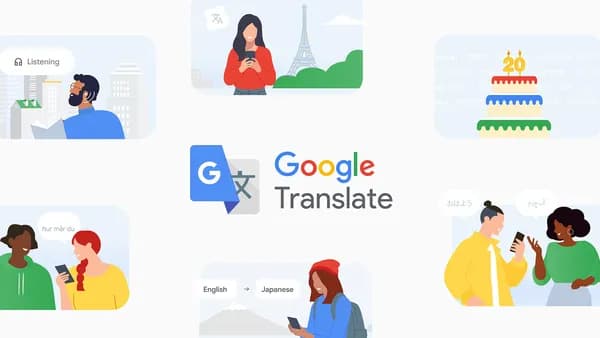
Google Translate at 20: Fun Facts and Global Impact on Language
Google Translate has hit the big 2-0! 🎉 From its humble beginnings as an AI experiment in 2006 to now supporting nearly 250 languages, it’s a powerhouse of global communication. Let’s dive into some fun facts and take a closer look at how this tool has reshaped language accessibility and its broader economic implications.

Quick Take
| Fun Fact | Description |
|---|---|
| Launch Year | 2006 |
| Languages Supported | Almost 250 |
| User Base | Over 500 million active users monthly |
| Technology | Neural Machine Translation (NMT) |
| Main Purpose | Break down language barriers globally |
The Evolution of Google Translate
Google Translate initially emerged as a project for translating texts using statistical machine translation (SMT). Fast forward to today, and the technology has evolved into a Neural Machine Translation (NMT) system that understands context and produces far more accurate translations. This transition has been pivotal, allowing Google Translate to not only translate words but also capture the nuances of various dialects and slang.
Strengths of Google Translate
- Wide Accessibility: Google Translate is free and available on multiple platforms, including mobile apps, desktop, and various integration options with other Google services.
- Diversity in Languages: Supporting an astonishing array of languages enables global interactions, helping travelers, business professionals, and educators connect and communicate without barriers.
- Machine Learning Enhancements: Continuous updates and improvements have led to more context-aware translations, reducing awkward or incorrect phrasing common in earlier models.
Weaknesses of Google Translate
- Context Limitations: Despite improvements, there are still scenarios where Google Translate struggles, particularly with colloquial phrases or idioms that don’t translate well on a literal level.
- Accuracy Concerns: While it’s better than ever, reliance on automated translations can lead to misunderstandings—especially in high-stakes situations like legal or medical contexts.
- Dependence on Internet: Users need a stable internet connection for optimal functionality, which can be limiting in remote areas.
Opportunities for Growth
- Integration with Other Technologies: Future updates could see deeper integration with augmented reality (AR) and virtual reality (VR), facilitating real-time translations during conversations, enhancing international business meetings, or travel experiences.
- Expanding Language Support: With globalization on the rise, there's an opportunity to support more dialects and languages, enhancing communication in regions that are often overlooked.
- AI Innovations: Leveraging advancements in AI could lead to even more personalized translation experiences, factoring in user preferences and cultural contexts.
Threats to Overcome
- Competition: Other players in the translation space, like Microsoft Translator and DeepL, are continually innovating and providing tough competition.
- Ethical Concerns: With the significant amount of data Google processes, ethical considerations around user privacy and data protection will need to be addressed to retain user trust.
- Market Saturation: As more tools emerge, standing out in a crowded market could pose challenges for maintaining and growing user engagement.
Market Context
The macroeconomic landscape is increasingly driven by globalization and digital communication. Google Translate’s role in this ecosystem cannot be understated. By breaking down language barriers, it enhances international trade, enables global business operations, and fosters cultural exchange. This tool has become a critical asset in an interconnected world where companies are no longer confined by geographical limitations.
Additionally, the rise of remote work and digital nomadism has made tools like Google Translate indispensable for effective communication across different cultures and languages. As businesses continue to expand into international markets, the demand for reliable translation services will only grow.
Impact on Investors
For investors, Google Translate's evolution signifies the potential of AI-driven platforms and their capacity to generate value. As companies increasingly rely on AI to optimize operations, those focused on AI and language processing technologies may see substantial growth opportunities. As Google Translate continues to innovate and adapt, it will likely influence the market dynamics of tech sectors, particularly in communication and software development.
Final Thoughts
As we celebrate 20 years of Google Translate, it’s clear that this tool has not only transformed how we communicate across languages but has also had a profound impact on businesses and economies worldwide. With technological advancements continuing to evolve, the future looks bright for language accessibility—and for the global economy it supports. Keep an eye on this space, because the next 20 years could bring even more groundbreaking changes in how we connect, collaborate, and converse on a global scale!
Tags
- Google Translate
- AI Technology
- Language Accessibility
- Global Communication
- Digital Economy