 Go Back

Introduction
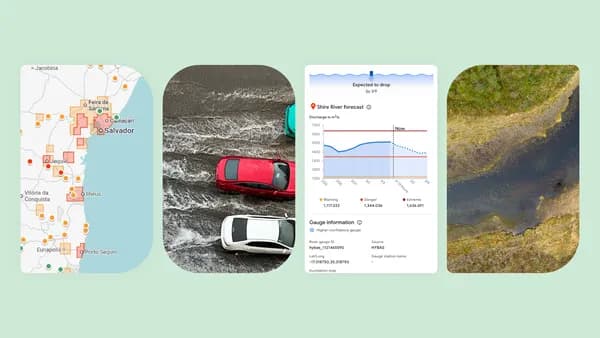
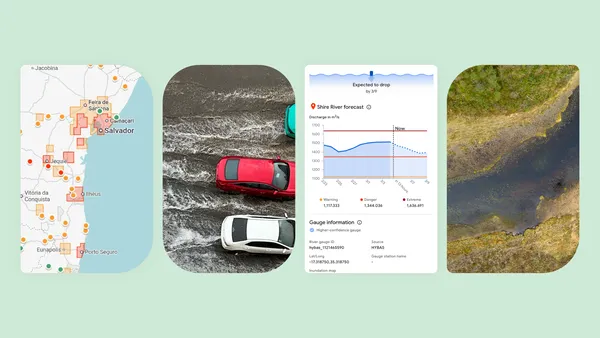
The advent of AI technology has opened countless doors, especially within the domain of predictive analytics. One of the latest innovations is Groundsource, an AI-powered methodology developed by Google Research. This tool aims to convert vast amounts of public records into actionable insights, enabling communities to better predict and prepare for natural disasters. Given the increasing frequency and severity of such events due to climate change, the importance of this technology cannot be understated.
Quick Take
| Feature | Description |
|---|---|
| Technology | AI-powered methodology by Google Research |
| Purpose | To transform public records into actionable data |
| Target Audience | Communities at risk of natural disasters |
| Benefits | Improved preparedness and response to crises |
| Long-term Impact | Potentially reduced damage and loss during disasters |
SWOT Analysis of Groundsource
Strengths
- Data-Driven Insights: Groundsource leverages millions of public records, which can provide a comprehensive view of historical patterns and trends related to natural disasters.
- Real-Time Predictions: The ability to analyze data in real-time allows communities to respond swiftly to emerging threats.
- Accessibility: By focusing on public data, the methodology can be accessible to a variety of stakeholders, including local governments and non-profit organizations.
Weaknesses
- Data Quality: The effectiveness of Groundsource hinges on the quality and accuracy of the public records it utilizes. Incomplete or outdated data can lead to misguided predictions.
- Technological Adoption: Some communities may lack the necessary technological infrastructure or expertise to implement these AI-driven insights effectively.
Opportunities
- Enhanced Community Resilience: By adopting Groundsource, communities can significantly enhance their resilience to natural disasters, potentially saving lives and resources.
- Expansion Beyond Natural Disasters: The methodology could be adapted for other crisis scenarios, such as pandemics or economic downturns, broadening its impact.
Threats
- Privacy Concerns: The use of public data may raise privacy issues, particularly if sensitive information is inadvertently included in the datasets.
- Regulatory Challenges: As the technology scales, it may face regulatory scrutiny that could affect its implementation and growth.
Market Context
The increasing frequency of natural disasters, exacerbated by climate change, presents both challenges and opportunities in the AI landscape. Groundsource arrives at a crucial time when communities are grappling with the consequences of environmental upheaval. Governments and organizations are seeking innovative solutions to enhance disaster preparedness and response measures. According to recent studies, the global natural disaster management market is expected to grow significantly, driven by advancements in technology and an increasing emphasis on proactive risk management. Groundsource is poised to play a vital role in this shifting paradigm.
Impact on Investors
For investors, the emergence of Groundsource signifies a promising opportunity within the AI sector, particularly in applications targeted at crisis management. As communities increasingly recognize the necessity of preparedness, solutions like Groundsource could attract funding from governmental and non-governmental organizations. Investors should consider the following key factors:
- Growing Demand: With natural disasters on the rise, the demand for predictive tools and methodologies is expected to grow, providing a favorable market environment for solutions like Groundsource.
- Partnership Opportunities: Collaborative initiatives between tech companies and governments can lead to enhanced funding and support for AI-driven disaster management tools.
- Long-Term Sustainability: Companies that contribute to crisis management may see increased stability and sustainability in their business models as communities prioritize safety and preparedness.
Conclusion
Groundsource represents a significant step forward in the intersection of AI and disaster management. By transforming public records into actionable data, it offers communities the chance to anticipate and mitigate the impacts of natural disasters. As technology continues to evolve, the potential to enhance community resilience and reduce disaster-related losses becomes increasingly promising. Both stakeholders and investors should closely monitor developments in this space as they unfold, given the implications for public safety and economic stability.
Tags
- AI
- Natural Disasters
- Predictive Analytics
- Google Research
- Crisis Management