 Go Back

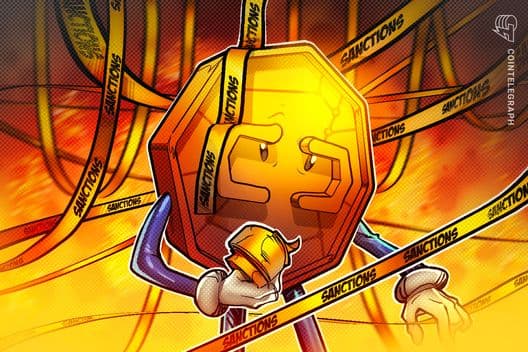
HTX Sanctions: Implications for Crypto Compliance and Risk Signals
In a recent report, blockchain researchers have warned that the sanctions imposed on the cryptocurrency exchange HTX may lead to significant repercussions for both legitimate users and the broader crypto compliance landscape. These sanctions not only threaten to freeze the assets of innocent parties but also risk compromising the effectiveness of existing compliance tools designed to trace illicit funds. This situation raises critical questions about the future of regulatory frameworks in the crypto space, especially given the ongoing global macroeconomic shifts.

Quick Take
| Key Aspect | Details |
|---|---|
| Sanctioned Entity | HTX cryptocurrency exchange |
| Potential Impact | Freezing of legitimate users’ assets |
| Risk Compliance Tools | Reduced effectiveness in tracing illicit funds |
| Broader Context | Macro-economic shifts and regulatory landscape |
| Future Implications | Need for refined compliance mechanisms |
Understanding the Situation
The recent sanctions against HTX underscore a growing trend where regulatory bodies are increasingly scrutinizing cryptocurrency exchanges. The rationale behind such actions often involves concerns about money laundering, terrorist financing, and other illicit activities that can occur in the unregulated corners of the crypto market.
However, the researchers' caution regarding the broad tainting of HTX raises valid concerns. It suggests that innocent users, who may rely on HTX for legitimate transactions, could be adversely affected by these sweeping measures. The risk of freezing assets is not just a theoretical concern; it can lead to a chilling effect on users' trust in cryptocurrency platforms and the ecosystem as a whole.
Market Context
Historically, the interaction between regulatory frameworks and the cryptocurrency market has been fraught with tension. The cryptocurrency space was initially heralded for its decentralized nature, allowing users to operate outside the reach of traditional financial institutions and government oversight. However, as cryptocurrencies gained popularity, they also attracted the attention of regulators aiming to impose order and protect consumers.
The sanctions against HTX are emblematic of a broader regulatory trend that has emerged in recent years as governments around the world grapple with how to manage the risks associated with digital currencies. According to data from the Financial Action Task Force (FATF), there has been an uptick in the number of countries implementing stricter regulations, showcasing a proactive approach to mitigating risks associated with illicit finance.
Impact on Investors
The implications of the HTX sanctions on investors cannot be overstated. For individual investors, the prospect of legitimate funds being frozen represents a significant risk. It can result in loss of access to assets, which can be detrimental to those who may need liquidity in volatile market conditions. Additionally, the perception that all users of HTX could be implicated in the actions of the exchange can deter investment in the platform altogether.
Moreover, the diminishing effectiveness of compliance tools raises further concerns for institutional investors. These tools are essential in assessing risk and ensuring that funds are not inadvertently linked to illicit activities. If compliance tools struggle to distinguish between legitimate and tainted transactions, it could lead institutional players to pull back from the crypto market, further exacerbating market volatility.
Future Predictions
Looking ahead, the challenges posed by the HTX sanctions and similar regulatory actions may necessitate a paradigm shift in how compliance is approached within the cryptocurrency sector.
Refinement of Compliance Mechanisms: There will likely be a push for the development and implementation of more sophisticated compliance tools that can better differentiate between legitimate and illicit transactions. Blockchain analytics firms may innovate new methodologies to enhance the granularity of their tracing capabilities.
Regulatory Clarity: As the regulatory landscape continues to evolve, clearer guidance from authorities could help delineate acceptable practices for exchanges. This clarity may also ease some of the burdens placed on legitimate users.
Increased Collaboration: Increased cooperation between cryptocurrency exchanges, regulators, and law enforcement agencies could create a more robust framework for compliance that protects both the industry and its users.
Market Adaptation: Investors may begin to gravitate toward exchanges and platforms that prioritize compliance and transparency, leading to potential market shifts where compliant entities gain favor over less scrupulous ones.
Long-term Resilience: Ultimately, the cryptocurrency market has shown resilience in the face of regulatory challenges. The ongoing evolution of compliance measures may lead to a stronger infrastructure that can better defend against illicit activities while safeguarding the interests of legitimate users.
Conclusion
The sanctions against HTX represent a critical juncture in the ongoing dialogue between regulation and innovation in the cryptocurrency space. As compliance tools face the challenge of effectively tracing illicit funds without compromising legitimate users, the broader implications for the market and investors will inevitably unfold. The regulatory landscape will continue to adapt, but the core principle remains: achieving a balance between oversight and the protection of legitimate financial activities is paramount for the future of the cryptocurrency ecosystem.
Tags
- HTX
- Sanctions
- Compliance
- Cryptocurrency
- Regulation