 Go Back


The Impact of 24/7 Trading on the Crypto Landscape
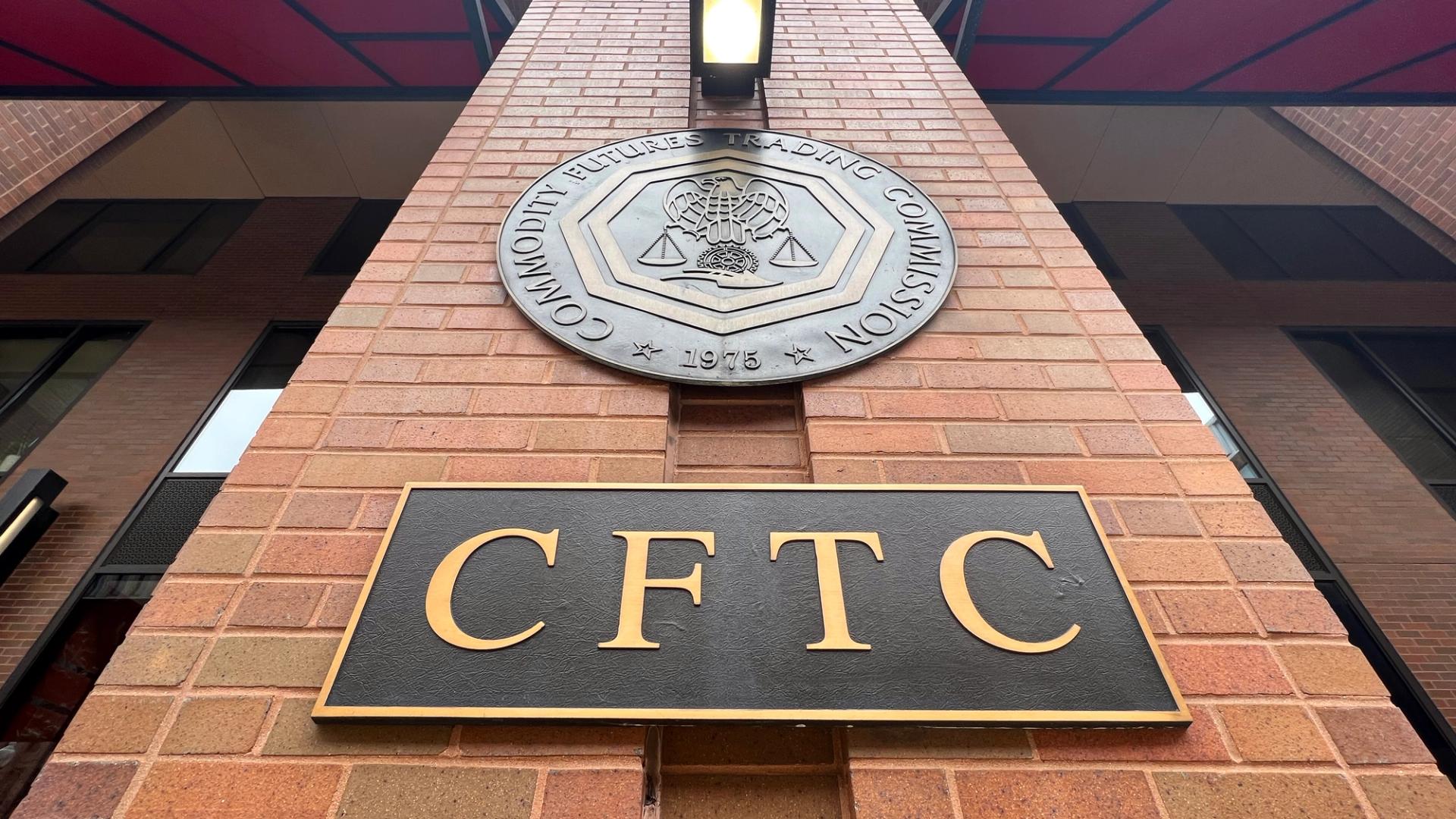
The recent announcement from the U.S. Commodity Futures Trading Commission (CFTC) regarding the approval of crypto perpetual futures contracts has stirred significant discussion about the implications of 24/7 trading in the cryptocurrency market. While the CFTC champions the benefits of continuous trading for crypto, it has also cautioned that such a framework may not be suitable for other sectors. This realization opens up a deeper dialogue about the unique nature of cryptocurrency trading and its implications for the broader financial landscape.
Quick Take
| Aspect | Details |
|---|---|
| Regulatory Body | CFTC |
| Approval Type | Crypto perpetual futures contracts |
| Trading Hours | 24/7 |
| Suitability for Other Sectors | Not universally applicable |
| Market Impact | Potential for increased volatility and accessibility |
Market Context
The U.S. CFTC's recent directive is not just a regulatory formality; it reflects a broader acceptance of cryptocurrencies within established financial frameworks. The introduction of 24/7 trading aligns with the decentralized ethos of cryptocurrencies, allowing for real-time trading without the restrictions typically associated with traditional financial markets. This constant availability caters to a global market, significantly enhancing liquidity and trading volume.
Historically, cryptocurrencies emerged as a response to the limitations of traditional finance, which often operates within strict hours, usually closing on weekends and holidays. This model, while effective for traditional assets, has become a constraint in the fast-paced world of digital currencies. The perpetual futures contracts signify a maturing market that is willing to embrace a more flexible trading paradigm.
Advantages of 24/7 Trading
- Immediate Response to Market Events: Cryptocurrency markets are influenced by global news and events at any hour. Continuous trading allows investors to react swiftly to price changes and news announcements.
- Increased Liquidity: More trading hours mean more opportunities for market participants to enter and exit positions, which typically leads to enhanced market liquidity.
- Global Participation: Investors from different time zones can participate in the market, leading to a more diverse trading base and enhancing the market's robustness.
Disadvantages of 24/7 Trading
- Increased Volatility: The constant availability of trading can lead to abrupt price swings, often exacerbated by retail traders reacting impulsively to news.
- Stress on Traders: The ever-open market creates pressure for traders who may feel compelled to monitor prices continuously, leading to burnout and potentially poor decision-making.
- Regulatory Challenges: The lack of a traditional trading schedule complicates regulatory enforcement and consumer protection, raising the stakes for market manipulation and fraud.
SWOT Analysis
Strengths
- Enhanced Accessibility: The removal of time constraints allows traders from various global locations to engage with the market.
- Adaptability: Crypto traders can take advantage of price movements at any time, creating opportunities that traditional markets cannot offer.
Weaknesses
- Market Manipulation: The 24/7 nature of trading may lead to increased instances of market manipulation, as the lack of oversight can be exploited by unscrupulous actors.
- High Volatility: Continuous trading can lead to significant price fluctuations that might deter risk-averse investors.
Opportunities
- Market Growth: As more traders engage with the market, the potential for innovations in trading strategies and products increases, possibly leading to greater market stability.
- Cross-Market Integration: The success of 24/7 trading could inspire other sectors to adopt similar approaches, driving innovation within traditional financial markets.
Threats
- Regulatory Scrutiny: As the popularity of 24/7 trading continues to grow, regulators may impose stricter guidelines to ensure market integrity.
- Technological Challenges: The infrastructure supporting continuous trading must be robust and reliable, as any technical failures could provoke significant market disruptions.
Impact on Investors
Investors should be acutely aware of the implications that 24/7 trading brings to the cryptocurrency market. While the possibility of instant access to trading activities allows for potential profit-making opportunities, the associated risks cannot be overlooked. The volatility inherent in the crypto market, coupled with the accelerated pace of trading, necessitates a well-thought-out strategy for both new and seasoned investors.
Short-term traders may find the 24/7 market to be an exhilarating playground, whereas long-term investors might prefer to adopt a more cautious approach, focusing on fundamental analysis rather than day-to-day price fluctuations.
In summary, the CFTC’s endorsement of 24/7 trading for crypto represents a pivotal moment in the evolution of digital assets, presenting unique opportunities and challenges that will shape the future of investing in this space. As the market continues to adapt to these changes, both traders and regulators must navigate the complexities of this continuously evolving landscape.