 Go Back

The Impact of Political Donations on Crypto: A Long-Term Analysis
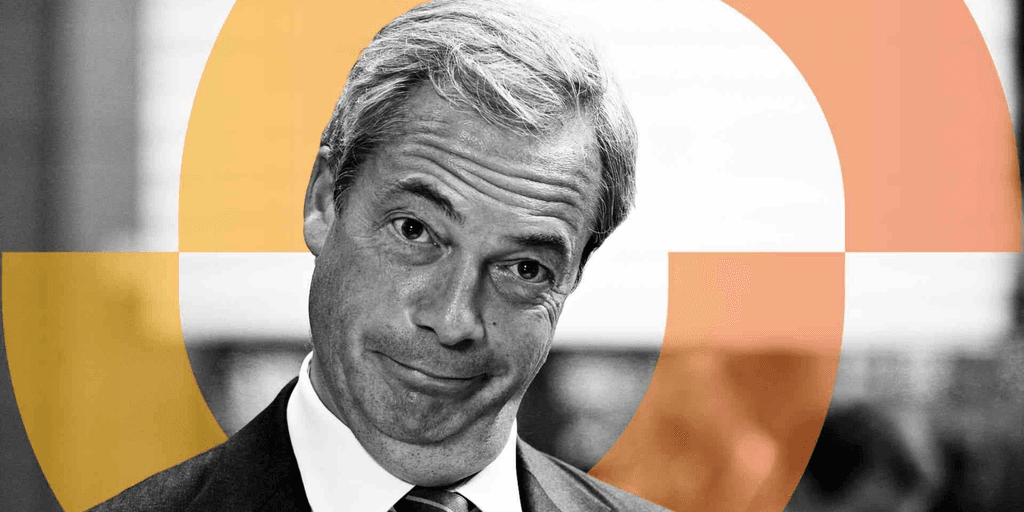
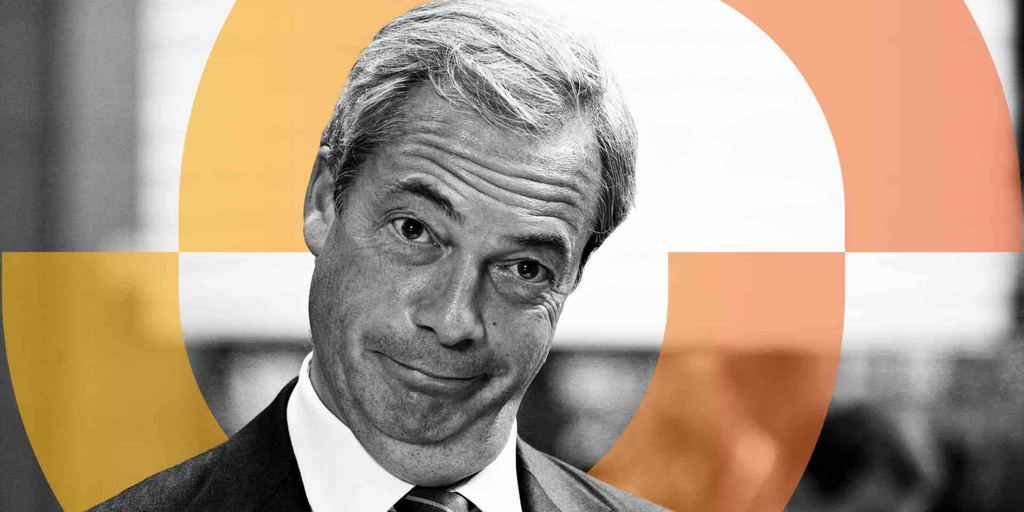
In recent political events, Labour Party Chair Anna Turley has raised concerns regarding Nigel Farage's acceptance of a substantial $6.7 million gift from Christopher Harborne, a known figure in the Tether cryptocurrency space. This incident highlights a pivotal intersection of politics, finance, and cryptocurrency, prompting a critical examination of how such large financial contributions can influence not only political agendas but also the broader regulatory landscape of the crypto industry.
Quick Take
| Aspect | Details |
|---|---|
| Key Figure | Nigel Farage |
| Gift Amount | $6.7 million from Christopher Harborne |
| Political Context | Concerns raised about transparency and scrutiny in political donations |
| Broader Implications | Potential impact on crypto regulations and public perception |
Market Context
The crypto market is no stranger to controversies surrounding political influence. Large donations like Harborne's raise significant questions about the integrity of regulatory processes and transparency within the industry. Harborne, often associated with Tether, a major stablecoin, is positioned at a crossroads where his financial contributions could sway political opinions regarding cryptocurrency regulations.
The Labour Party's scrutiny over Farage's acceptance of such a sizable donation adds another layer to the ongoing debate around the ethical implications of money in politics. As governments worldwide grapple with the challenge of regulating the rapidly evolving digital asset landscape, these donations can create perceived or real conflicts of interest that may hinder objective policymaking.
Historical Context
Historically, the intertwining of money and politics isn’t new. However, cryptocurrencies present unique challenges. Their decentralized nature and the anonymity they can afford make it difficult for regulators to enforce compliance and conduct oversight. Incidents like this donation can galvanize public sentiment against cryptocurrencies, drawing parallels to traditional concerns about lobbying and the influence of money on democracy.
Moreover, the creation of laws surrounding cryptocurrency is still in its infancy in many jurisdictions. As regulators attempt to craft effective legislation, they must consider external pressures from influential donors and stakeholders, which could lead to policies that favor the few at the expense of the many.
SWOT Analysis
Strengths
- Increased Awareness: Incidents like this elevate public consciousness about the influence of money in politics, potentially leading to more informed voters.
- Regulatory Discussion: Prompts regulators to reassess how they monitor and govern political donations in relation to cryptocurrencies.
Weaknesses
- Transparency Issues: The lack of clear regulations on cryptocurrency donations raises concerns over transparency and accountability.
- Public Distrust: High-profile donations can foster distrust among the public towards both political figures and the crypto industry, leading to a negative perception of digital currencies.
Opportunities
- Regulatory Reform: This situation may catalyze necessary reforms in the regulation of political donations within the crypto space, promoting healthier practices.
- Engagement: Provides an opportunity for industry stakeholders to engage with policymakers, advocating for regulations that support innovation while maintaining transparency.
Threats
- Regulatory Backlash: The potential for increased scrutiny and stricter regulations in the wake of high-profile donations could stifle innovation in the crypto sector.
- Market Volatility: Public outrage or a shift in regulatory stance could lead to market volatility, impacting investor confidence and asset values.
Impact on Investors
As these political dynamics unfold, investors need to remain vigilant and informed. The implications of large political donations can directly affect market stability and regulatory environments, which in turn influence investment strategies. If the political climate shifts towards increased regulation, there could be significant implications for crypto asset valuations.
Investors should also consider the reputational risks associated with political affiliations tied to their investments. A backlash against perceived collusion between political entities and cryptocurrency could have far-reaching effects on market sentiment and asset prices.
In response to these developments, investors may want to diversify their portfolios to mitigate risks associated with regulatory changes. Keeping an eye on the evolving political landscape is critical in navigating the complexities of cryptocurrency investments.
Conclusion
The intersection of large political donations and the cryptocurrency market is fraught with complexity. As scrutiny of figures like Nigel Farage intensifies, it is paramount for both investors and policymakers to recognize the potential implications of political money on the future of cryptocurrency regulation. The coming months will be crucial in shaping how the industry adapts to these challenges and opportunities, making it an essential period for active engagement and awareness within the crypto community.
This analysis serves to highlight the need for transparency and accountability in both politics and the cryptocurrency market. As the landscape continues to evolve, stakeholders must remain proactive in advocating for ethical practices that foster trust and innovation.