 Go Back


Inflation's Impact on Crypto: A Look Ahead to April 2026
As we step into April 2026, the economic landscape is dominated by inflation concerns, prompting a closer examination of its impact on the cryptocurrency market. Inflation, which refers to the rate at which the general level of prices for goods and services rises, has been a topic of contention among economists and policymakers. Its implications extend deeply into the world of digital currencies, influencing market dynamics, investor sentiment, and regulatory perspectives.
Quick Take
| Key Point | Details |
|---|---|
| Current Inflation Rate | Projected at 4.5% for April 2026 |
| Major Cryptos Affected | Bitcoin, Ethereum, and major altcoins |
| Investor Sentiment | Cautiously optimistic yet wary |
| Anticipated Regulatory Changes | Possible adjustments to crypto regulations due to economic pressures |
The Economic Context
The backdrop of inflation is crucial to understanding its effects on the cryptocurrency market. As central banks globally grapple with inflation rates that have remained stubbornly high, the actions taken to mitigate these pressures—such as interest rate hikes—have repercussions that ripple through all asset classes, including cryptocurrencies.
In recent months, inflation has averaged around 4.5%, a rate that, while down from the peaks seen in 2022, still creates uncertainty in financial markets. As prices rise, the purchasing power of fiat currency decreases, leading investors to seek alternative stores of value. Herein lies the opportunity for cryptocurrencies, which are often viewed as hedges against inflation.
Market Context
Historically, Bitcoin has been heralded as “digital gold.” This perception has grown more pronounced as inflation fears have mounted. With institutional adoption and retail interest surging, Bitcoin's price has shown resilience in the face of economic challenges. Meanwhile, Ethereum and other altcoins are also attempting to carve out their narratives, emphasizing utility and technological advancements.
The correlation between inflation and crypto performance was starkly evident during previous inflationary periods. For instance, during the inflation spikes of early 2022, Bitcoin reached all-time highs, driven by a combination of investor fear and increasing institutional interest. This trend suggests that as inflation expectations rise, so too may the interest in cryptocurrencies.
The Role of Monetary Policy
The role of central banks cannot be understated. As they navigate the delicate balance of controlling inflation while fostering economic growth, their policies will undoubtedly influence investor behavior in the crypto space. If interest rates continue to rise, traditional investors may pivot from riskier assets, including cryptocurrencies, back into bonds and equities, potentially leading to a short-term sell-off in the crypto market.
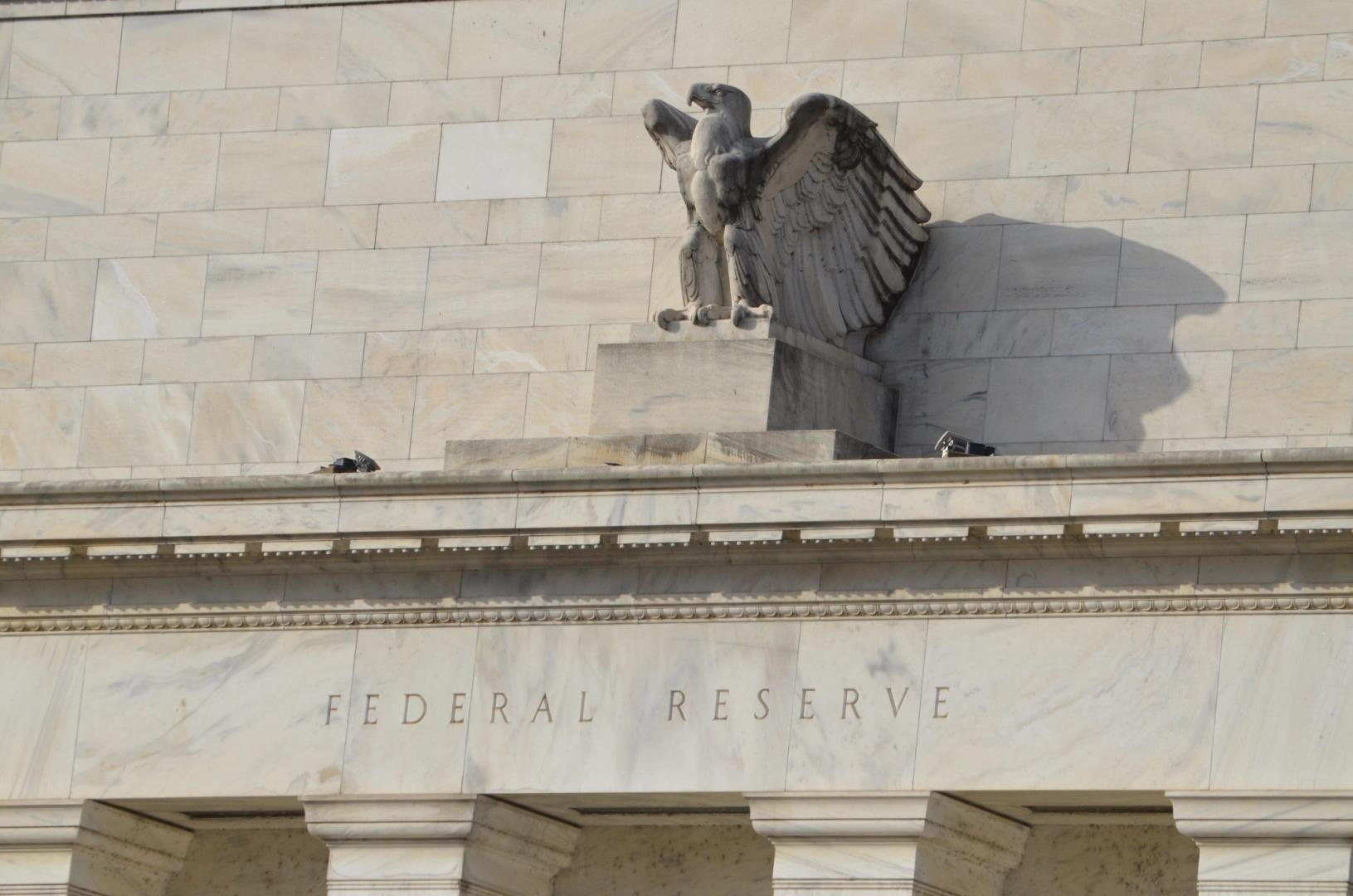
On the other hand, if central banks take a more dovish stance, signaling that they will pivot to support growth, risk assets like Bitcoin could see renewed interest. Investors will closely monitor statements from the Federal Reserve and other central banks for signs of policy shifts that may impact market sentiment.
Impact on Investors
For crypto investors, understanding the interplay between inflation and market dynamics is essential. Short-term volatility should be expected, particularly as economic data releases and central bank meetings approach. However, the long-term outlook remains promising for cryptocurrencies.
Key Considerations for Investors:
- Diversification: Investors should maintain a diversified portfolio that includes a mix of cryptocurrencies, stablecoins, and traditional assets to mitigate risks associated with inflation.
- Long-Term Perspective: Viewing investments with a long-term perspective can help investors weather short-term volatility linked to macroeconomic factors.
- Stay Informed: Keeping abreast of economic indicators and central bank policy changes will equip investors with the insights needed to make informed decisions.
- Technological Adoption: As blockchain technology continues to evolve, the inherent value propositions of certain cryptocurrencies could lead to increased adoption and higher valuations.
Conclusion
As April 2026 unfolds, the spotlight on inflation will shape the narrative within the cryptocurrency market. Investors must navigate this landscape with a keen awareness of macroeconomic trends while remaining attuned to the unique characteristics of digital assets. The intersection of inflation and cryptocurrency offers both challenges and opportunities, making it a critical period for those invested in this digital frontier. Understanding these dynamics will be crucial as the market continues to evolve.
Tags
- Inflation
- Cryptocurrency
- Bitcoin
- Ethereum
- Market Analysis
- Investor Insights
- Economic Trends