 Go Back


Understanding Inflation's Impact on Cryptocurrency Trends
The conversation around inflation and its implications for various assets is ongoing, particularly in the cryptocurrency space. As inflation rates rise, many investors are contemplating their next moves, especially concerning traditional and digital assets. Should cryptocurrency be part of an inflation hedge strategy? Let’s delve into this topic and assess the current landscape.
Quick Take
| Key Points | Insights |
|---|---|
| Inflation Trends | Rising rates may influence asset allocation |
| Crypto as a Hedge | Mixed views on its effectiveness |
| Market Sentiment | Volatility remains a concern |
| Historical Context | Cryptos faced challenges in previous inflations |
| Future Predictions | Potential for growth vs. risk |
Market Context
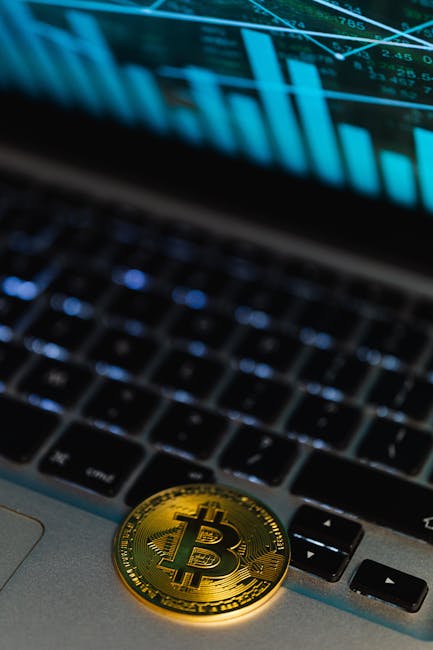
Inflation can significantly alter investment dynamics. Traditionally viewed as a hedge against inflation, assets like gold have been favored. However, cryptocurrencies, particularly Bitcoin, have often been proposed as a modern alternative. The rationale is that Bitcoin's capped supply could protect against currency devaluation.
However, recent trends show that Bitcoin and other cryptocurrencies have not been the stable investments many expected during inflationary periods. Instead, they’ve exhibited extreme volatility. For instance, during the inflation spikes in 2021 and early 2022, Bitcoin faced substantial price fluctuations, raising questions about its reliability as an inflation hedge. This volatility can be attributed to several factors:
- Speculative Trading: Cryptocurrencies are still heavily influenced by speculative trading, which can lead to wild price swings regardless of macroeconomic conditions.
- Market Maturity: The crypto market is relatively young compared to traditional markets, resulting in greater sensitivity to news and economic shifts.
- Regulatory Changes: As governments grapple with rising inflation, potential regulatory actions concerning cryptocurrencies could also impact market stability.
SWOT Analysis
Strengths
- Decentralization: Cryptocurrencies operate independently of central banks, which could appeal to those concerned about governmental fiscal policies.
- Digital Gold: Bitcoin, often referred to as 'digital gold', is increasingly viewed as a store of value.
Weaknesses
- Volatility: The high volatility in cryptocurrency markets can deter risk-averse investors, especially during uncertain economic times.
- Regulatory Risk: Ongoing discussions around regulation can create unpredictability for investors.
Opportunities
- Institutional Adoption: As institutions begin to integrate cryptocurrencies into their portfolios, the market may stabilize and mature.
- Innovative Financial Products: New products that combine crypto assets with traditional finance may emerge, appealing to a wider audience.
Threats
- Market Manipulation: The risk of market manipulation remains a considerable threat, particularly in a less regulated environment.
- Global Economic Downturn: A broader economic downturn could stifle investment in both traditional and digital assets, hurting cryptocurrency valuations.
Impact on Investors
For investors, the question remains: is cryptocurrency a suitable hedge against inflation? The answer is complex. While some advocate for cryptocurrencies as part of a diverse portfolio, others caution against overexposure due to inherent risks. Here are a few considerations for investors:
- Diversification is Key: Rather than solely relying on cryptocurrencies, investors should consider diversifying their portfolios to include a mix of traditional assets, commodities, and digital assets.
- Long-Term Perspective: Given the historical performance of cryptocurrencies, a long-term investment approach may yield better results than attempting to time the market.
- Stay Informed: Keeping up with regulatory developments and macroeconomic indicators can help investors make informed decisions.
Conclusion
Cryptocurrency markets are intricately tied to macroeconomic conditions such as inflation. While some investors perceive potential in digital assets as a hedge, the volatility and risks associated with these assets cannot be overlooked. It is essential for investors to conduct thorough research and maintain a balanced approach when integrating cryptocurrencies into their portfolios. By weighing the strengths, weaknesses, opportunities, and threats of cryptocurrencies in the context of inflation, investors can navigate the challenging landscape more effectively.
As the economic environment continues to evolve, keeping a pulse on both inflation trends and the crypto market will be crucial for making sound investment decisions.