 Go Back


Understanding the Influence of Inflation and Oil Prices on Bitcoin Trading
The relationship between traditional economic indicators and cryptocurrency performance is a subject of increasing interest among traders and investors alike. As the global economy navigates inflationary pressures, the comments from Federal Reserve Chair Jerome Powell regarding oil prices and inflation are poised to significantly influence Bitcoin traders. In this blog post, we’ll delve into the implications of these economic factors on Bitcoin trading strategies and market movements.
Quick Take
| Key Insight | Details |
|---|---|
| Current Focus | Inflation and Oil Prices |
| Trader Sentiment | Likely to be influenced by Powell’s comments |
| Potential Outcomes | Increased volatility in Bitcoin markets |
| Long-term Implications | Possible correlation with inflation trends |
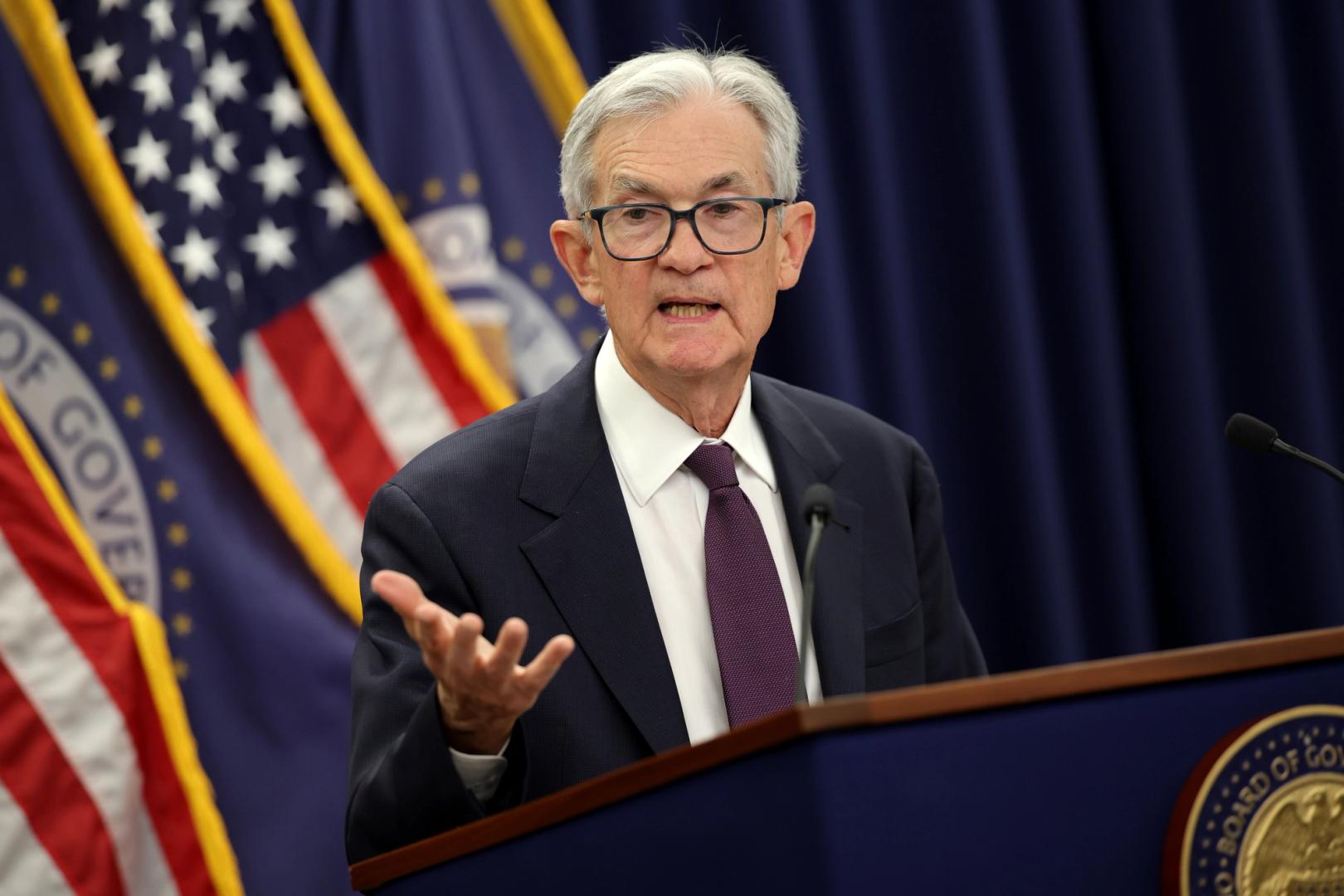
The Interplay Between Oil Prices and Inflation
Inflation is a crucial factor in any economy, impacting everything from consumer spending to investment strategies. One of the primary drivers of inflation is the price of oil, which significantly affects transportation costs and, subsequently, the prices of goods and services. When oil prices rise, it generally contributes to higher inflation rates, prompting responses from policymakers, including interest rate adjustments by central banks.
- Historical Context: Over the last few decades, there has been a clear link between rising oil prices and spikes in inflation. For instance, during the oil crisis of the 1970s, soaring prices led to double-digit inflation rates in many countries, including the United States. This historical precedent raises questions about how current dynamics might mirror past scenarios.
Market Context
As Jerome Powell makes remarks regarding oil prices and their potential impact on inflation, traders are keenly aware of how these factors can shape market sentiment. Bitcoin, often viewed as a hedge against inflation, tends to react not only to its own market dynamics but also to broader economic signals. Here’s how:
- Correlation with Traditional Assets: Bitcoin has shown moments of correlation with traditional assets during inflationary periods. Many investors view Bitcoin as a digital gold, a store of value that could retain purchasing power when fiat currencies decline.
- Market Volatility: The volatility of Bitcoin often mirrors that of oil prices. A sudden spike in oil prices may lead to increased uncertainty in financial markets, prompting Bitcoin traders to either hedge their positions or take advantage of price swings.
Impact on Investors
For investors, understanding the implications of inflation and oil prices is essential for navigating the complexities of the cryptocurrency market. Here are some key considerations:
- Risk Assessment: Investors must evaluate how rising inflation rates and oil prices could impact their portfolios. Higher inflation may prompt central banks to increase interest rates, which could lead to reduced liquidity in the markets and affect Bitcoin prices negatively.
- Strategic Positioning: Bitcoin traders might consider adjusting their strategies based on Powell’s insights into oil and inflation. For instance, if inflation expectations rise, traders could allocate more resources to Bitcoin, anticipating its role as a hedge.
- Long-Term Perspective: While short-term volatility can be unsettling, long-term investors may see these economic indicators as opportunities. Historical trends show that Bitcoin often rebounds after significant dips, and aligning investments with macroeconomic fundamentals can yield substantial returns.
Conclusion: A Watchful Eye on Economic Indicators
As Bitcoin traders navigate the complexities of the cryptocurrency landscape, the interplay between inflationary pressures, oil prices, and the remarks from influential figures like Jerome Powell will be critical. Staying informed about these economic indicators and adjusting trading strategies accordingly could prove beneficial for maximizing returns in a volatile environment.
Investors should remain vigilant and continuously assess how macroeconomic factors influence Bitcoin’s performance, ensuring their strategies are adaptable in a landscape defined by uncertainty and rapid change. Keeping a finger on the pulse of inflation and oil prices may well be the key to unlocking potential in the cryptocurrency markets.
Tags
- Bitcoin
- Inflation
- Oil Prices
- Trading Strategies
- Jerome Powell