 Go Back


Insider Trading in Prediction Markets: A Major Wake-Up Call
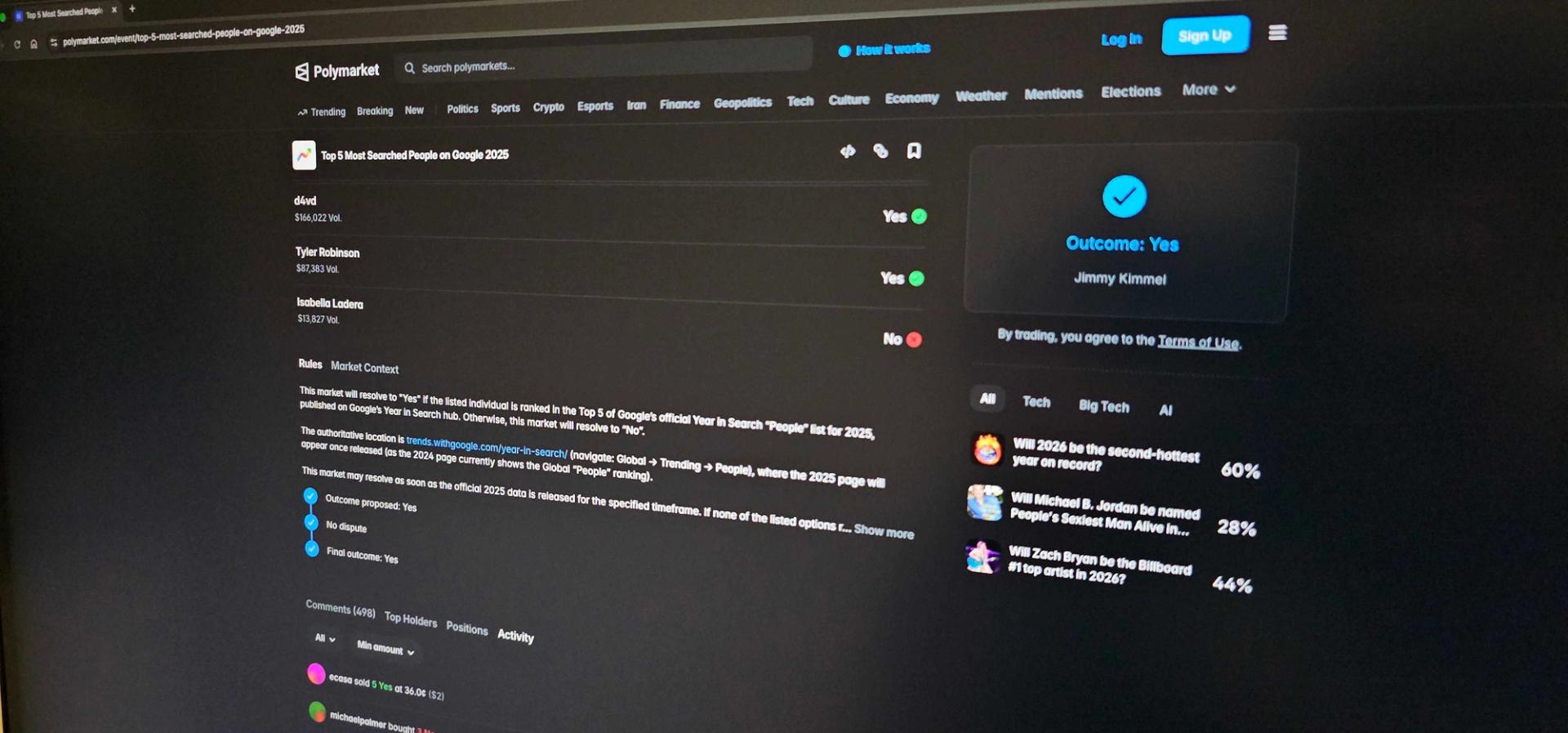
The recent allegations against a Google engineer for insider trading on the Polymarket prediction market have stirred a significant discussion regarding the intersection of technology, finance, and regulation. The charges highlight an emerging pattern in the regulatory landscape, raising critical questions about the integrity of information markets in a rapidly digitizing world.
Quick Take
| Aspect | Details |
|---|---|
| Incident | Allegations of insider trading in Polymarket |
| Key Entity | Google engineer |
| Regulatory Body | U.S. Federal authorities |
| Market | Prediction markets and their intersection with crypto |
| Implications | Potential regulatory shifts and investor trust concerns |
Market Context
The cryptocurrency and digital asset markets have seen an influx of regulatory scrutiny as they become increasingly intertwined with traditional financial systems. Prediction markets, like Polymarket, leverage blockchain technology to offer decentralized platforms for betting on outcomes, which have gained traction among investors eager to speculate on various occurrences, from sports results to political elections.
However, the integrity of these markets is now under threat from instances of insider trading, which undermine their foundational premise of equitable access to information. The recent charges against the Google engineer are a stark reminder that even in decentralized systems, the potential for manipulation exists.
SWOT Analysis
Strengths
- Decentralization: Prediction markets operate on blockchain technology, reducing centralized control and promoting transparency.
- Innovation: They open new avenues for speculation and hedging, attracting a diverse range of participants, including retail and institutional investors.
Weaknesses
- Regulatory Uncertainty: The legal framework for prediction markets remains ambiguous in many jurisdictions, which can hinder growth and investor confidence.
- Risk of Manipulation: Events like the insider trading incident raise concerns about the integrity of the market, potentially dissuading participation.
Opportunities
- Increased Regulation: Proper regulation could enhance the legitimacy of prediction markets, making them more appealing to mainstream investors.
- Market Expansion: As familiarity with blockchain technology increases, more participants may enter prediction markets, expanding the overall market size.
Threats
- Legal Repercussions: Ongoing investigations and legal actions could create negative publicity and deter users from engaging with prediction markets.
- Market Volatility: The cryptocurrency space is notoriously volatile, and incidents like insider trading can exacerbate price swings, impacting investor confidence.
Impact on Investors
The implications of insider trading on prediction markets extend beyond the immediate legal ramifications. For investors, the trustworthiness of the information they rely upon when making predictions is paramount.
Trust Erosion: Instances of insider trading can lead to a significant erosion of trust among market participants. If investors believe that certain players have an unfair advantage due to access to non-public information, they may withdraw from prediction markets altogether. This could lead to decreased liquidity and a reduced capacity for markets to accurately reflect collective knowledge.
Regulatory Landscape Shifts: As regulators respond to these developments, we may see new guidelines or frameworks emerge for prediction markets. Investors need to stay informed and adapt to these changes, as they could influence market dynamics and the types of products offered.
Long-Term Viability: While the current incident poses immediate challenges, the long-term viability of prediction markets may hinge on how effectively they can self-regulate and integrate regulatory oversight. If they succeed, it could lead to a robust environment that fosters innovation while protecting investors.
Conclusion
The recent insider trading allegations against a Google engineer reflect broader trends in the crypto and prediction market ecosystem. As technology continues to reshape traditional financial paradigms, the need for a clear regulatory framework becomes ever more pressing. Investors must remain vigilant and knowledgeable about the implications of these developments to navigate the evolving landscape effectively.
In the coming months, it will be crucial to monitor how these events unfold and what they mean for the future of prediction markets and the cryptocurrency sector at large.