 Go Back


Insider Trading Concerns: A Look at Prediction Markets and Regulation
In a recent development, members of the House and Senate have urged the Commodity Futures Trading Commission (CFTC) and the federal ethics office to remind government employees about the legal implications of insider derivatives trading. This call to action highlights the growing concern regarding the integrity of prediction markets and the potential risks posed by insider trading, particularly within the context of government oversight. 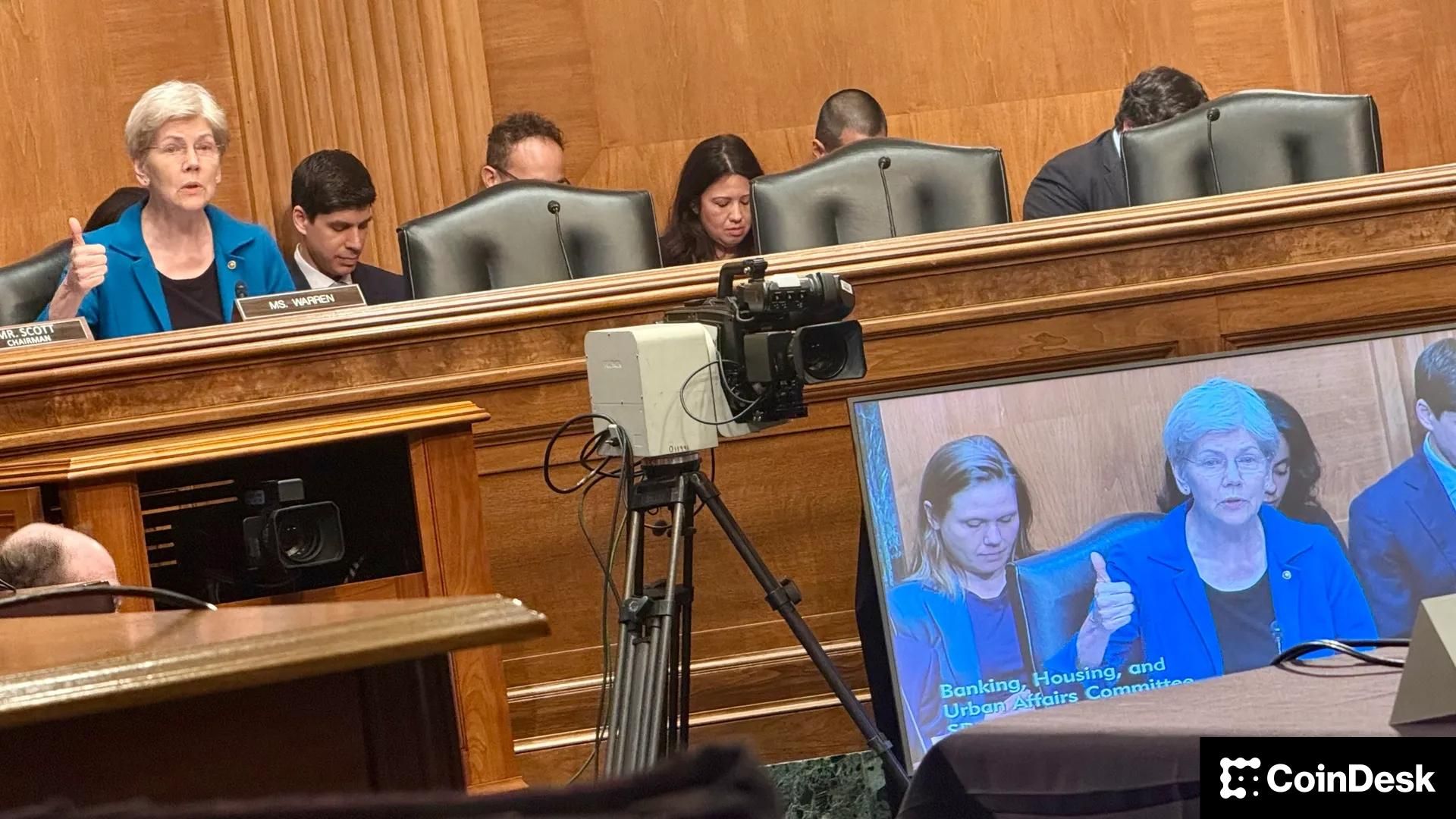
Quick Take
| Aspect | Details |
|---|---|
| Issue | Insider trading related to prediction markets |
| Regulatory Body | Commodity Futures Trading Commission (CFTC) |
| Target | Federal employees and their trading activities |
| Legal Context | Ongoing discussions about ethics and legality |
| Market Impact | Potential changes in prediction market dynamics |
Market Context
Prediction markets, platforms where participants can buy and sell shares based on future events, have gained traction over the years. They offer a unique glimpse into the collective intelligence of market participants, often providing insights that traditional polling methods may miss. However, the integrity of these markets is crucial, and recent discussions among lawmakers underscore the importance of maintaining ethical boundaries in trading practices.
The request made by members of Congress comes at a time when digital assets and prediction markets are increasingly intersecting. As blockchain technology continues to evolve, so too does the sophistication of prediction market platforms, which often leverage decentralized finance (DeFi) principles. This integration poses new challenges for regulators, particularly regarding the enforcement of existing laws against insider trading.
SWOT Analysis
Strengths
- Innovative Market Mechanisms: Prediction markets utilize innovative algorithms and decentralized frameworks, potentially leading to more accurate forecasting and insights compared to traditional methods.
- Engagement and Capital Flow: They attract a diverse range of participants, increasing engagement in broader financial markets and creating opportunities for capital flow.
Weaknesses
- Regulatory Ambiguity: There is a lack of clear regulatory guidelines governing prediction markets, leading to confusion about compliance among participants.
- Risk of Manipulation: The potential for insider information to influence trading decisions poses a substantial risk, undermining the market's integrity.
Opportunities
- Regulatory Clarity: The current call for warnings from congressional members could lead to clearer regulations that establish a more robust framework for prediction markets.
- Technological Advancements: With improvements in blockchain technology, prediction markets may become more secure and resistant to manipulation, attracting more participants.
Threats
- Legislative Backlash: If insider trading violations occur frequently, there could be a push for stricter regulations that may stifle innovation in prediction markets.
- Public Trust: Ongoing concerns about insider trading can erode public trust in both prediction markets and the regulatory frameworks in place to govern them.
Impact on Investors
For investors, the implications of insider trading on prediction markets are multifaceted. On one hand, these markets offer unique opportunities for speculation and investment. On the other, the risk of encountering manipulated information can deter participation. As regulatory oversight increases, investors will need to navigate this landscape carefully.
Key Considerations for Investors:
- Stay Informed on Regulations: Understanding the regulatory environment is vital for making informed decisions in prediction markets.
- Assess Market Integrity: Investors should evaluate the credibility of prediction market platforms, focusing on their governance structures and transparency levels.
- Risk Management: With the potential for insider trading, employing sound risk management strategies becomes essential to safeguard investments.
Conclusion
The recent call for warnings against insider trading in prediction markets emphasizes the need for robust regulatory frameworks that ensure fair play while promoting innovation. As the landscape of digital assets and prediction markets continues to evolve, both lawmakers and market participants must remain vigilant to protect the integrity of these emerging financial ecosystems. Investors, too, must adapt to the changing dynamics, ensuring they are equipped with the knowledge and strategies necessary to navigate potential risks and capitalize on opportunities within this exciting arena.