 Go Back


Institutional Investors Rally Behind Top Cryptocurrency: An Analysis
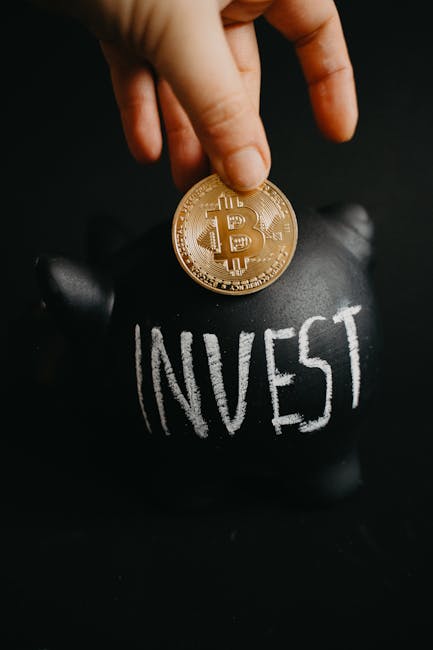
Recent data from Coinbase indicates a significant uptick in interest from institutional investors in a leading cryptocurrency, signaling a potential shift in market dynamics. This post delves into the implications of these investments, considering the broader global macroeconomic context and what this trend means for both the cryptocurrency market and investors in the long run.
Quick Take
| Key Points | Details |
|---|---|
| Current Trend | Increased institutional buying in a top cryptocurrency. |
| Market Reaction | Potential bullish sentiment around the asset. |
| Global Economic Factors | Inflation pressures and monetary policy shifts. |
| Investors' Outlook | Long-term bullish with caution against volatility. |
The Good
The surge in institutional investment is generally seen as a positive signal for any asset class, especially for cryptocurrencies that have historically been subjected to volatility and skepticism. Institutional investors bring stability to the market due to their large financial capacities and a more extensive risk management framework.
- Increased Legitimacy: When major institutional players such as hedge funds and asset managers begin to invest heavily in a cryptocurrency, it enhances the legitimacy of the asset. This can lead to increased confidence among retail investors, potentially fueling further price appreciation.
- Market Depth: Institutional buying can enhance market depth, reducing volatility and allowing for more substantial price movements. This can make the market more attractive to other investors, thereby creating a more balanced ecosystem.
- Long-term Holding: Institutions are typically not looking for short-term gains; they plan their investments for years. This long-term approach could lead to sustained growth and development in the cryptocurrency's underlying technology and adoption.
The Bad
Despite the optimism surrounding institutional investment, there are significant hurdles that need addressing:
- Market Manipulation: Large purchases can lead to price manipulation if not checked, creating a risk for smaller investors. Institutions can effectively control market perception, which could lead to rapid price swings that don't reflect the asset's true value.
- Dependency on Regulatory Frameworks: Increasing institutional interest could plunge cryptocurrencies under stricter regulatory scrutiny. Governments worldwide are still figuring out how to deal with digital assets, and excessive regulation could stifle growth and innovation.
- Risk of Overvaluation: As institutions enter the market, there's a risk of an asset becoming overvalued. If institutional investors begin to pull back, it could lead to a sharp decline in prices, affecting all holders.
The Ugly
The global economic context adds another layer of complexity to this trend. As inflation continues to rise and monetary policies are adjusted, volatility in global markets could spill over into the cryptocurrency market.
- Geopolitical Tensions: With the world facing numerous geopolitical risks, institutional investors may turn to cryptocurrencies as a hedge against traditional asset classes. However, if these tensions escalate, it could lead to unpredictable market behavior.
- Economic Downturns: Should the global economy face a recession, institutional investors might liquidate their cryptocurrency holdings to cover losses in traditional sectors. This could lead to massive sell-offs in the cryptocurrency markets, impacting prices drastically.
- Technological Risks: As institutional interest grows, so does the need for robust infrastructure to support these transactions. Cybersecurity threats and technological failures could undermine investor confidence, leading to a mass exodus.
Market Context
The current macroeconomic landscape is characterized by inflationary pressures and shifting monetary policies. Many investors are seeking alternatives to traditional assets, and cryptocurrencies are becoming increasingly appealing. Institutional players are responding to these market conditions, which they see as favorable for long-term growth.
Moreover, recent advancements in regulations, such as the introduction of clearer guidelines and the potential for a Bitcoin ETF, have further solidified institutional interest in the crypto space.
Impact on Investors
For retail investors, understanding this trend is crucial. Increased institutional investment could imply a more stable environment for cryptocurrencies in the long run. However, due diligence is required.
- Stay Informed: Investors should keep an eye on institutional buying trends and market reactions to better position themselves. Understanding the motives behind these investments can offer insights into future price movements.
- Diversify Portfolios: With increasing institutional presence, being part of the market may require diversification into other assets or sectors. Retail investors should consider their risk tolerance and adjust their portfolios accordingly.
- Be Cautious: The crypto market remains volatile. Retail investors should exercise caution and not simply follow institutional trends without conducting their analysis.
In summary, the surge of institutional investment in a leading cryptocurrency is a nuanced development that holds promise and peril. By keeping an eye on both the macroeconomic context and the specific dynamics of the cryptocurrency marketplace, investors can navigate this evolving landscape more effectively.