 Go Back

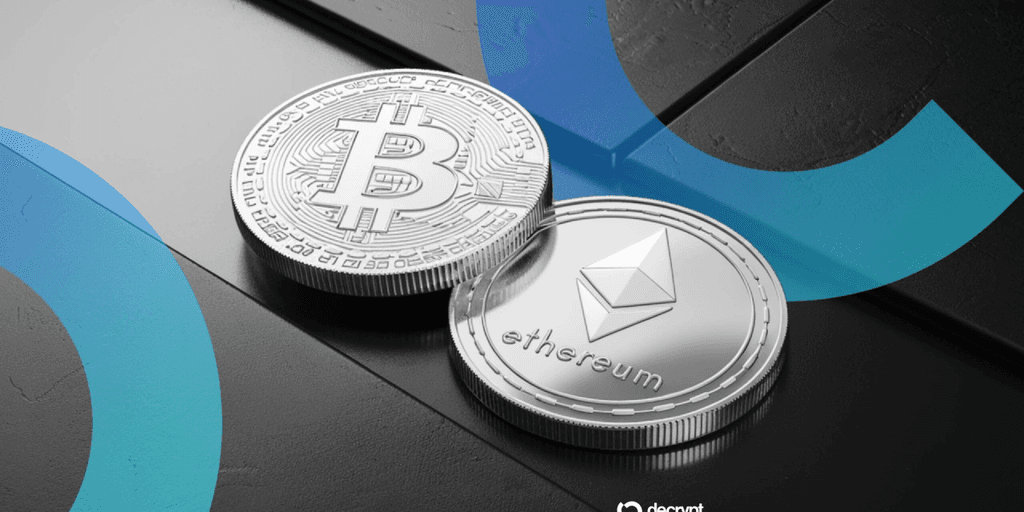
Understanding the Current Crypto Landscape: Intense Capitulation Hits Bitcoin and Ethereum
The cryptocurrency market is undergoing a significant reset, characterized by what experts are calling an "intense capitulation." Recent reports indicate that around 8 million Bitcoin (BTC) and a considerable portion of the Ethereum (ETH) supply are currently sitting at a loss. This unprecedented situation raises questions about the market's future, the psychological impact on investors, and the potential for long-term investment opportunities. In this post, we will dive deeper into the factors driving this capitulation and what it might mean for the future of crypto.
Quick Take
| Metric | Value |
|---|---|
| Bitcoin Underwater | 8 million BTC |
| Ethereum Supply Loss | Majority of ETH supply |
| Market Sentiment | Intense Capitulation |
Market Context
The current state of the crypto market is heavily influenced by a combination of macroeconomic factors, regulatory pressures, and changing investor sentiment. After experiencing a bull market, culminating in all-time highs of nearly $69,000 for Bitcoin in November 2021, the cryptocurrency market has faced increased scrutiny as central banks worldwide tighten monetary policies. High inflation rates, rising interest rates, and global economic uncertainty have led many investors to rethink their strategies.
Historically, capitulation phases often occur after extended downtrends when investors panic and sell their positions at losses. This phase can be indicative of a market nearing a bottom, as the selling pressure typically subsides after the weak hands have exited. However, it also creates an environment of uncertainty that can deter new investments, as potential buyers wait for signs of stability.
In the context of Bitcoin and Ethereum, the current market dynamics reveal that a significant portion of the supply is held at losses. This situation is a critical indicator of investor sentiment and market health. As investors face the burden of holding assets that have depreciated, the pressure to sell increases, contributing to the overall negative sentiment.
SWOT Analysis
Strengths
- Decentralization and Security: Both Bitcoin and Ethereum maintain their fundamental strengths, such as decentralization and security, which continue to attract long-term investors.
- Technological Advancements: The ongoing development in blockchain technology, especially Ethereum's transition to a proof-of-stake model, could enhance its appeal in the long run.
Weaknesses
- Market Volatility: The cryptocurrency market is notoriously volatile, which can dissuade risk-averse investors.
- Regulatory Challenges: Increasing regulatory scrutiny poses a threat to market stability and investor confidence, particularly as governments seek to establish clearer frameworks for digital assets.
Opportunities
- Buying Opportunities: For long-term investors, the current capitulation presents a unique buying opportunity as prices may be significantly lower than their intrinsic value.
- Institutional Interest: Ongoing interest from institutional investors could provide a buffer against market downturns and help stabilize prices in the future.
Threats
- Macroeconomic Factors: Continued global economic instability and inflation could lead to further declines in asset prices, including cryptocurrencies.
- Technological Risks: The rapid pace of technological changes in the crypto space creates risks for existing projects that may struggle to keep up.
Impact on Investors
For investors, the current capitulation signifies a period of heightened caution. Many traders may experience emotional distress amid losses, leading to an increased likelihood of panic selling. However, seasoned investors often take a different approach, viewing capitulation not just as a time for concern but as an opportunity for strategic acquisitions. The potential for substantial returns in the long term, particularly if one can identify undervalued assets, is a compelling reason to remain engaged with the market despite its current turmoil.
Moreover, the psychological aspect of market sentiment plays a critical role during periods of capitulation. Investors need to manage their emotions, focusing on long-term goals rather than short-term fluctuations. Educational resources and community support can be invaluable during such times, allowing investors to make informed decisions rather than acting impulsively.
Conclusion
In summary, while the current capitulation in the crypto market reflects a challenging environment for many investors, it also opens the door for long-term opportunities. Understanding the macroeconomic context and historical trends can provide insights into navigating this landscape. As the market continues to evolve, keeping a close eye on both the risks and rewards will be crucial for those looking to capitalize on the next phase of this dynamic industry.