 Go Back

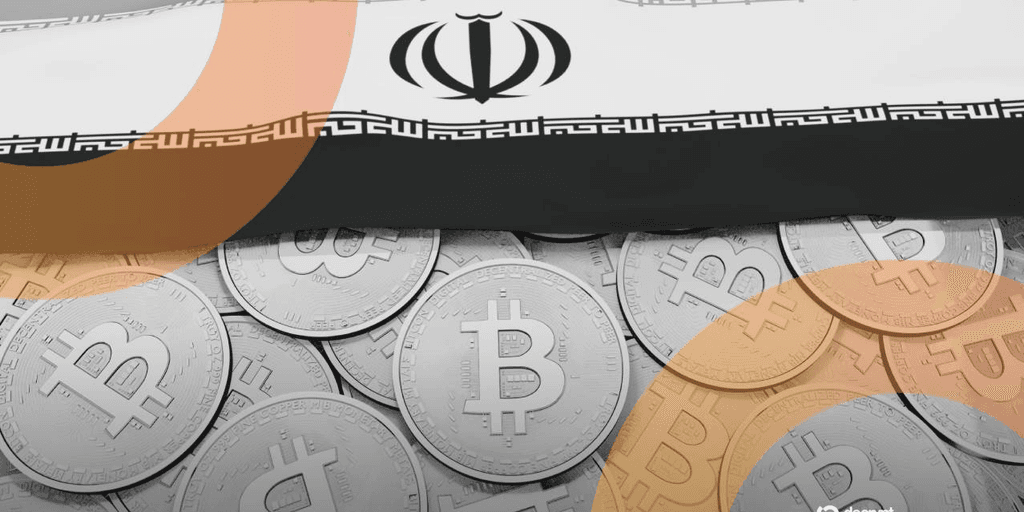
Iran Unveils $10 Billion Bitcoin Insurance Plan for Strait of Hormuz
As the geopolitical landscape continues to shift, Iran is taking a bold step into the crypto world with its proposal for a $10 billion Bitcoin insurance plan aimed at maritime operations in the strategically vital Strait of Hormuz. This move has significant implications for global trade, maritime security, and the increasing legitimacy of cryptocurrencies in international finance.
Quick Take
| Aspect | Details |
|---|---|
| Insurance Value | $10 Billion |
| Currency Used | Bitcoin |
| Focus Area | Strait of Hormuz |
| Purpose | Cargo cover and marine policies |
The Proposal: A New Era for Maritime Insurance
Iran's proposal centers on the establishment of a platform that offers cargo coverage specifically in Bitcoin. This initiative aims to protect shipping interests traversing the Strait of Hormuz, a crucial passage through which nearly 20% of the world's petroleum passes. In times of increasing volatility in the region, such a safety net could provide a much-needed cushion for shipping companies operating in high-risk areas.
The idea of using Bitcoin for insurance is a striking departure from traditional fiat-based systems. By leveraging decentralized finance (DeFi), Iran may be able to bypass some of the financial sanctions imposed by Western nations. This tactic not only showcases the potential for cryptocurrencies in global finance but also highlights how nations are increasingly looking towards blockchain technology to fortify their economic interests.
Market Context: The Role of the Strait of Hormuz
The Strait of Hormuz has long been a focal point for geopolitical tensions. Situated between Iran and the Arabian Peninsula, this narrow passage is pivotal for oil shipments and thus the global economy at large. The region's instability has often led to disruptions in oil supply, prompting shipping companies to seek insurance that can mitigate these risks.
Historically, insurance costs for cargo moving through the Strait have surged during times of heightened tension, illustrating a direct correlation between geopolitical stability and shipping insurance rates. By offering a Bitcoin-backed insurance policy, Iran could provide a more stable and potentially less expensive alternative to traditional insurance, particularly during periods of tension.
Impact on Investors: A Double-Edged Sword
While Iran's Bitcoin insurance plan is innovative, it presents both opportunities and risks for investors. On one hand, the move could lead to an increased demand for Bitcoin, as shipping companies may need to acquire significant amounts of the cryptocurrency to participate in the insurance scheme. This could bolster Bitcoin's price and acceptance as a legitimate medium of exchange in international trade.
However, the inherent volatility of Bitcoin remains a concern. Investors must weigh the benefits of potentially higher returns against the risks associated with the cryptocurrency's price fluctuations. Furthermore, the geopolitical risks tied to Iran's actions could create uncertainty in the market, causing fluctuations that could impact the broader cryptocurrency ecosystem.
Future Trends: The Rise of Cryptocurrency in Global Insurance
Iran's initiative could herald a broader trend towards the integration of cryptocurrencies in global insurance markets. As traditional financial systems grapple with volatility and regulatory challenges, the adoption of cryptocurrencies could offer a more flexible, accessible alternative to both businesses and individual investors.
This move might inspire other nations, especially those facing similar sanctions or economic pressures, to explore the viability of cryptocurrency solutions in securing their maritime trade routes. A global shift towards crypto insurance could lead to more resilient supply chains and, ultimately, a transformation in how global trade is conducted.
Conclusion
Iran's ambitious $10 billion Bitcoin insurance plan for the Strait of Hormuz underscores the potential of cryptocurrencies to reshape traditional industries such as insurance. As this plan unfolds, it will be crucial for investors, policymakers, and stakeholders to monitor its impact on both the cryptocurrency market and the broader geopolitical landscape. The intersection of finance and geopolitics continues to evolve, and Iran's latest move could well be a bellwether for the future of maritime commerce and the role of digital currencies therein.
Tags
- Iran
- Bitcoin Insurance
- Strait of Hormuz
- Maritime Security
- Cryptocurrency Trends