 Go Back


Iran's Bitcoin Plans: Transforming the Strait of Hormuz Economy
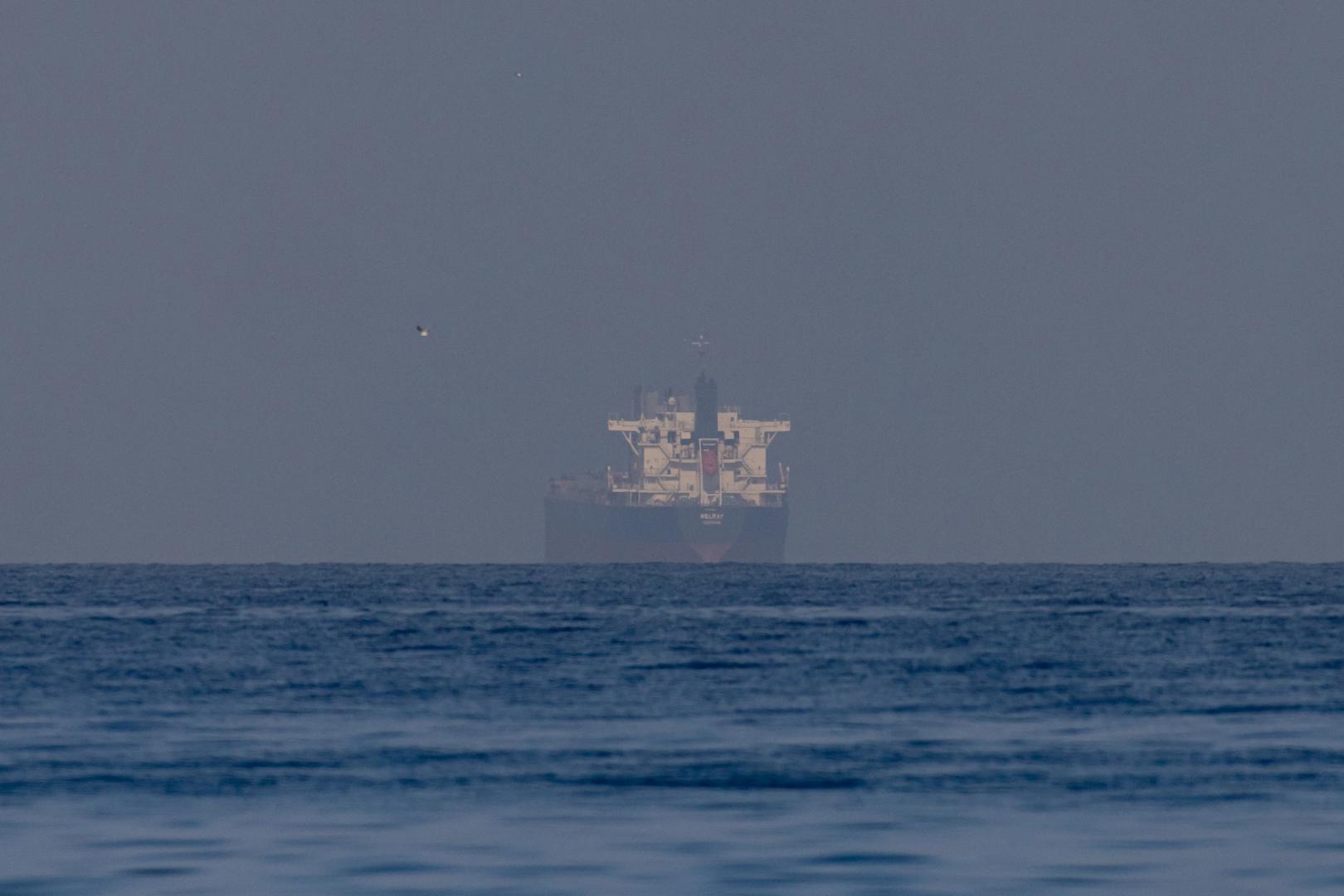
Recent reports from state-linked Fars News indicate that Iran's economy ministry is developing a plan to facilitate shipping through the Strait of Hormuz using Bitcoin as a payment method. This development opens up intriguing possibilities for the region, which is one of the world's most critical maritime chokepoints.
Quick Take
| Aspect | Details |
|---|---|
| Location | Strait of Hormuz |
| Currency Used | Bitcoin |
| Objective | Manage and secure trade and shipping |
| Potential Impact | Shift in maritime commerce, influence on global oil markets |
What is the Strait of Hormuz?
The Strait of Hormuz is a narrow waterway connecting the Persian Gulf with the Arabian Sea. Approximately 20% of the world's oil supply passes through this strategic route. With its geopolitical significance, any changes to the economic practices in this area are crucial for global trade.
Why Bitcoin?
Bitcoin's decentralized nature allows for secure and borderless transactions, making it an appealing option for countries like Iran, which face sanctions and restrictions on traditional banking systems. By using Bitcoin for shipping payments, Iran could potentially circumvent these limitations and secure its economic interests in the region.
Market Context
Iran's potential shift toward Bitcoin payments ties into broader macroeconomic trends in the cryptocurrency market. As nations explore alternatives to the US dollar, the use of Bitcoin and other cryptocurrencies is gaining traction. The geopolitical landscape, particularly given the tensions surrounding oil markets, is increasingly intertwined with digital currencies.
Since the advent of Bitcoin in 2009, numerous countries have been exploring its use as a hedge against inflation and a means to facilitate international trade. Countries like Venezuela and Russia have already shown interest in adopting cryptocurrencies for similar reasons, creating a growing narrative that Bitcoin could serve as a form of economic insurance.
Historical Perspective
Historically, the Strait of Hormuz has been a focal point for geopolitical tensions. The idea of a Bitcoin insurance market in this region is unprecedented and reflects a significant evolution in how nations manage economic vulnerabilities. Bitcoin's emergence as a potential safeguard in volatile regions indicates a shift from traditional economic practices to more innovative solutions amid global economic pressures.
Impact on Investors
For investors, Iran's move to utilize Bitcoin for shipping payments could signal a broader acceptance of cryptocurrencies by countries facing economic isolation. This potential shift could influence market dynamics, particularly in oil and cryptocurrency sectors, as more nations may follow suit in diversifying payment methods.
Analyzing Risks and Opportunities
While there are significant opportunities tied to this development, several risks should be acknowledged:
- Regulatory Uncertainty: Governments worldwide are still grappling with how to regulate cryptocurrency. Iran's actions may provoke responses from other nations.
- Market Volatility: Bitcoin is notoriously volatile. Relying on it as a primary payment method could expose stakeholders to financial risks.
- Geopolitical Tensions: The situation in the region remains fragile, and escalations could hinder the viability of such plans.
Looking Ahead
As we explore the implications of Iran's potential Bitcoin initiative, it's essential to consider how this effort could reshape maritime commerce and the global oil market. The success of Bitcoin payments in the Strait of Hormuz could inspire other countries to adopt similar frameworks, potentially leading to increased demand for cryptocurrencies and further integration into the global economy.
The intersection of Bitcoin and global trade represents a crucial juncture in economic evolution. Understanding these developments will be vital for investors and policymakers alike as they navigate this rapidly changing landscape.
Conclusion
Iran's exploration of Bitcoin as a payment method for shipping through the Strait of Hormuz reveals the country's intent to leverage digital currencies to secure its economic interests. While the implications for global trade are significant, the risks involved also warrant careful consideration. As the world watches Iran's next steps, the potential restructuring of economic frameworks offers both challenges and opportunities for investors in the cryptocurrency space.
By observing these dynamics, we can gain insights into the future of Bitcoin and its role in global economics, especially in critical areas like the Strait of Hormuz.