 Go Back

Understanding the Market Response to the Iran Conflict
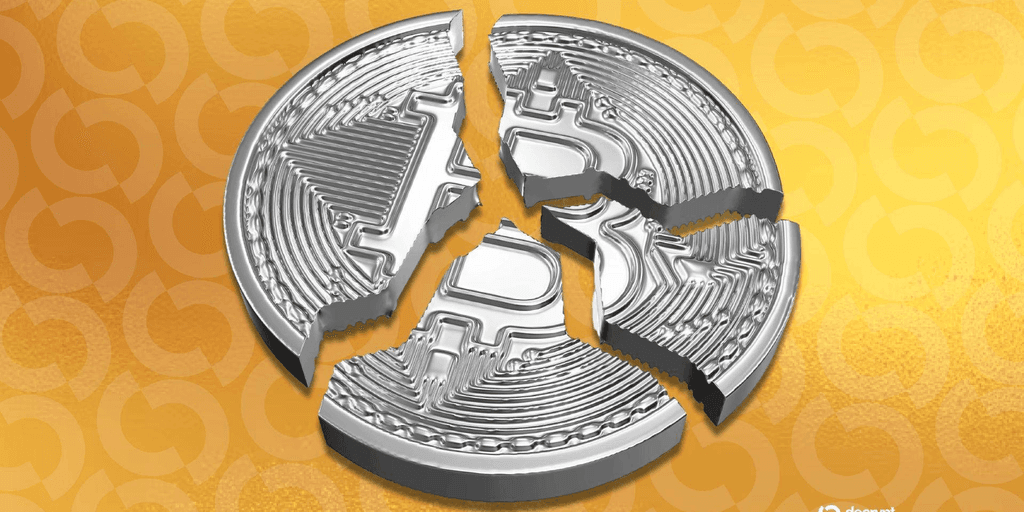
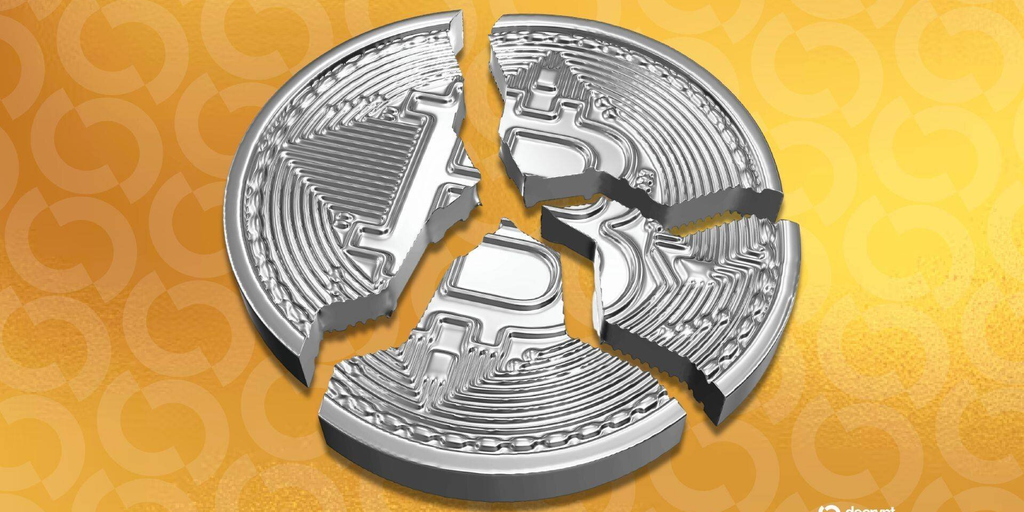
The escalation of military conflict in Iran has sent shockwaves through global financial markets, leading to noticeable drops in asset prices, including Bitcoin and gold. This blog post examines the macroeconomic implications of the current situation, focusing on the effects on cryptocurrencies and traditional commodities.
Quick Take
| Market Trend | Impact |
|---|---|
| Bitcoin Prices | Declined alongside traditional assets |
| Gold Prices | Experienced volatility |
| Stock Market | S&P 500 faced significant downturn |
| Hyperliquid S&P 500 | Now on-chain for transparency |
| Kraken IPO | Postponed amid market instability |
Market Context
The recent strikes on energy infrastructure in Iran have contributed to a precarious global atmosphere, leading to investor uncertainty. Historically, geopolitical tensions have influenced asset prices—investors often retreat to perceived safe havens like gold during such crises. However, Bitcoin has also been gaining attention as a potential hedge against instability, blurring the lines between traditional safe-haven assets and emerging digital currencies.
Historical Analysis
In times of conflict, markets have shown a tendency to reflect immediate fears and uncertainties. For instance, during the Gulf War in the early 1990s, oil prices spiked, which had cascading effects on global stocks and other commodities. Fast forward to today, the situation in Iran can be likened to prior instances where political strife has led to market volatility. The recent turmoil provides an opportunity to assess how digital assets like Bitcoin are evolving as alternative safe havens compared to gold.
SWOT Analysis
Strengths
- Decentralization: Bitcoin's nature allows for transactions without reliance on traditional banking systems, which can be advantageous in times of crisis.
- Limited Supply: As the only digital asset with a capped supply, Bitcoin can appeal to investors seeking a hedge against currency devaluation.
Weaknesses
- Volatility: Bitcoin’s price can fluctuate dramatically, making it a risky investment during unstable times.
- Regulatory Scrutiny: The crypto market is still under significant regulatory uncertainty, which can add to investor anxiety during geopolitical events.
Opportunities
- Institutional Adoption: As more institutions explore cryptocurrencies for diversification, Bitcoin could benefit from an influx of capital, particularly as traditional markets face headwinds.
- Technological Advancements: Innovations, such as Hyperliquid's on-chain S&P 500, could create new investment opportunities that integrate crypto with traditional assets.
Threats
- Escalating Conflict: Ongoing military actions in Iran could lead to further economic sanctions, impacting global markets and investor sentiment.
- Market Manipulation: The crypto market is susceptible to manipulation, especially during times of low liquidity, which can distort actual asset values.
Impact on Investors
The current geopolitical developments warrant a cautious approach for investors. While Bitcoin may present a long-term opportunity as a digital gold, the immediate ramifications of market volatility cannot be overlooked. Investors must weigh their risk tolerance against the backdrop of fast-changing global circumstances.
Key Takeaways for Investors:
- Diversification is crucial: In uncertain times, spreading investments across different asset classes can mitigate risks.
- Stay informed: Monitoring global developments and understanding their potential impacts on markets will enable more strategic decision-making.
- Long-term focus: While short-term volatility may tempt reactive strategies, a long-term perspective is essential for navigating crypto investments.
Conclusion
The situation in Iran continues to develop, with potential repercussions for global markets and investor behaviors. Bitcoin's role as an alternative asset is still being defined, particularly in the context of rising geopolitical tensions. Investors must remain vigilant and adaptable, considering both immediate market reactions and long-term trends as they unfold. Understanding the interplay between these elements will be critical for navigating the complexities of today’s financial landscape.
Tags
- Bitcoin
- Gold
- Geopolitics
- Market Analysis
- Investment Strategies