 Go Back


Quick Take
| Topic | Details |
|---|---|
| Event | Iran's surge in cryptocurrency usage |
| Context | Circumventing US sanctions |
| Impact | Billions of dollars in transactions |
| Future Outlook | Increased reliance on digital currencies |
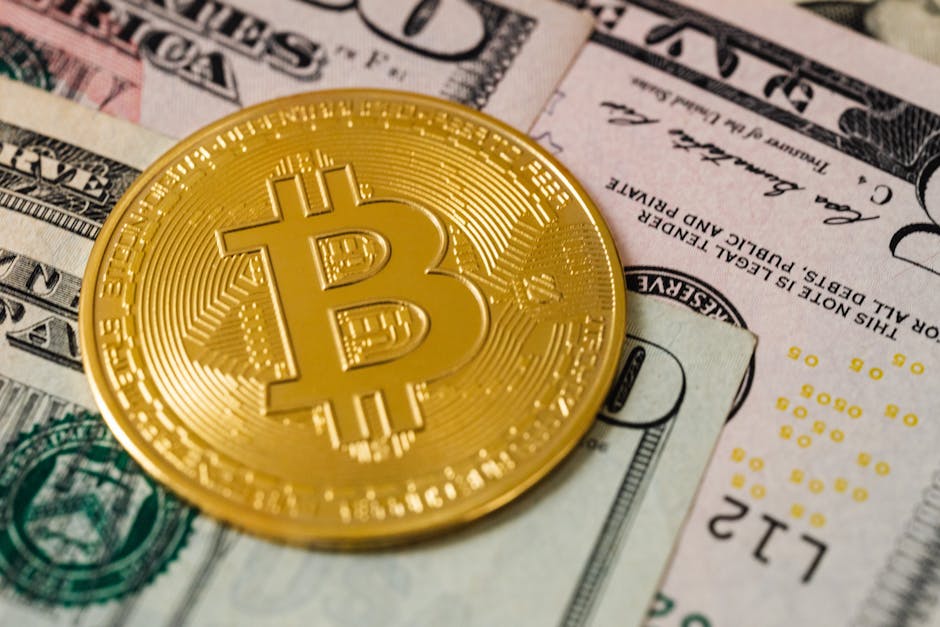
The recent news that Iran has managed to secure billions of dollars through cryptocurrency amidst ongoing U.S. sanctions sheds light on the evolving landscape of global finance. As traditional methods of transactions are stifled by sanctions, elements like blockchain technology provide pathways for countries like Iran to navigate through economic restrictions.
What’s Happening with Iran and Cryptocurrency?
Iran's burgeoning cryptocurrency industry has emerged as a significant player in the global market, especially in the context of its strained relations with the United States. While these sanctions were intended to cripple the Iranian economy, the state has leveraged digital currencies to inexplicably bolster its financial maneuvering. This has raised questions about the effectiveness of sanctions and the future of financial diplomacy.
Market Context
Historical Background
Historically, economic sanctions have been a tool used by nations to exert pressure on countries deemed as threats to international peace and security. In the case of Iran, sanctions have targeted its nuclear program, leading to a significant reduction in its oil exports and overall economic stability.
The introduction of cryptocurrencies in the global market has been a game-changer. Originally seen as a fringe financial asset, Bitcoin and other cryptocurrencies have matured into valuable commodities with real-world applications. Countries like Iran, under heavy sanctions, have turned to these digital currencies as a means of continuing trade and economic activity.
Current Market Dynamics
The rise of cryptocurrencies has coincided with a broader acceptance of digital currencies worldwide. Countries are exploring Central Bank Digital Currencies (CBDCs) as alternatives to traditional fiat money, thus reshaping the landscape of global finance. In this context, Iran's actions are not just about evading sanctions but are also a response to the larger trend of financial decentralization.
Impact on Investors
Implications for the Global Crypto Market
Iran's active engagement in cryptocurrency raises significant implications for the global financial ecosystem.
- Increased Volatility: As countries use cryptocurrencies to bypass economic barriers, the market could experience increased volatility, with regulatory bodies scrambling to adapt to these changes.
- Regulatory Scrutiny: The growth of crypto transactions related to sanctioned countries could attract heightened scrutiny from international regulators. This could lead to stricter enforcement mechanisms and stricter compliance requirements for crypto exchanges.
- Investor Sentiment: Investors might become wary of digital assets linked to geopolitically sensitive situations, influencing their decisions regarding asset allocation and risk management.
Long-term Consequences for Crypto Adoption
Iran's example may lead to increased adoption in other nations facing similar sanctions or economic pressures. As cryptocurrencies offer a mechanism for financial independence, we could see a rise in their usage, not just in Iran but globally among states with strained relations with dominant economies.
What’s Next for Iran and Cryptocurrency?
The future trajectory of Iran's cryptocurrency dealings will likely depend on several factors:
- Continued Sanctions: As long as U.S. sanctions remain in place, Iran is likely to rely more on cryptocurrencies, which could lead to further developments in its blockchain infrastructure.
- International Relations: Changes in diplomatic relations could also affect how Iran approaches cryptocurrencies. A thawing of relations could lead to less reliance on these digital assets.
- Technological Advancements: Innovations in blockchain technology may present new opportunities for Iran to enhance its digital economy, leading to potential collaborations or exchanges with other nations interested in similar pathways.
In summary, Iran's strategic maneuvering through cryptocurrencies underscores a significant shift in the global financial landscape. As countries increasingly leverage digital assets to navigate economic pressures, the implications for investors, regulators, and the future of finance will be profound and long-lasting. This evolution signals that cryptocurrencies are more than just speculative assets; they are becoming vital tools for economic resilience in a fragmented global economy.