 Go Back


Introduction
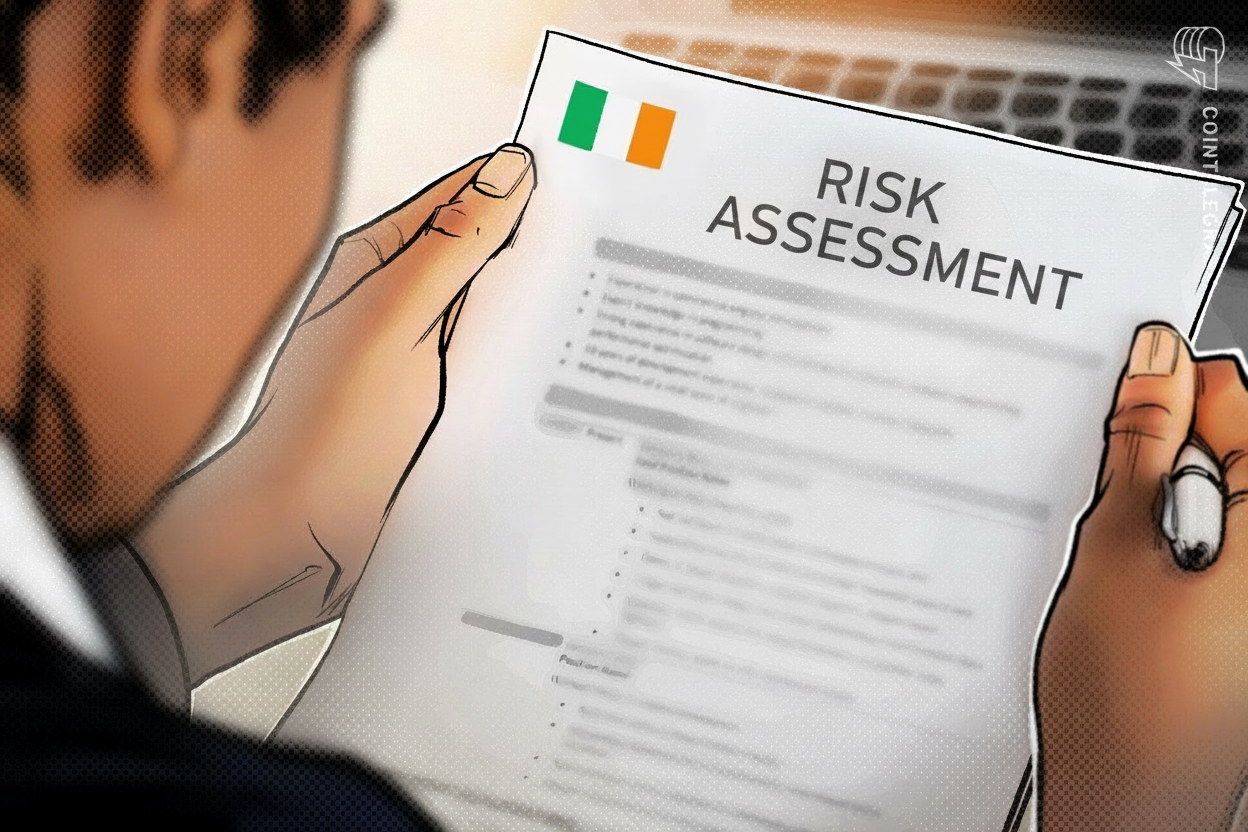
In a significant step towards enhancing financial security, the Irish government has published its first comprehensive assessment of digital assets in seven years. This report outlines various risks associated with cryptocurrencies, including money laundering, terrorism financing, sanctions violations, and bribery. With the crypto landscape evolving rapidly, this assessment not only underscores the urgency of implementing regulatory safeguards but also positions Ireland within the broader global macroeconomic context.
Quick Take
| Key Highlights | Impact |
|---|---|
| First assessment in 7 years | Indicates increased government scrutiny |
| Focus on financial crime risks | Potential for stricter regulations |
| Emphasis on global compliance | Aligns Ireland with EU regulations |
Market Context
As countries and governments worldwide grapple with the implications of cryptocurrencies, regulatory frameworks are becoming increasingly critical. Ireland's recent assessment reflects a growing recognition of the potential risks that accompany the rise of digital assets. This awareness is particularly pertinent as cryptocurrencies have gained traction not only as investment vehicles but also as mediums for illicit activities.
Historically, Ireland has been a hub for financial services, boasting a robust regulatory framework that has attracted numerous fintech companies. However, the emergence of cryptocurrencies has posed unique challenges that require a nuanced approach to regulation. The government's latest assessment signals a shift towards a more proactive stance, aligned with global trends.
The need for stringent regulatory measures is echoed across the European Union, where the Markets in Crypto-Assets (MiCA) regulation aims to create a consistent framework across member states. Ireland's response may leverage insights from MiCA, ensuring that local compliance is not only thorough but also harmonized with broader EU standards.
Impact on Investors
The implications of Ireland's latest assessment extend beyond regulatory compliance; they directly affect investors and market participants. As the government contemplates potential safeguards, investors must brace for changes that could reshape the investment landscape.
Increased Compliance Requirements: Investors may face new due diligence processes to ensure compliance with anti-money laundering (AML) and combating the financing of terrorism (CFT) regulations. This could lead to longer onboarding times and higher operational costs for crypto exchanges and custodians operating in Ireland.
Market Volatility: As the regulatory environment evolves, market sentiment may fluctuate based on speculation regarding the introduction of new regulations. Investors should be prepared for increased market volatility as news related to compliance measures breaks.
Pressure on Smaller Firms: Smaller crypto firms that lack the resources to adapt to stringent regulations may find themselves at a competitive disadvantage. This could lead to market consolidation, where larger, well-capitalized firms absorb smaller entities.
Investment Opportunities in Compliance Solutions: As the demand for compliance solutions grows, firms specializing in regulatory technology (RegTech) may present attractive investment opportunities for savvy investors looking to capitalize on this trend.
Future Predictions
Looking ahead, the Irish government's focus on crypto risk assessment may serve as a bellwether for other nations evaluating their own regulatory frameworks. As more governments recognize the need to address the risks associated with cryptocurrencies, we can expect a more standardized approach to digital asset regulation globally.
In Ireland, the potential introduction of stricter regulations may act as a catalyst for innovation in the crypto sector. Companies that proactively adapt to forthcoming regulations will likely gain a competitive edge, fostering a culture of compliance that could enhance investor confidence.
Moreover, Ireland's strategic position as a European financial hub may attract international investors who value robust regulatory frameworks. By prioritizing compliance while fostering innovation, Ireland could solidify its status as a leader in the digital asset space.
Conclusion
The Irish government's ongoing assessment of the risks linked to digital assets underscores the importance of vigilant regulatory oversight in a rapidly evolving landscape. As Ireland ponders potential safeguards, investors must stay informed and agile, preparing for the impacts of new regulations that may reshape the crypto investment landscape. By aligning with global standards and emphasizing compliance, Ireland is poised to navigate the challenges of the digital asset era effectively.