 Go Back

Quick Take
| Key Points | Details |
|---|---|
| Event | Japan's central bank raises interest rates |
| Current Rate | Unseen level in decades |
| Market Reaction | Minimal impact on crypto prices |
| Historical Context | Previous rate hikes caused volatility |
| Investor Sentiment | Generally positive despite global tensions |
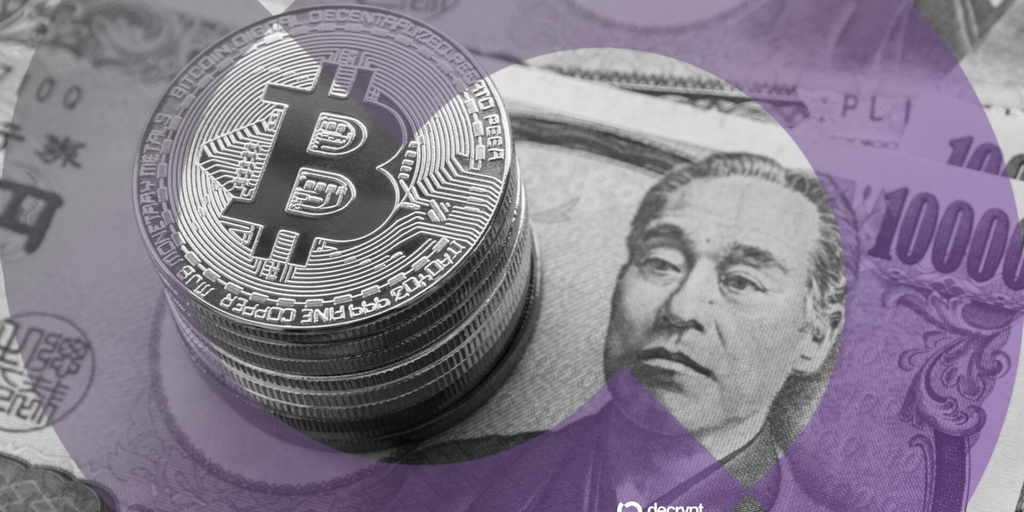
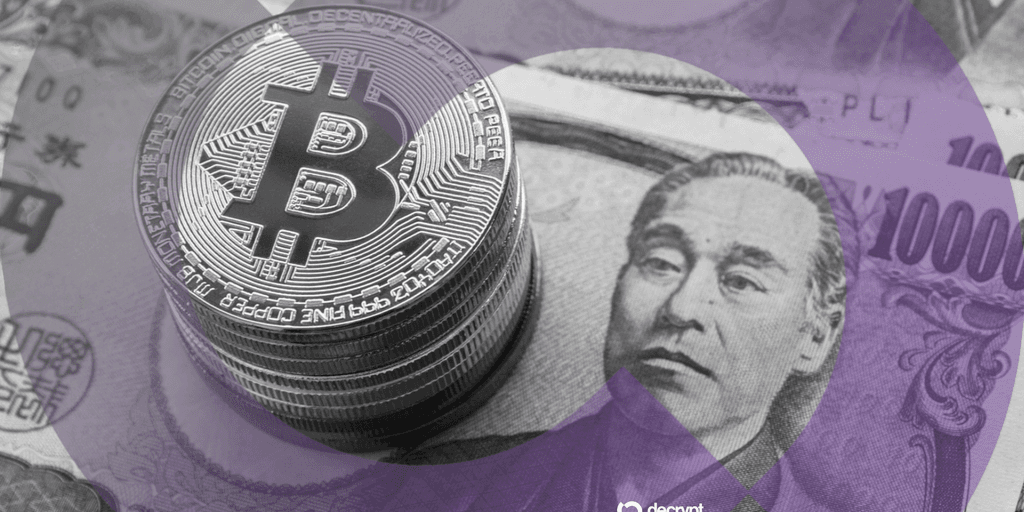
The recent decision by Japan's central bank to raise interest rates to a level not seen in three decades offers a unique opportunity to analyze the broader implications this move holds for the global economy and the cryptocurrency market. Historically, interest rate hikes have the potential to disrupt financial markets, including crypto assets, yet this time around, we are witnessing a surprisingly muted response from the digital asset space.
Market Context
The Bank of Japan (BoJ) announced this pivotal decision amid increasing inflationary pressures and a global tightening of monetary policy. Higher interest rates typically serve to cool off an overheating economy and curb inflation. However, the crypto market's tepid response can be attributed to several factors:
- Maturity of the Crypto Market: The cryptocurrency industry has reached a level of maturity where it is less sensitive to traditional financial metrics. Investors are now viewing crypto as a distinct asset class, one that can sometimes defy conventional market behaviors.
- Diversification of Investor Base: The demographic of crypto investors has also evolved. As institutional money flows into the space, these investors often have longer-term strategies that prioritize growth and innovation over short-term price volatility.
- Global Economic Landscape: An interest rate hike in Japan is just one of many factors in a complex global economic picture. While it may have once sent shockwaves through the market, the current interconnectedness and the various economic policies being enacted worldwide dampens its isolated impact.
Impact on Investors
For investors, the implications of Japan's rate hike are multifaceted. Here are some ways the market landscape may shift:
1. Risk Appetite
- Stabilizing Effect: The muted response to Japan's hike suggests that crypto investors may be demonstrating a stabilizing effect on their risk appetite, choosing to hold rather than sell in light of economic uncertainty.
- Long-term Growth Focus: Many investors are likely to focus on the long-term potential of blockchain technologies and cryptocurrencies rather than reacting impulsively to macroeconomic changes.
2. Global Diversification Strategies
- Increased Interest in Emerging Markets: As the global economic landscape shifts, investors may begin to look towards emerging markets for opportunities in crypto, seeking potential growth that could outpace developed markets.
- Shift in Asset Allocation: A rise in interest rates may prompt some investors to reevaluate their asset allocations, seeking safer havens in traditional assets while retaining a stake in crypto for potential high returns.
3. Interest Rate Implications
- Cryptocurrency Lending and Borrowing: Higher interest rates may impact the lending and borrowing practices within the crypto market, as the cost of capital increases. This could lead to a reevaluation of yield farming and DeFi products.
- Market Psychology: The psychological impact of rates rising—and the narrative that accompanies it—could sway retail investors who are less familiar with the broader economic implications.
Future Predictions
Looking ahead, several scenarios might unfold as a result of Japan's rate hike and the overall global economic context:
- Continued Market Resilience: Should crypto markets continue to show resilience to traditional economic turmoil, it may strengthen the argument for digital assets as a hedge against inflation and instability.
- Regulatory Responses: As central banks worldwide grapple with inflation, increased regulatory scrutiny may emerge, influencing market dynamics.
- Innovative Financial Products: The evolving landscape could drive innovation in financial products within the cryptocurrency sector, particularly in areas such as derivatives and stablecoins that can better withstand macroeconomic changes.
As we observe Japan’s latest move, it is clear that the intersection of traditional finance and the crypto space is becoming increasingly complex. Investors must remain vigilant and adaptable, leveraging a nuanced understanding of both market conditions and the unique characteristics of the crypto ecosystem. Understanding these dynamics will be essential for navigating the evolving financial landscape in the years to come.
Conclusion
While Japan’s interest rate hike is a significant economic event, the relative stability of the crypto market in response may signal a new phase of maturity and resilience. As we continue to monitor developments in both traditional and digital markets, investors should stay informed and prepared for the nuances of this evolving financial terrain.