 Go Back


Japan’s SBI and Rakuten Venture into Crypto Investment Trusts
The Japanese financial landscape is on the cusp of transformation as major players, SBI Holdings and Rakuten, embark on the development of in-house crypto investment trusts. This initiative follows the recent approval by Japan's cabinet of a bill aimed at reclassifying cryptocurrencies under the Financial Instruments and Exchange Act. This pivotal legislation signals a significant shift in Japan's approach to digital currencies and investment structures.
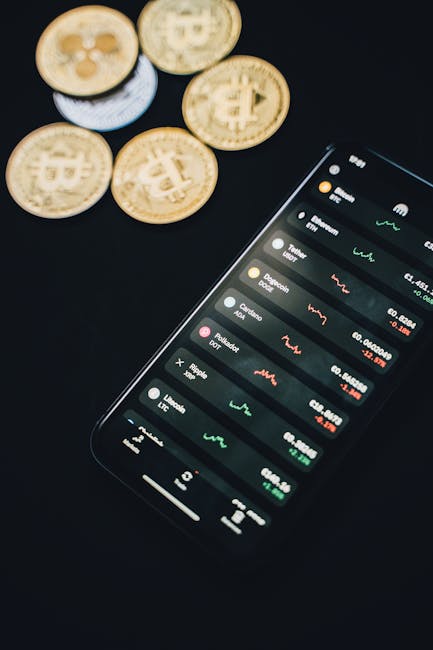
Quick Take
| Aspect | Details |
|---|---|
| Key Players | SBI Holdings, Rakuten |
| Legislative Change | Reclassification under Financial Instruments and Exchange Act |
| Market Implication | Increased institutional investment in crypto |
| Investor Impact | Broader access to crypto investments |
| Future Outlook | Potential growth in crypto adoption in Japan |
The Good, The Bad, and The Ugly of Japan’s Crypto Investment Trusts
As Japan moves forward with its crypto investment initiatives, it's essential to analyze the potential benefits, drawbacks, and challenges.
The Good
- Legitimization of Crypto Investments: The new legislation not only provides a framework for crypto but also helps in legitimizing digital assets in the eyes of institutional investors. This could lead to increased confidence in the market.
- Access to Retail Investors: By developing in-house investment trusts, SBI and Rakuten may open avenues for retail investors to participate in crypto markets in a regulated environment, potentially increasing mainstream adoption.
- Innovation in Financial Products: This initiative could spur the creation of novel financial products tailored to the crypto space, offering more variety and potentially attracting a broader investor base.
The Bad
- Regulatory Challenges: Although the recent legislation aims to provide clarity, regulatory hurdles remain. Uncertainty regarding compliance requirements could deter some investors or slow down the pace of adoption.
- Market Volatility: Cryptocurrencies are known for their volatility. Even with a structured investment vehicle, retail investors may still be exposed to significant risks, leading to potential losses.
- Limited Understanding of Crypto: Many traditional investors may still lack adequate knowledge about cryptocurrencies, which could hinder their participation despite the availability of new investment products.
The Ugly
- Potential for Fraud: As the market matures, there is always a risk of fraudulent schemes. Investors must be vigilant, especially in a market that is still relatively young and prone to manipulation.
- Technology Risks: Investment trusts will need to navigate technological challenges such as security, blockchain issues, and hacks. Any significant breach could undermine investor confidence.
- Market Saturation: With more players entering the space, there could be an oversaturation of crypto investment products, leading to competition that may dilute returns for all investors.
Market Context
The crypto landscape in Japan has evolved significantly over the past few years. Once seen as a haven for innovation, regulatory scrutiny has tightened, especially following the infamous Mt. Gox scandal. The Japanese government has since aimed to strike a balance between fostering innovation and ensuring investor protection.
With SBI and Rakuten's latest moves, Japan is positioning itself as a leader in the Asian crypto market. By enabling in-house crypto investment trusts, these companies are likely to attract a wave of institutional capital that has been hesitant due to regulatory uncertainties.
Moreover, the global macroeconomic environment, characterized by rising inflation and geopolitical tensions, may further incentivize investors to diversify their portfolios with cryptocurrencies, viewed by many as a hedge against economic instability.
Impact on Investors
For investors, the emergence of crypto investment trusts in Japan represents an opportunity to engage with cryptocurrencies in a structured manner. These trusts could offer:
- Diversification: By investing through trusts, investors can gain exposure to a diversified portfolio of digital assets without the need to manage individual cryptocurrencies.
- Professional Management: Trusts will typically be managed by experienced professionals who can navigate the complexities of the crypto market, potentially reducing risks associated with direct investments.
- Regulatory Oversight: The backing of the Financial Instruments and Exchange Act means that these trusts will be subject to oversight, offering an additional layer of security for investors.
As Japan embraces a more inclusive approach towards cryptocurrency, the developments by SBI and Rakuten could serve as a blueprint for other nations evaluating their own regulatory frameworks and investment products. Investors should remain informed and consider the evolving landscape when making investment decisions in the crypto space.
In summary, the steps being taken by Japanese financial giants not only reflect the changing tide in crypto regulation but also hold significant implications for the broader investor community as they navigate the multifaceted world of digital currencies.